

No products
Semi fiori ornamentali
-
Semi ortaggi
-
Summer vegetables seeds
- Garlic seeds
- Watermelon seeds
- Asparagus seeds
- Chili seeds
- Beet seeds
- Basil seeds
- Chard seeds
- Cabbage seeds
- Onion seeds
- Carrot seeds
- artichoke seeds
- Cucumber seeds
- Strawberry seeds
- Bean and green bean seeds
- Broad bean seeds
- Lettuce seeds
- Corn seed
- Eggplant seeds
- Melon seeds
- Okra seeds
- Tomato seeds
- Pea seeds
- Leek seeds
- Pepper seeds
- Radish seeds
- Arugula seeds
- Shallot seeds
- Celery seeds
- Spinach seeds
- Valerian seeds
- Pumpkin seeds
- Courgette seeds
-
Winter vegetables seeds
- broccoli seeds
- cauliflower seeds
- semi di cavolo
- fennel seeds
- Semi di lattuga
- chicory seeds
- Radicchio seeds
- Rocket seeds
- Chard and Beet Seeds
- Escarole Seeds
- Onion Seeds
- Basil Seeds
- Chard Seeds
- Artichoke Seeds
- Carrot Seeds
- Cucumber Seeds
- Bean Seeds
- Endive Seeds
- Leek Seeds
- Parsley Seeds
- Celery Seeds
- Spinach Seeds
- Valerian Seeds
-
Summer vegetables seeds
- Peperoncino secco
- Peperoncino in polvere
- Semi piante aromatiche
- Prati e tappeti erbosi
- Semi fiori ornamentali
- Encyclopedia vegetables
- Erbe aromatiche
- Enciclopedia dei pomodori
- Enciclopedia delle cipolle
- Enciclopedia delle melanzane
- Enciclopedia della lattuga
- Enciclopedia del cetriolo
- Enciclopedia delle zucchine
- Enciclopedia del cocomero
- Enciclopedia della carota
- Enciclopedia dell'asparago
- Enciclopedia del peperoncino
- Enciclopedia del carciofo
- Enciclopedia anguria
- Enciclopedia della barbabietola
- Enciclopedia del basilico
- Enciclopedia della bieta
- Enciclopedia del broccolo
- Enciclopedia del cavolfiore
- Enciclopedia del cavolo
- Enciclopedia della cicoria
- Enciclopedia del fagiolo e fagiolino
- Enciclopedia della fava
- Enciclopedia del finocchio
- Enciclopedia delle fragole
- Enciclopedia dell'indivia
- Enciclopedia del mais
- Enciclopedia dell'okra
- Enciclopedia del peperone
- Enciclopedia del pisello
- Enciclopedia del porro
- Enciclopedia del radicchio
- Enciclopedia del ravanello
- Enciclopedia della rucola
- Enciclopedia dello scalogno
- Enciclopedia del sedano
- Enciclopedia della scarola
- Enciclopedia dello spinacio
- Enciclopedia della valeriana
- Enciclopedia della zucca
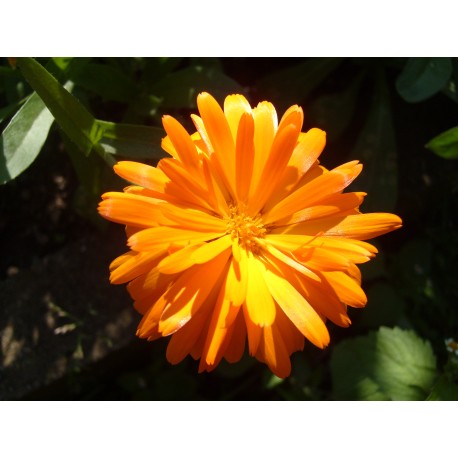 View larger
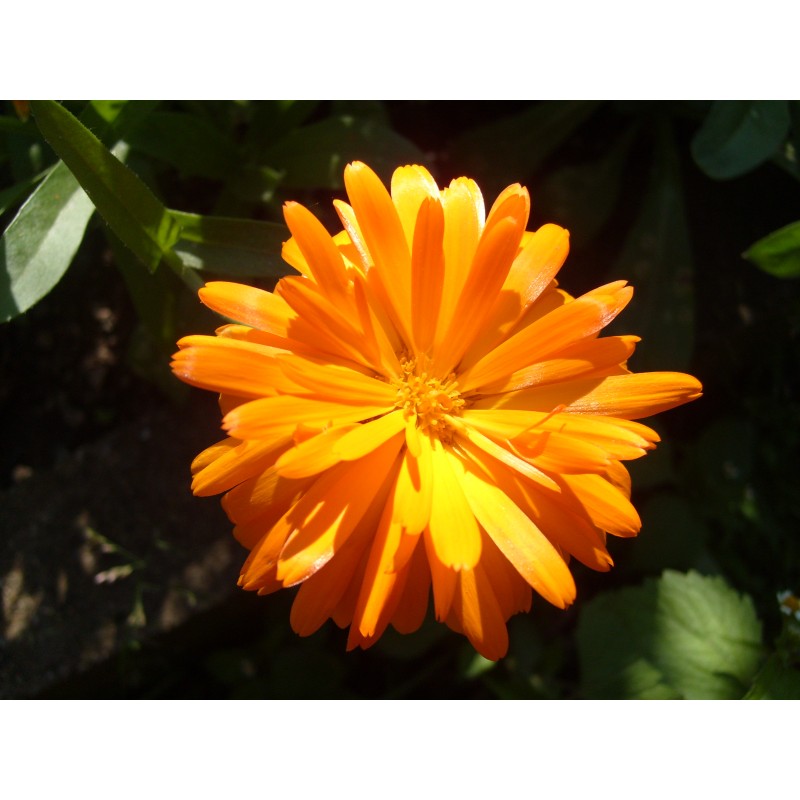
Calendula Seeds
New product
20 Items
More info
- Calendula Seeds
- The Calendula Plant
- How to Sow Calendula
- How to Grow Calendula
- Tips for Growing Calendula
- Diseases and Pests
- Uses and Curiosities
Calendula Seeds
Calendula (Calendula officinalis), also known as pot marigold, is an annual herbaceous plant of the Asteraceae family, native to the Mediterranean region. It is one of the easiest flowering plants to grow, thanks to excellent seed germination and fast growth, making it ideal even for beginner gardeners.
The Calendula Plant
It has a bushy habit, reaching 30 to 60 cm in height depending on the variety, with lance-shaped, slightly velvety leaves up to 15 cm long. The daisy-like flowers display yellow, orange or bicolor petals, often with a central disc of a matching shade. Numerous ornamental hybrids exist, differing in flower size, plant height and stem length, some suited for cut-flower use.
How to Sow Calendula
Sowing can be done at two times of year: March-April, once temperatures stay reliably above 15 degrees C, or late September-early October for earlier flowering the following spring. Seeds are usually broadcast or started in trays and lightly covered with soil; germination takes 7-14 days on average. Seedlings started in trays should be transplanted outdoors about a month after germination, once sturdy enough to handle.
How to Grow Calendula
It prefers sunny spots, though it tolerates partial shade at the cost of fewer flowers. It adapts to most soil types but grows best in rich, loose, slightly acidic, well-drained soil, with waterlogging carefully avoided. For lush, floriferous plants, space specimens at least 30 cm apart. Water regularly from spring through late summer, reducing frequency once plants mature, while feeding every 15-20 days with a potassium- and phosphorus-rich fertilizer encourages more abundant blooms, which continue from May until the first autumn frosts.
Tips for Growing Calendula
Regularly deadheading spent flowers and pinching the main growing tips encourages side shoots and therefore more blooms. In pots, choose a container with good drainage and a layer of expanded clay at the bottom. Calendula also tends to self-seed, ensuring plants return the following year without needing to sow again.
Diseases and Pests
A hardy plant, resistant to most pests. Powdery mildew can occasionally appear in conditions of poor air circulation or prolonged waterlogging; good drainage and adequate plant spacing help prevent it.
Uses and Curiosities
Besides its ornamental value, calendula is grown in vegetable gardens as a natural companion plant: its root system deters nematodes from cucumbers, squash and zucchini, while its flowers help protect tomatoes, eggplants, peppers, potatoes and strawberries. The petals are edible, great in salads or candied, and the buds can be pickled like capers. Dried flower heads have been used for centuries in herbalism for their soothing, healing and anti-inflammatory properties, a classic ingredient in skin creams and infusions.