

No products
Basil seeds
-
Semi ortaggi
-
Summer vegetables seeds
- Garlic seeds
- Watermelon seeds
- Asparagus seeds
- Chili seeds
- Beet seeds
- Basil seeds
- Chard seeds
- Cabbage seeds
- Onion seeds
- Carrot seeds
- artichoke seeds
- Cucumber seeds
- Strawberry seeds
- Bean and green bean seeds
- Broad bean seeds
- Lettuce seeds
- Corn seed
- Eggplant seeds
- Melon seeds
- Okra seeds
- Tomato seeds
- Pea seeds
- Leek seeds
- Pepper seeds
- Radish seeds
- Arugula seeds
- Shallot seeds
- Celery seeds
- Spinach seeds
- Valerian seeds
- Pumpkin seeds
- Courgette seeds
-
Winter vegetables seeds
- broccoli seeds
- cauliflower seeds
- semi di cavolo
- fennel seeds
- Semi di lattuga
- chicory seeds
- Radicchio seeds
- Rocket seeds
- Chard and Beet Seeds
- Escarole Seeds
- Onion Seeds
- Basil Seeds
- Chard Seeds
- Artichoke Seeds
- Carrot Seeds
- Cucumber Seeds
- Bean Seeds
- Endive Seeds
- Leek Seeds
- Parsley Seeds
- Celery Seeds
- Spinach Seeds
- Valerian Seeds
-
Summer vegetables seeds
- Peperoncino secco
- Peperoncino in polvere
- Semi piante aromatiche
- Prati e tappeti erbosi
- Semi fiori ornamentali
- Fertilizzanti
- Fertilizzante solido
- Spezie
- eBook
- Bulbi
- Starter kit / Micro orto
- Idea regalo / Bomboniere
- Patate e tuberi da semina
- Buoni regalo digitali
- TEST posizioni
 View larger
Lemon Basil Seeds
New product
[Ocimum × africanum var. citriodorum] Lemon basil seeds, an aromatic variety combining traditional basil with fresh citrus notes, perfect for fish dishes, salads and innovative culinary creations.
100 Items
More info
- Lemon Basil
- The Lemon Basil Plant
- How to Sow Lemon Basil
- How to Grow Lemon Basil
- Tips for Lemon Basil
- Diseases and Pests of Lemon Basil
- Uses and Curiosities of Lemon Basil
Lemon Basil
Lemon basil, scientifically known as Ocimum × africanum var. citriodorum, is an aromatic variety that combines traditional basil fragrance with a fresh and distinctive lemon note. Originating from India and Thailand, it is highly valued in Southeast Asian cuisine and increasingly popular in Italy, especially for fish dressings, innovative sauces and refreshing beverages. Its aroma is delicate and pleasantly citrusy, ideal for those seeking a basil with extra character.
The Lemon Basil Plant
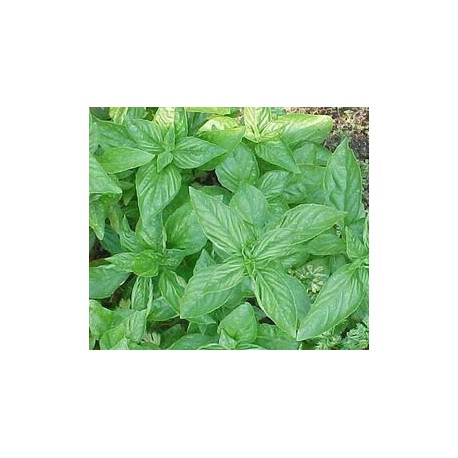
Ocimum × africanum var. citriodorum belongs to the Lamiaceae family. The plant is an annual herb with an upright habit, reaching 40-60 centimetres in height. The leaves are light green, narrow and lanceolate, slightly smaller than those of Genovese basil, with serrated margins and a delicately pubescent texture. The flowers, white or pale pink, develop along the terminal stems during summer, emitting an even more intense fragrance than the foliage.
How to Sow Lemon Basil
Sowing takes place from March to April in a protected seedbed, transplanting seedlings to the field from May onwards, once night temperatures stay steadily above 10°C. Unlike common basil, this variety is slightly more cold-resistant. Seeds should be covered with a thin layer of soil, keeping the substrate moist: germination occurs in about 7-14 days at a temperature of 20-25°C.
How to Grow Lemon Basil
Lemon basil prefers fresh, well-draining soil in a sunny or lightly shaded position. Watering should be regular and frequent, avoiding waterlogging which is harmful to the roots. It grows best with temperatures between 20-25°C, but tolerates lower temperatures than other basil varieties. Regular pinching encourages dense foliage development and extends the harvest period.
Tips for Lemon Basil
This variety remains more compact and productive if placed in full sun and if flowers are removed before they fully develop: this way, the plant's energy concentrates on leaf production. It should preferably be harvested before flowering, when the lemon aroma is most concentrated. Fresh leaves are ideal for immediate use, while they can be dried and stored in airtight jars for months.
Diseases and Pests of Lemon Basil
Like all basil varieties, lemon basil can suffer from downy mildew in conditions of high humidity and poor ventilation. Aphids, slugs and spider mites are the most common pests. Good airflow around the crop, watering at the base to avoid wetting the foliage, and moderate fertilisation keep the plant vigorous and less susceptible to attack.
Uses and Curiosities of Lemon Basil
Lemon basil is perfect for seasoning fish dishes, for preparing fresh summer salads, for flavouring risottos and iced beverages, or for making a pesto with its distinctive light green colour and unique citrus flavour. It contains limonene and citral, compounds that make it useful in phytotherapy for promoting digestion and freshening breath. Its versatility makes it appreciated by both cooks and gardeners for its ornamental value and intense fragrance.