

No products
Categories
-
Semi ortaggi
-
Summer vegetables seeds
- Garlic seeds
- Watermelon seeds
- Asparagus seeds
- Chili seeds
- Beet seeds
- Basil seeds
- Chard seeds
- Cabbage seeds
- Onion seeds
- Carrot seeds
- artichoke seeds
- Cucumber seeds
- Strawberry seeds
- Bean and green bean seeds
- Broad bean seeds
- Lettuce seeds
- Corn seed
- Eggplant seeds
- Melon seeds
- Okra seeds
- Tomato seeds
- Pea seeds
- Leek seeds
- Pepper seeds
- Radish seeds
- Arugula seeds
- Shallot seeds
- Celery seeds
- Spinach seeds
- Valerian seeds
- Pumpkin seeds
- Courgette seeds
-
Winter vegetables seeds
- broccoli seeds
- cauliflower seeds
- semi di cavolo
- fennel seeds
- Semi di lattuga
- chicory seeds
- Radicchio seeds
- Rocket seeds
- Chard and Beet Seeds
- Escarole Seeds
- Onion Seeds
- Basil Seeds
- Chard Seeds
- Artichoke Seeds
- Carrot Seeds
- Cucumber Seeds
- Bean Seeds
- Endive Seeds
- Leek Seeds
- Parsley Seeds
- Celery Seeds
- Spinach Seeds
- Valerian Seeds
-
Summer vegetables seeds
- Peperoncino secco
- Peperoncino in polvere
- Semi piante aromatiche
- Prati e tappeti erbosi
- Semi fiori ornamentali
- Fertilizzanti
- Fertilizzante solido
- Spezie
- eBook
- Bulbi
- Starter kit / Micro orto
- Idea regalo / Bomboniere
- Patate e tuberi da semina
- Buoni regalo digitali
- TEST posizioni
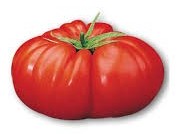
The beefsteak tomato is a very large tomato variety that can weigh up to 900 grams. Its name comes from its dense, juicy flesh, reminiscent of a slice of beef steak. The beefsteak tomato has an irregular, ribbed shape, a deep red colour and a sweet, aromatic flavour. It is prized for its taste and versatility in the kitchen: it works equally well eaten fresh or turned into sauces, ragùs and preserves.
Botanically known as Solanum lycopersicum, the beefsteak tomato plant belongs to the nightshade family and originates from Central and South America. It has a climbing, indeterminate growth habit and can reach up to 3 metres in height. The plant needs support, such as stakes or trellis netting, to bear the weight of the fruit and improve air circulation. The leaves are large, lobed and slightly hairy, while the flowers are yellow and grow in clusters. The fruits are very large, from 500 to 900 grams, with an irregular, ribbed shape. The skin is smooth and thin, while the flesh is firm, thick and juicy, with very few seeds.
Beefsteak tomatoes can be sown in two ways: direct sowing in the open ground or early sowing in seed trays. Direct sowing is done between March and April, once the soil has reached a temperature of at least 15°C. Furrows about 2 cm deep and 100 cm apart are traced. Seeds are scattered roughly 40 cm apart, covered with a fine layer of soil and lightly firmed down. Water generously and wait for germination, which takes around 10-15 days.
Early sowing in seed trays takes place between February and March, using trays or small pots filled with general-purpose or vegetable-specific compost. Place two or three seeds per cell or pot and cover with a thin layer of soil. Water gently with a spray bottle and cover the tray or pot with clear plastic or glass to retain moisture. Keep the seed tray in a bright spot away from direct sunlight, at a steady temperature of 18-24°C. Remove the cover once the seeds germinate, after about a week, and water regularly without overdoing it. Once the seedlings have developed at least two true leaves, they can be potted on into larger containers or transplanted directly into the ground.
A few key points to keep in mind when growing beefsteak tomatoes:
- Choose fertile, well-drained soil rich in organic matter. Feed the soil before sowing or transplanting with well-rotted manure or pelleted organic fertiliser.
- Pick a sunny spot sheltered from strong winds. Avoid damp areas or spots prone to waterlogging.
- Space plants at least 40 cm apart along the row and 100 cm between rows. If growing in pots, choose large containers (at least 25 cm in diameter) with drainage holes.
- Provide support for the climbing plants, such as stakes or wire trellises. Tie the plants to their supports as they grow, using soft garden twine or clips.
- Prune the plants by removing the side shoots that form between the main stem and the lateral branches. This encourages fruit development and helps prevent fungal diseases.
- Water regularly but not excessively, avoiding wetting the leaves and fruit. Watering is best done in the early morning or evening, when temperatures are cooler.
- Mulch the soil with straw, pine bark or black or coloured plastic sheeting. This helps retain soil moisture, keeps weeds down and protects the fruit from contact with the ground.
- Harvest the fruit when ripe but still firm, cutting it with scissors or a sharp knife. Avoid pulling it off the plant, which can damage it.
To get a good yield of beefsteak tomatoes, keep these tips in mind:
- Choose varieties suited to your local climate. Early, mid-season and late varieties exist, each with different ripening times. Rotate crops, meaning avoid growing tomatoes in the same soil for at least three years, to prevent soil depletion and the spread of disease and pests.
- Companion-plant tomatoes with basil, garlic, onion, carrot, lettuce, fennel and marigold, which support their growth and health. Avoid growing them near potatoes, peppers, aubergines, cabbage and beans.
- Protect the plants from late or early frosts with plastic sheeting or upturned terracotta pots. Shield the fruit from excessive sun with paper leaves or cardboard.
The beefsteak tomato is a fairly hardy plant, but it can be affected by a few diseases and pests:
- Downy mildew is a fungal disease that causes yellow spots on the leaves, which then turn brown and dry. The fruit may show dark, soft lesions. To prevent it, avoid wetting the leaves when watering, remove infected parts and treat the plants with copper- or sulphur-based products.
- Powdery mildew is another fungal disease that causes a whitish powder on leaves and fruit. To prevent it, ensure good air circulation between plants, avoid sudden temperature swings and treat with sulphur- or bicarbonate-based products.
- Root rot is caused by various fungi that attack the roots, causing the plant to wilt and eventually die. To prevent it, choose well-drained soil, avoid overwatering and feed the soil with calcium or magnesium.
- Whitefly is an insect that feeds on leaf sap, causing yellowing and leaf drop. It also produces honeydew, which encourages sooty mould, a black fungus that covers leaves and fruit. To prevent it, remove nearby weeds, use yellow or blue sticky traps and treat with pyrethrum- or neem oil-based products.
- Aphids are another insect that feeds on the sap of leaves and flowers, causing curling and deformation. They also transmit viruses that can harm fruit production. To prevent them, encourage beneficial insects such as ladybirds and lacewings, use yellow or blue sticky traps and treat with pyrethrum- or neem oil-based products.
- The tomato fruitworm is a moth larva that bores into the fruit, causing holes and irreversible damage. To prevent it, check the fruit regularly and manually remove larvae or infested fruit. Insect-proof netting or Bacillus thuringiensis-based products can also help.
The beefsteak tomato is rich in health benefits. These include:
- It's a source of vitamin C, a powerful antioxidant that protects cells from free radicals and boosts the immune system.
- It contains lycopene, another antioxidant that helps prevent premature skin ageing and reduces the risk of cardiovascular disease and certain cancers.
- It's rich in potassium, a mineral that helps regulate blood pressure and supports muscle and nerve function.
- It's low in calories (just 18 kcal per 100 grams) and made up of 94% water, making it hydrating, refreshing and filling.
- It has detoxifying, diuretic and mildly laxative properties, helping to flush out toxins, support kidney function and keep digestion regular.
| Energy | 18 kcal | |
| Protein | 0.9 g | |
| Fat | 0.2 g | |
| Carbohydrates | 3.9 g | |
| Fibre | 1.2 g | |
| Vitamin C | 14 mg | |
| Lycopene | 2573 mcg | |
| Potassium | 237 mg | |
| Sodium | 5 mg | |
| Iron | 0.3 mg | |
| Calcium | 10 mg | |
| Magnesium | 11 mg | |
| Phosphorus | 24 mg | |
| Zinc0.1 mg | ||
| Copper0.1 mg | ||
| Manganese | 0.1 mg | |
| Selenium | 0.4 mcg |