

No products
Melon seeds
-
Semi ortaggi
-
Summer vegetables seeds
- Garlic seeds
- Watermelon seeds
- Asparagus seeds
- Chili seeds
- Beet seeds
- Basil seeds
- Chard seeds
- Cabbage seeds
- Onion seeds
- Carrot seeds
- artichoke seeds
- Cucumber seeds
- Strawberry seeds
- Bean and green bean seeds
- Broad bean seeds
- Lettuce seeds
- Corn seed
- Eggplant seeds
- Melon seeds
- Okra seeds
- Tomato seeds
- Pea seeds
- Leek seeds
- Pepper seeds
- Radish seeds
- Arugula seeds
- Shallot seeds
- Celery seeds
- Spinach seeds
- Valerian seeds
- Pumpkin seeds
- Courgette seeds
-
Winter vegetables seeds
- broccoli seeds
- cauliflower seeds
- semi di cavolo
- fennel seeds
- Semi di lattuga
- chicory seeds
- Radicchio seeds
- Rocket seeds
- Chard and Beet Seeds
- Escarole Seeds
- Onion Seeds
- Basil Seeds
- Chard Seeds
- Artichoke Seeds
- Carrot Seeds
- Cucumber Seeds
- Bean Seeds
- Endive Seeds
- Leek Seeds
- Parsley Seeds
- Celery Seeds
- Spinach Seeds
- Valerian Seeds
-
Summer vegetables seeds
- Peperoncino secco
- Peperoncino in polvere
- Semi piante aromatiche
- Prati e tappeti erbosi
- Semi fiori ornamentali
- Fertilizzanti
- Fertilizzante solido
- Spezie
- eBook
- Bulbi
- Starter kit / Micro orto
- Idea regalo / Bomboniere
- Patate e tuberi da semina
- Buoni regalo digitali
- TEST posizioni
 View larger
Classic Melon Seeds
New product
[Cucumis melo var. cantalupensis] Classic netted melon seeds, the quintessential summer variety with sweet, fragrant orange flesh — reliable and easy to grow.
100 Items
More info
- Classic Melon
- The Classic Melon Plant
- How to Sow Classic Melon
- How to Grow Classic Melon
- Tips for Classic Melon
- Diseases and Pests of Classic Melon
- Uses and Curiosities of Classic Melon
- Properties of Classic Melon
- Nutritional Values of Classic Melon
Classic Melon
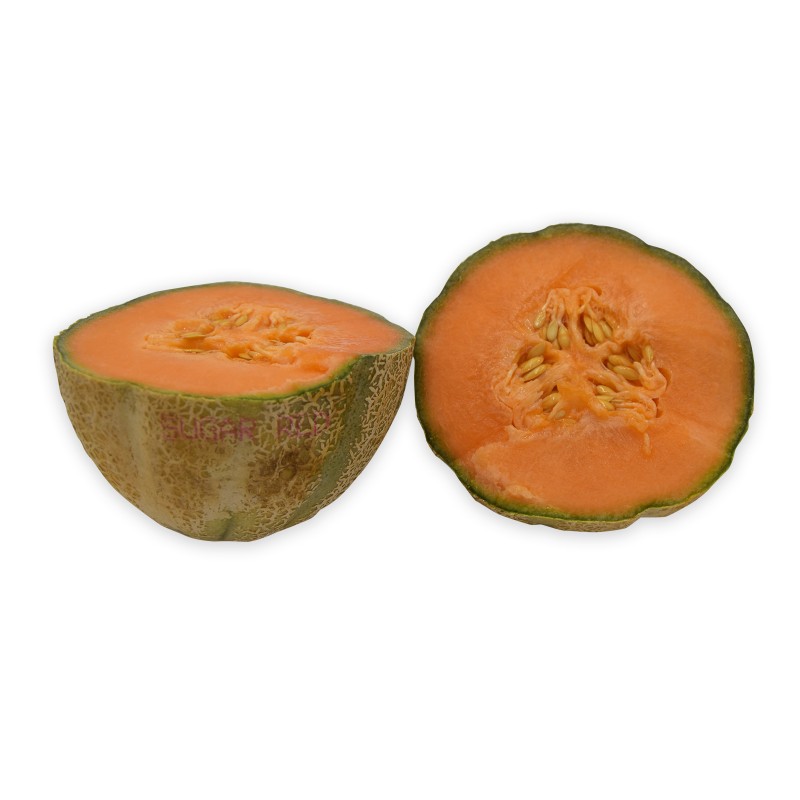
The classic melon is a netted variety of the cantalupensis type, considered the quintessential summer melon. Recognisable by its rounded or slightly flattened shape, it features a rough, well-marked netted skin, greyish-green in colour, and fragrant, juicy orange flesh. It is the most widespread and easy-to-grow melon type, particularly suitable even for beginner growers.
The Classic Melon Plant
Cucumis melo var. cantalupensis belongs to the Cucurbitaceae family. It is an annual herbaceous plant with hairy creeping stems and branched tendrils, capable of spreading considerably across the ground. The fruits have an average size of 1-2 kg, with well-marked ribs and skin characterised by the typical netted texture that gives the type its name. The flesh is intense orange, sweet and highly fragrant.
How to Sow Classic Melon
Sowing takes place from April to May, directly in the field once the soil reaches at least 18°C, or in a protected seedbed from March for later transplanting. Seeds should be buried about 2-3 centimetres deep. Germination occurs in 6-10 days at optimal temperatures of 25°C. Harvesting generally takes place 75-90 days after sowing.
How to Grow Classic Melon
Classic melon prefers fertile, loose, well-draining soil rich in organic matter, in a fully sunny position. It requires regular watering during vegetative growth, to be progressively reduced as ripening approaches to concentrate sugars in the flesh. Potassium-based fertilising promotes sweeter, higher-quality fruits.
Tips for Classic Melon
To stimulate the production of fruiting branches, it is useful to pinch the plant after the first three-four true leaves. Between two and four fruits can be left on the plant, depending on the vigour and fertility of the soil. The fruit is ready for harvest when it separates easily from the stem and gives off a sweet, intense fragrance.
Diseases and Pests of Classic Melon
Classic melon can be affected by powdery mildew and downy mildew in conditions of high humidity and poor ventilation, as well as by Fusarium root rot in inadequately rotated soils. Aphids and whiteflies are the most frequent pests, often vectors of viral diseases. Good crop rotation and adequate spacing between plants promote crop health.
Uses and Curiosities of Classic Melon
Classic melon is perfect eaten fresh in slices, perhaps paired with cured ham for a classic summer starter, or used in fruit salads, smoothies and sorbets. Its intense aroma also makes it a star ingredient in dessert recipes such as artisan ice cream and compotes. Long a symbol of the Mediterranean summer, it has been grown in Italy since Roman times.
Properties of Classic Melon
Composed of about 90% water, classic melon is a highly hydrating and refreshing fruit, ideal during the summer months. It is rich in beta-carotene and vitamin C, powerful natural antioxidants that support the immune system. Its good potassium content also contributes to electrolyte balance and cardiovascular health.
Nutritional Values of Classic Melon
Per 100 grams of flesh, classic melon provides about 34 kcal, 0.8 g protein, 8 g carbohydrates (of which sugars about 8 g), 0.2 g fat and 0.9 g fibre. It also contains good amounts of vitamin C (about 36 mg), vitamin A and potassium (about 267 mg), making it a light food rich in useful micronutrients.