

No products
Melon seeds
-
Semi ortaggi
-
Summer vegetables seeds
- Garlic seeds
- Watermelon seeds
- Asparagus seeds
- Chili seeds
- Beet seeds
- Basil seeds
- Chard seeds
- Cabbage seeds
- Onion seeds
- Carrot seeds
- artichoke seeds
- Cucumber seeds
- Strawberry seeds
- Bean and green bean seeds
- Broad bean seeds
- Lettuce seeds
- Corn seed
- Eggplant seeds
- Melon seeds
- Okra seeds
- Tomato seeds
- Pea seeds
- Leek seeds
- Pepper seeds
- Radish seeds
- Arugula seeds
- Shallot seeds
- Celery seeds
- Spinach seeds
- Valerian seeds
- Pumpkin seeds
- Courgette seeds
-
Winter vegetables seeds
- broccoli seeds
- cauliflower seeds
- semi di cavolo
- fennel seeds
- Semi di lattuga
- chicory seeds
- Radicchio seeds
- Rocket seeds
- Chard and Beet Seeds
- Escarole Seeds
- Onion Seeds
- Basil Seeds
- Chard Seeds
- Artichoke Seeds
- Carrot Seeds
- Cucumber Seeds
- Bean Seeds
- Endive Seeds
- Leek Seeds
- Parsley Seeds
- Celery Seeds
- Spinach Seeds
- Valerian Seeds
-
Summer vegetables seeds
- Peperoncino secco
- Peperoncino in polvere
- Semi piante aromatiche
- Prati e tappeti erbosi
- Semi fiori ornamentali
- Fertilizzanti
- Fertilizzante solido
- Spezie
- eBook
- Bulbi
- Starter kit / Micro orto
- Idea regalo / Bomboniere
- Patate e tuberi da semina
- Buoni regalo digitali
- TEST posizioni
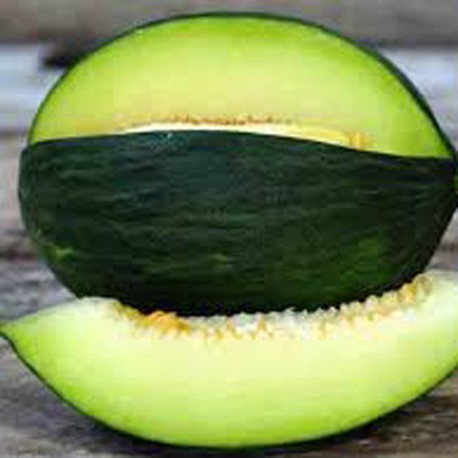 View larger
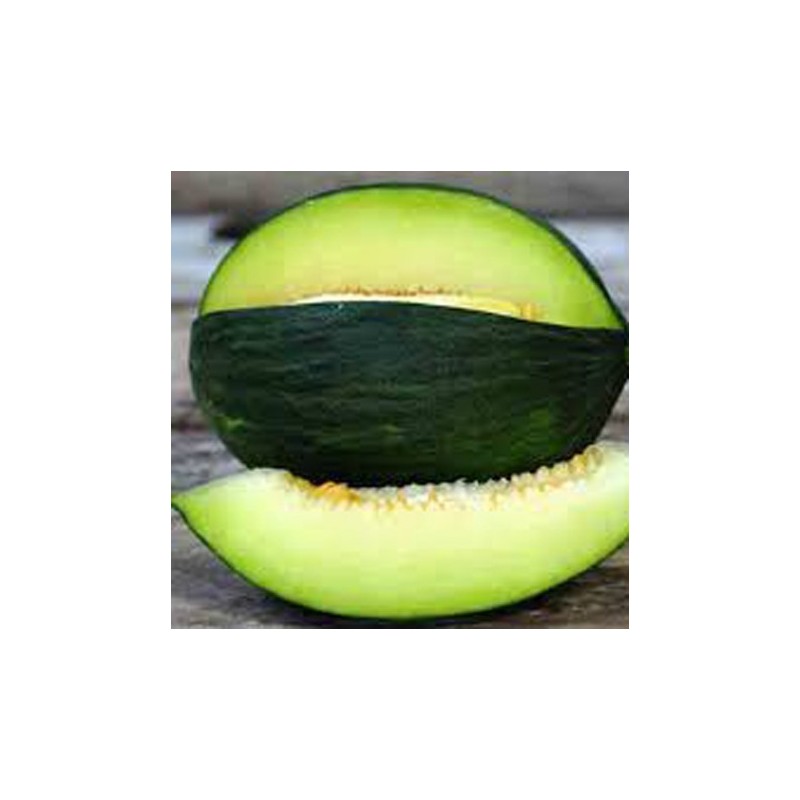
Green Winter Tendral Melon Seeds
New product
[Cucumis melo 'Tendral'] Winter melon seeds with dark green wrinkled skin and firm, sweet white flesh — exceptional shelf life, keeping for months after harvest.
99 Items
More info
- Green Winter Tendral Melon
- The Tendral Melon Plant
- How to Sow Tendral Melon
- How to Grow Tendral Melon
- Tips for Tendral Melon
- Diseases and Pests of Tendral Melon
- Uses and Curiosities of Tendral Melon
- Properties of Tendral Melon
- Nutritional Values of Tendral Melon
Green Winter Tendral Melon
The green winter Tendral melon belongs to the group of winter melons, characterised by a late growth cycle and exceptional post-harvest shelf life, which can extend for several months. The fruits have an elongated oval shape, medium-large size, with a wrinkled dark green skin and firm, very sweet white flesh.
The Tendral Melon Plant
Cucumis melo 'Tendral' belongs to the Cucurbitaceae family. It is an annual herbaceous plant with creeping stems and branched tendrils, of moderate but resilient vigour. The fruits generally weigh 2-3 kg, with a tough and very wrinkled skin that effectively protects the flesh during long storage. The white flesh is compact and long-lasting, with an intense flavour that develops progressively during storage.
How to Sow Tendral Melon
Sowing takes place from April to May, in a protected seedbed or directly in the field in warmer areas. Seeds should be buried about 2-3 centimetres deep. Germination occurs in 7-10 days at temperatures of 22-25°C. Being a medium-late cycle variety, harvesting generally takes place 90 days after sowing, towards the end of summer.
How to Grow Tendral Melon
Tendral melon prefers fertile, well-draining soil, in a sunny position. Watering should be regular during the vegetative phase, progressively decreasing towards ripening to promote sugar concentration and improve fruit storability. Thanks to its late cycle, this variety adapts well to regions with long, hot summers.
Tips for Tendral Melon
Harvesting should be done when the skin takes on a uniform dark green colour and the fruit feels heavy for its size. Unlike summer melons, Tendral should be stored in a cool, dry place, where it can keep for 2-3 months without losing its organoleptic qualities, actually developing an increasingly intense aroma during storage.
Diseases and Pests of Tendral Melon
Like other melon varieties, Tendral can be subject to powdery mildew and downy mildew in conditions of high humidity. However, the thick, tough skin provides natural protection against many pests and pathogens during storage. Aphids and whiteflies remain the main insects to monitor during field cultivation.
Uses and Curiosities of Tendral Melon
Thanks to its long shelf life, Tendral melon was traditionally consumed during the winter months, when other fresh fruit was scarce, hence the common name "winter melon". It is perfect eaten fresh in slices, but also lends itself to jams and compotes thanks to its compact, sweet flesh.
Properties of Tendral Melon
Tendral melon is composed of about 90% water, making it very hydrating despite being consumed mainly during the cooler months. It is a good source of vitamin C and potassium, an important mineral for electrolyte balance. The white flesh also contains fibre that promotes intestinal regularity.
Nutritional Values of Tendral Melon
Per 100 grams of flesh, Tendral melon provides about 33 kcal, 0.8 g protein, 7.8 g carbohydrates (of which sugars about 7.5 g), 0.2 g fat and 0.8 g fibre. It also contains fair amounts of vitamin C (about 15 mg) and potassium (about 250 mg), making it a light and nutritious fruit even in the colder months.