

No products
Melon seeds
-
Semi ortaggi
-
Summer vegetables seeds
- Garlic seeds
- Watermelon seeds
- Asparagus seeds
- Chili seeds
- Beet seeds
- Basil seeds
- Chard seeds
- Cabbage seeds
- Onion seeds
- Carrot seeds
- artichoke seeds
- Cucumber seeds
- Strawberry seeds
- Bean and green bean seeds
- Broad bean seeds
- Lettuce seeds
- Corn seed
- Eggplant seeds
- Melon seeds
- Okra seeds
- Tomato seeds
- Pea seeds
- Leek seeds
- Pepper seeds
- Radish seeds
- Arugula seeds
- Shallot seeds
- Celery seeds
- Spinach seeds
- Valerian seeds
- Pumpkin seeds
- Courgette seeds
-
Winter vegetables seeds
- broccoli seeds
- cauliflower seeds
- semi di cavolo
- fennel seeds
- Semi di lattuga
- chicory seeds
- Radicchio seeds
- Rocket seeds
- Chard and Beet Seeds
- Escarole Seeds
- Onion Seeds
- Basil Seeds
- Chard Seeds
- Artichoke Seeds
- Carrot Seeds
- Cucumber Seeds
- Bean Seeds
- Endive Seeds
- Leek Seeds
- Parsley Seeds
- Celery Seeds
- Spinach Seeds
- Valerian Seeds
-
Summer vegetables seeds
- Peperoncino secco
- Peperoncino in polvere
- Semi piante aromatiche
- Prati e tappeti erbosi
- Semi fiori ornamentali
- Fertilizzanti
- Fertilizzante solido
- Spezie
- eBook
- Bulbi
- Starter kit / Micro orto
- Idea regalo / Bomboniere
- Patate e tuberi da semina
- Buoni regalo digitali
- TEST posizioni
 View larger
Yellow Winter Zecchino Melon Seeds
New product
[Cucumis melo 'Zecchino'] Winter melon seeds with golden-yellow skin and firm, very sweet flesh with a minimal internal cavity — maximum edible yield.
100 Items
More info
- Yellow Winter Zecchino Melon
- The Zecchino Melon Plant
- How to Sow Zecchino Melon
- How to Grow Zecchino Melon
- Tips for Zecchino Melon
- Diseases and Pests of Zecchino Melon
- Uses and Curiosities of Zecchino Melon
- Properties of Zecchino Melon
- Nutritional Values of Zecchino Melon
Yellow Winter Zecchino Melon
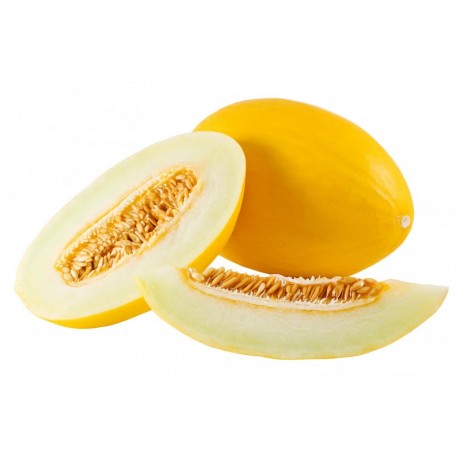
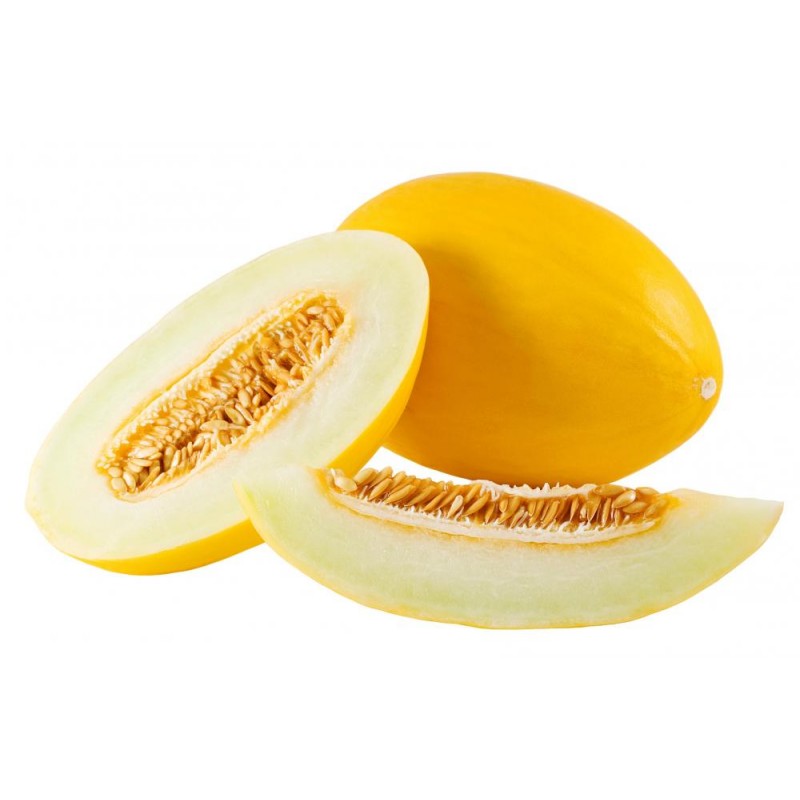
The yellow winter Zecchino melon is a winter melon variety with an elongated oval shape and medium-large size. It stands out for its smooth golden-yellow skin, which gives it the name "zecchino" due to its evident colour resemblance to the ancient gold coin. The flesh, firm and very sugary, has an extremely small internal cavity, meaning a greater amount of edible flesh compared to other varieties.
The Zecchino Melon Plant
Cucumis melo 'Zecchino' belongs to the Cucurbitaceae family. It is an annual herbaceous plant with creeping stems and branched tendrils, of medium-high vigour. The fruits generally weigh 2-2.5 kg, with smooth skin free of marked ribbing and a uniform bright yellow colour. The white-cream flesh is particularly compact, with a reduced placental cavity that maximises the fruit's edible yield.
How to Sow Zecchino Melon
Sowing takes place from April to May, in a protected seedbed or directly in the field in warmer regions. Seeds should be buried about 2-3 centimetres deep. Germination occurs in 7-10 days at temperatures of 22-25°C. Being a late cycle variety, harvesting generally takes place 90-100 days after sowing.
How to Grow Zecchino Melon
Zecchino melon prefers fertile, loose, well-draining soil, in a sunny position. Watering should be regular during vegetative growth, decreasing towards ripening to promote sugar concentration. Its good soil resilience makes this variety suitable even for prolonged cultivation on the same plot with appropriate rotation.
Tips for Zecchino Melon
Harvesting should be done when the skin reaches an intense, uniform golden-yellow colour across the entire fruit surface. Unlike summer melons, Zecchino keeps well for several weeks in a cool, dry environment, maintaining its organoleptic qualities unchanged. To maintain good fruit size, it is recommended not to leave too many fruits on the same plant.
Diseases and Pests of Zecchino Melon
Like other melon varieties, Zecchino can be subject to powdery mildew and downy mildew in conditions of high humidity and poor ventilation. Aphids and whiteflies are the most common pests, often vectors of viral diseases. Good crop rotation and proper irrigation management significantly reduce the risk of fungal diseases.
Uses and Curiosities of Zecchino Melon
Thanks to its sweet, firm flesh, Zecchino melon is perfect eaten fresh in slices, both as a dessert and as a starter paired with cured ham. Its reduced internal cavity makes it particularly advantageous for those seeking to maximise the amount of edible flesh compared to waste.
Properties of Zecchino Melon
Zecchino melon is composed of about 90% water, making it very hydrating and refreshing. It is rich in vitamin C and potassium, minerals and vitamins essential for the body's wellbeing. Its sugary flesh provides quickly absorbable energy, ideal as a snack during the warmer months.
Nutritional Values of Zecchino Melon
Per 100 grams of flesh, Zecchino melon provides about 35 kcal, 0.8 g protein, 8.2 g carbohydrates (of which sugars about 8 g), 0.2 g fat and 0.8 g fibre. It also contains good amounts of vitamin C (about 20 mg) and potassium (about 260 mg), making it a nutritious and light fruit.