

No products
Semi fiori ornamentali
-
Semi ortaggi
-
Summer vegetables seeds
- Garlic seeds
- Watermelon seeds
- Asparagus seeds
- Chili seeds
- Beet seeds
- Basil seeds
- Chard seeds
- Cabbage seeds
- Onion seeds
- Carrot seeds
- artichoke seeds
- Cucumber seeds
- Strawberry seeds
- Bean and green bean seeds
- Broad bean seeds
- Lettuce seeds
- Corn seed
- Eggplant seeds
- Melon seeds
- Okra seeds
- Tomato seeds
- Pea seeds
- Leek seeds
- Pepper seeds
- Radish seeds
- Arugula seeds
- Shallot seeds
- Celery seeds
- Spinach seeds
- Valerian seeds
- Pumpkin seeds
- Courgette seeds
-
Winter vegetables seeds
- broccoli seeds
- cauliflower seeds
- semi di cavolo
- fennel seeds
- Semi di lattuga
- chicory seeds
- Radicchio seeds
- Rocket seeds
- Chard and Beet Seeds
- Escarole Seeds
- Onion Seeds
- Basil Seeds
- Chard Seeds
- Artichoke Seeds
- Carrot Seeds
- Cucumber Seeds
- Bean Seeds
- Endive Seeds
- Leek Seeds
- Parsley Seeds
- Celery Seeds
- Spinach Seeds
- Valerian Seeds
-
Summer vegetables seeds
- Peperoncino secco
- Peperoncino in polvere
- Semi piante aromatiche
- Prati e tappeti erbosi
- Semi fiori ornamentali
- Fertilizzanti
- Fertilizzante solido
- Spezie
- eBook
- Bulbi
- Starter kit / Micro orto
- Idea regalo / Bomboniere
- Patate e tuberi da semina
- Buoni regalo digitali
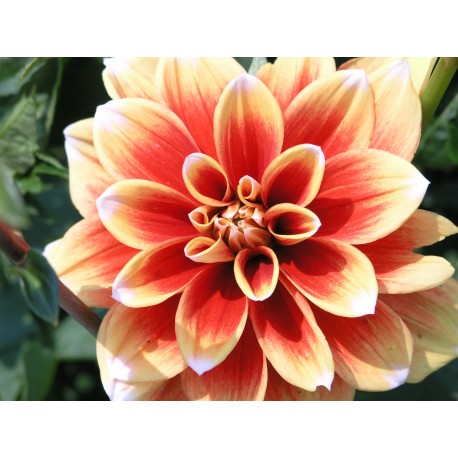 View larger
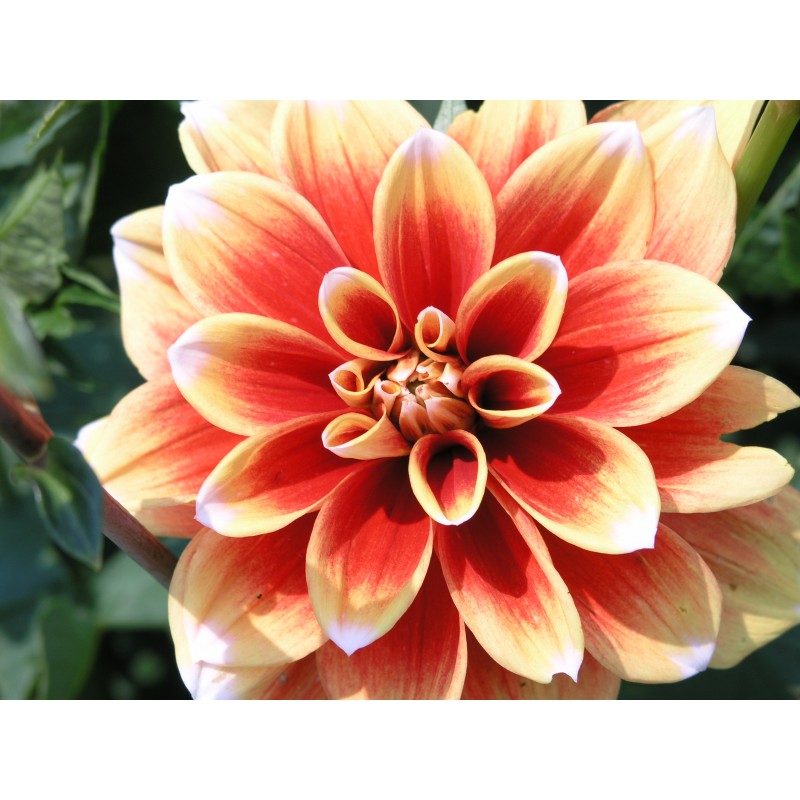
Dahlia Seeds
New product
[Dahlia pinnata] The dahlia, native to Mexico and cultivated since Aztec times, is one of the most popular ornamental plants thanks to its long, abundant summer-to-autumn bloom.
20 Items
More info
- Dahlia Seeds
- The Dahlia Plant
- How to Sow Dahlias
- How to Grow Dahlias
- Tips for Growing Dahlias
- Pests and Diseases
- Uses and Curiosities
Dahlia Seeds
The dahlia (Dahlia pinnata) is native to the highlands of Mexico, cultivated by the Aztecs before the discovery of America. It belongs to the Asteraceae family, the same as the daisy, and is today one of the most widespread ornamental plants worldwide thanks to its showy, colourful flowers.
The Dahlia Plant
It has an upright stem reaching 70-120 cm in height, with ovate leaves of intense green colour. The flowers, single in seed-grown varieties, are 6-10 cm across and range from pink to red, yellow to orange.
The name comes from the Swedish botanist Anders Dahl, a student of Linnaeus.
How to Sow Dahlias
Sow in seed trays between March and April, transplanting outdoors in mid-May once the risk of frost has passed, at a depth of about 1 cm.
How to Grow Dahlias
Dahlias prefer full sun and a loose, cool, well-fertilised soil. Space plants 30-40 cm apart for dwarf varieties, up to 80-120 cm for taller ones.
During flowering, from July to autumn, liquid fertiliser and regular, abundant watering are recommended.
Tips for Growing Dahlias
Single-flowered dahlias, with flat, open petals, are particularly good at attracting bees and pollinators. Disbudding is recommended to encourage larger blooms.
Pests and Diseases
Dahlias can be affected by leafhoppers and plant bugs, which cause whitish spots on leaves, and by viral diseases such as mosaic virus, which alters leaf colour. Good crop rotation and pest control help prevent major damage.
Uses and Curiosities
Besides ornamental use in gardens and terraces, dahlias are also grown as cut flowers thanks to their long vase life. The Aztecs used to eat the tubers as food.
- Sowing: March-April (seed trays), transplant mid-May
- Exposure: full sun
- Flowering: July-autumn
- Height: 30 cm - 120 cm depending on variety
- Soil: loose, cool, well-fertilised
- Watering: abundant and regular
- Suggested use: flower beds, pots, cut flower