

No products
Semi fiori ornamentali
-
Semi ortaggi
-
Summer vegetables seeds
- Garlic seeds
- Watermelon seeds
- Asparagus seeds
- Chili seeds
- Beet seeds
- Basil seeds
- Chard seeds
- Cabbage seeds
- Onion seeds
- Carrot seeds
- artichoke seeds
- Cucumber seeds
- Strawberry seeds
- Bean and green bean seeds
- Broad bean seeds
- Lettuce seeds
- Corn seed
- Eggplant seeds
- Melon seeds
- Okra seeds
- Tomato seeds
- Pea seeds
- Leek seeds
- Pepper seeds
- Radish seeds
- Arugula seeds
- Shallot seeds
- Celery seeds
- Spinach seeds
- Valerian seeds
- Pumpkin seeds
- Courgette seeds
-
Winter vegetables seeds
- broccoli seeds
- cauliflower seeds
- semi di cavolo
- fennel seeds
- Semi di lattuga
- chicory seeds
- Radicchio seeds
- Rocket seeds
- Chard and Beet Seeds
- Escarole Seeds
- Onion Seeds
- Basil Seeds
- Chard Seeds
- Artichoke Seeds
- Carrot Seeds
- Cucumber Seeds
- Bean Seeds
- Endive Seeds
- Leek Seeds
- Parsley Seeds
- Celery Seeds
- Spinach Seeds
- Valerian Seeds
-
Summer vegetables seeds
- Peperoncino secco
- Peperoncino in polvere
- Semi piante aromatiche
- Prati e tappeti erbosi
- Semi fiori ornamentali
- Fertilizzanti
- Fertilizzante solido
- Spezie
- eBook
- Bulbi
- Starter kit / Micro orto
- Idea regalo / Bomboniere
- Patate e tuberi da semina
- Buoni regalo digitali
- TEST posizioni
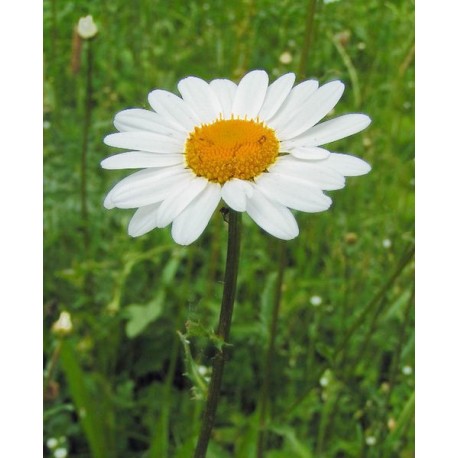 View larger
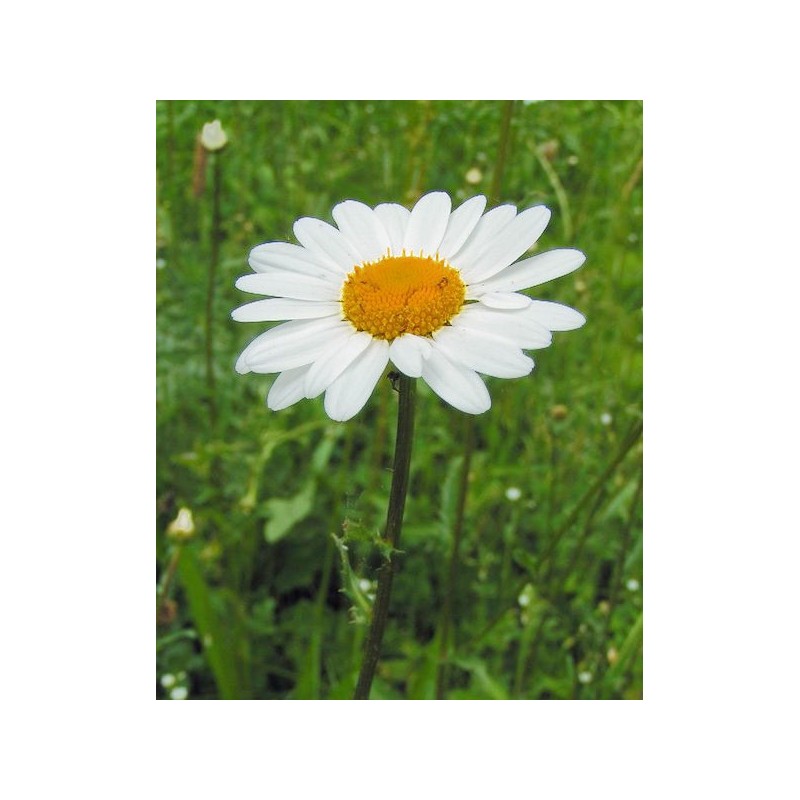
Oxeye Daisy Seeds
New product
[Leucanthemum vulgare] Common oxeye daisy, hardy perennial with large white flowers and a golden yellow heart, easy to grow in gardens, borders and bouquets.
20 Items
More info
- Oxeye Daisy Seeds
- The Oxeye Daisy Plant
- How to Sow Oxeye Daisy
- How to Grow Oxeye Daisy
- Growing Tips
- Diseases and Pests
- Uses and Curiosities
Oxeye Daisy Seeds
The Oxeye Daisy (Leucanthemum vulgare) is a perennial herbaceous plant of the Asteraceae family, widespread across Europe and found in every Italian region. Its scientific name comes from the Greek leukos (white) and anthemon (flower), referring to its bright white petals surrounding a golden yellow heart.
The Oxeye Daisy Plant
It is a rhizomatous plant forming rosettes of basal leaves, with simple or lightly branched stems that can reach up to 70 cm in height. The flower heads have white outer ray florets and yellow tubular disc florets at the centre, a pattern that has made it one of the most recognisable and beloved flowers in the world.
It blooms abundantly from May to September, forming a dense cluster of stems buzzing with pollinating insects.
How to Sow Oxeye Daisy
Sow in February-March in a protected seed tray, or directly outdoors in spring once the risk of frost has passed. Seeds should be barely covered in a light, well-drained substrate, kept moist until germination.
It is an almost foolproof plant: once established, it tends to spread on its own through self-seeding in sunny borders.
How to Grow Oxeye Daisy
It prefers full sun but also tolerates light shade well. It adapts to different soil types as long as drainage is good: in open ground it generally thrives on rainfall alone, while in pots it needs regular watering while avoiding waterlogging.
Deadheading spent flowers extends the blooming period and keeps the plant compact and tidy.
Growing Tips
In pots, always ensure a good drainage layer at the bottom to prevent waterlogging. It is a hardy plant, cold-resistant down to -20°C, making it suitable even for gardens in colder climates. Dividing the clumps every 2-3 years helps keep the plants vigorous.
Diseases and Pests
Oxeye Daisy is prone to fungal diseases linked to waterlogging, particularly root rot and powdery mildew, which coats the leaves with a whitish powder. Among pests, aphids are the most common and can be controlled effectively with organic products or natural soft-soap solutions.
Uses and Curiosities
Besides its ornamental use in gardens and bouquets, Oxeye Daisy flowers are traditionally used in herbal infusions to soothe coughs and intestinal cramps. Its symbolic use dates back to ancient times: it already appears in decorations on Egyptian vases, and a Celtic folk custom gave rise to the well-known "he loves me, he loves me not" game, plucking petals one by one to predict the outcome of a future event.