

No products
Semi fiori ornamentali
-
Semi ortaggi
-
Summer vegetables seeds
- Garlic seeds
- Watermelon seeds
- Asparagus seeds
- Chili seeds
- Beet seeds
- Basil seeds
- Chard seeds
- Cabbage seeds
- Onion seeds
- Carrot seeds
- artichoke seeds
- Cucumber seeds
- Strawberry seeds
- Bean and green bean seeds
- Broad bean seeds
- Lettuce seeds
- Corn seed
- Eggplant seeds
- Melon seeds
- Okra seeds
- Tomato seeds
- Pea seeds
- Leek seeds
- Pepper seeds
- Radish seeds
- Arugula seeds
- Shallot seeds
- Celery seeds
- Spinach seeds
- Valerian seeds
- Pumpkin seeds
- Courgette seeds
-
Winter vegetables seeds
- broccoli seeds
- cauliflower seeds
- semi di cavolo
- fennel seeds
- Semi di lattuga
- chicory seeds
- Radicchio seeds
- Rocket seeds
- Chard and Beet Seeds
- Escarole Seeds
- Onion Seeds
- Basil Seeds
- Chard Seeds
- Artichoke Seeds
- Carrot Seeds
- Cucumber Seeds
- Bean Seeds
- Endive Seeds
- Leek Seeds
- Parsley Seeds
- Celery Seeds
- Spinach Seeds
- Valerian Seeds
-
Summer vegetables seeds
- Peperoncino secco
- Peperoncino in polvere
- Semi piante aromatiche
- Prati e tappeti erbosi
- Semi fiori ornamentali
- Fertilizzanti
- Fertilizzante solido
- Spezie
- eBook
- Bulbi
- Starter kit / Micro orto
- Idea regalo / Bomboniere
- Patate e tuberi da semina
- Buoni regalo digitali
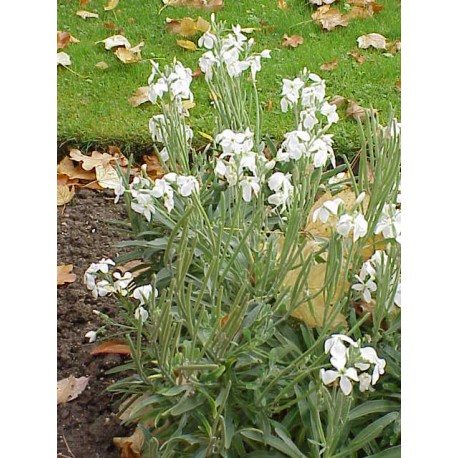 View larger
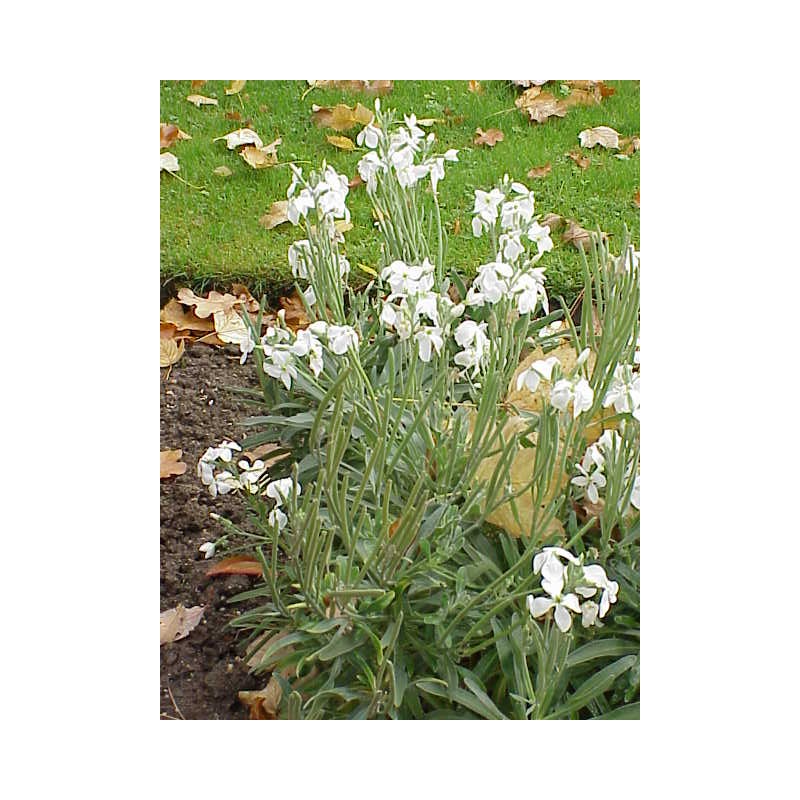
Wallflower Seeds
New product
[Matthiola incana] Wallflower or common stock, Mediterranean ornamental plant with highly fragrant flower spikes, ideal for borders, flower beds and dry stone walls.
20 Items
More info
- Wallflower Seeds
- The Wallflower Plant
- How to Sow Wallflower
- How to Grow Wallflower
- Growing Tips
- Diseases and Pests
- Uses and Curiosities
Wallflower Seeds
The Wallflower (Matthiola incana), also known as common stock or hoary stock, is an ornamental plant native to the Mediterranean coastal regions, now widespread in European gardens. It is especially prized for its intensely fragrant flower spikes, blooming in a range of colours from white to pink, red to purple.
The Wallflower Plant
It belongs to the Brassicaceae family. It has upright stems, sometimes slightly woody at the base, reaching about 60 cm in height, with lance-shaped dark green leaves grouped in decorative tufts. The stems end in simple or double flower spikes, highly fragrant.
It is generally grown as a biennial, though in nature it behaves as a short-lived perennial: it tends to bloom abundantly for one or two seasons.
How to Sow Wallflower
Sowing can be done in February-March in a protected seed tray, keeping young seedlings sheltered until the risk of night frost has passed, or directly outdoors between March and April, or during autumn. Plants sown in autumn will bloom the following spring.
It is an easy plant to start: once settled in the garden, it often self-seeds spontaneously.
How to Grow Wallflower
It prefers full sun or partial light, with well-drained soil and a neutral to slightly alkaline pH. It is cold-hardy but does not like extreme heat or excessive humidity, so watering should stay consistent without overdoing it.
The highly fragrant bloom runs from April to August depending on the variety and sowing time. Removing spent flowers encourages new blooms and extends the display.
Growing Tips
It is ideal for borders, flower beds and dry stone walls, where it also works well as ground cover. In pots, ensure good drainage at the bottom. A balanced fertiliser during the growing season improves the quality and abundance of the flowers.
Diseases and Pests
Wallflower is generally resistant to diseases and pests, but can occasionally be attacked by aphids that damage the flower spikes: these can be controlled well with specific products or natural remedies such as garlic decoction. Avoid waterlogging to prevent root rot.
Uses and Curiosities
Besides its ornamental use, Wallflower blooms are used in floral arrangements and bouquets for their colour and intense fragrance, and some varieties are even grown for the perfume industry. The plant also plays an important ecological role, attracting bees and butterflies and contributing to garden biodiversity.