

No products
Semi fiori ornamentali
-
Semi ortaggi
-
Summer vegetables seeds
- Garlic seeds
- Watermelon seeds
- Asparagus seeds
- Chili seeds
- Beet seeds
- Basil seeds
- Chard seeds
- Cabbage seeds
- Onion seeds
- Carrot seeds
- artichoke seeds
- Cucumber seeds
- Strawberry seeds
- Bean and green bean seeds
- Broad bean seeds
- Lettuce seeds
- Corn seed
- Eggplant seeds
- Melon seeds
- Okra seeds
- Tomato seeds
- Pea seeds
- Leek seeds
- Pepper seeds
- Radish seeds
- Arugula seeds
- Shallot seeds
- Celery seeds
- Spinach seeds
- Valerian seeds
- Pumpkin seeds
- Courgette seeds
-
Winter vegetables seeds
- broccoli seeds
- cauliflower seeds
- semi di cavolo
- fennel seeds
- Semi di lattuga
- chicory seeds
- Radicchio seeds
- Rocket seeds
- Chard and Beet Seeds
- Escarole Seeds
- Onion Seeds
- Basil Seeds
- Chard Seeds
- Artichoke Seeds
- Carrot Seeds
- Cucumber Seeds
- Bean Seeds
- Endive Seeds
- Leek Seeds
- Parsley Seeds
- Celery Seeds
- Spinach Seeds
- Valerian Seeds
-
Summer vegetables seeds
- Peperoncino secco
- Peperoncino in polvere
- Semi piante aromatiche
- Prati e tappeti erbosi
- Semi fiori ornamentali
- Fertilizzanti
- Fertilizzante solido
- Spezie
- eBook
- Bulbi
- Starter kit / Micro orto
- Idea regalo / Bomboniere
- Patate e tuberi da semina
- Buoni regalo digitali
- TEST posizioni
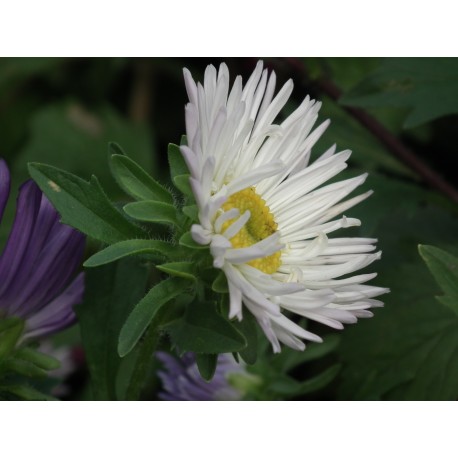 View larger
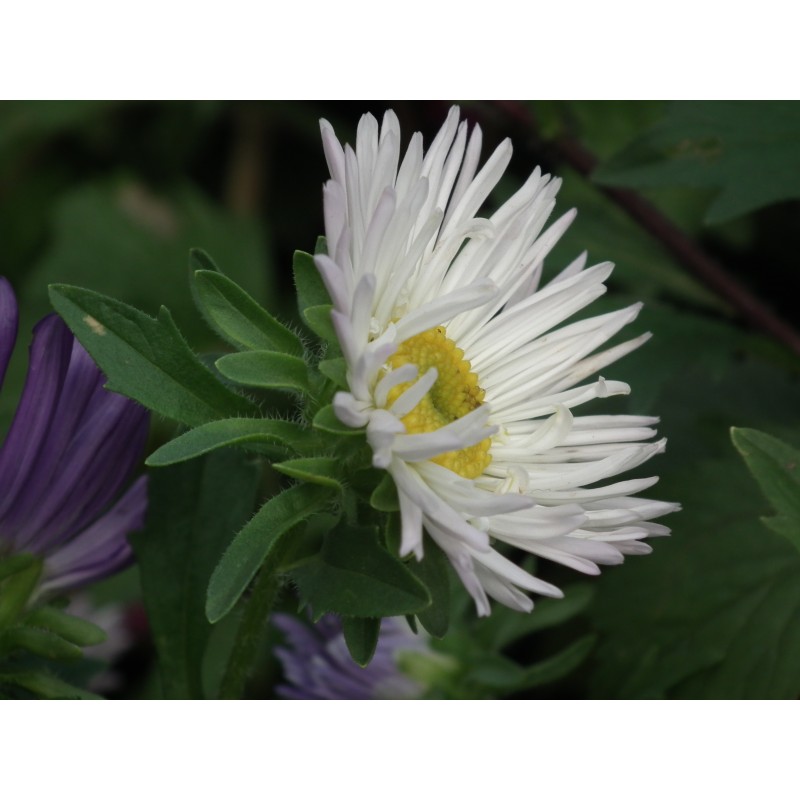
China Aster Seeds
New product
20 Items
More info
- China Aster Seeds
- The China Aster Plant
- How to Sow China Aster
- How to Grow China Aster
- Tips for Growing China Aster
- China Aster Diseases and Pests
- Uses and Curiosities of China Aster
China Aster Seeds
The China Aster (Callistephus chinensis) is an annual plant native to China and Korea, prized for its large flowers resembling double daisies or chrysanthemums. It blooms from late summer until the first frosts, offering a rich palette of colours from white to pink, blue to purple, and red.
The China Aster Plant
It belongs to the Asteraceae family, the same as daisies and chrysanthemums, and is characterised by an upright, branching stem, 30 to 90 cm tall depending on the variety. The flowers, up to 12 cm wide, can be single, semi-double or double, with thin petals radiating around a yellow centre.
Many varieties have been selected over time, differing in plant size and flower shape, some with curled petals resembling anemones or ostrich plumes.
How to Sow China Aster
Sow in a protected seedbed from February to April, or directly outdoors from April to May, scattering the seeds on the surface and barely covering them. They germinate easily in about 2 weeks at temperatures between 15 and 18 degrees.
How to Grow China Aster
It prefers fertile, cool, well-drained soil, in full sun or partial shade with at least two hours of direct sunlight a day. Space seedlings about 40 cm apart to ensure good air circulation.
Watering should be regular during summer, letting the soil dry for a couple of days between waterings; deadheading spent flowers helps prolong the bloom.
Tips for Growing China Aster
Never sow it in the same spot two years in a row, to avoid a build-up of soil-specific pathogens. Dwarf varieties are perfect for borders and balcony pots, while taller ones shine in flower beds and as cut flowers.
China Aster Diseases and Pests
It is prone to root rot in waterlogged soil and can be affected by fusarium wilt, especially when grown repeatedly in the same soil. Good spacing between plants helps prevent fungal diseases favoured by humidity.
Uses and Curiosities of China Aster
It is widely used as a cut flower thanks to its long, sturdy stems and good vase life. In Chinese culture the China Aster symbolises eternal life, while in Western flower language it represents beauty and patience.