

No products
Semi fiori ornamentali
-
Semi ortaggi
-
Summer vegetables seeds
- Garlic seeds
- Watermelon seeds
- Asparagus seeds
- Chili seeds
- Beet seeds
- Basil seeds
- Chard seeds
- Cabbage seeds
- Onion seeds
- Carrot seeds
- artichoke seeds
- Cucumber seeds
- Strawberry seeds
- Bean and green bean seeds
- Broad bean seeds
- Lettuce seeds
- Corn seed
- Eggplant seeds
- Melon seeds
- Okra seeds
- Tomato seeds
- Pea seeds
- Leek seeds
- Pepper seeds
- Radish seeds
- Arugula seeds
- Shallot seeds
- Celery seeds
- Spinach seeds
- Valerian seeds
- Pumpkin seeds
- Courgette seeds
-
Winter vegetables seeds
- broccoli seeds
- cauliflower seeds
- semi di cavolo
- fennel seeds
- Semi di lattuga
- chicory seeds
- Radicchio seeds
- Rocket seeds
- Chard and Beet Seeds
- Escarole Seeds
- Onion Seeds
- Basil Seeds
- Chard Seeds
- Artichoke Seeds
- Carrot Seeds
- Cucumber Seeds
- Bean Seeds
- Endive Seeds
- Leek Seeds
- Parsley Seeds
- Celery Seeds
- Spinach Seeds
- Valerian Seeds
-
Summer vegetables seeds
- Peperoncino secco
- Peperoncino in polvere
- Semi piante aromatiche
- Prati e tappeti erbosi
- Semi fiori ornamentali
- Fertilizzanti
- Fertilizzante solido
- Spezie
- eBook
- Bulbi
- Starter kit / Micro orto
- Idea regalo / Bomboniere
- Patate e tuberi da semina
- Buoni regalo digitali
- TEST posizioni
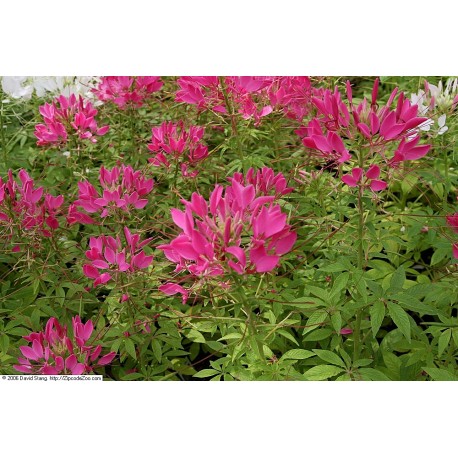 View larger
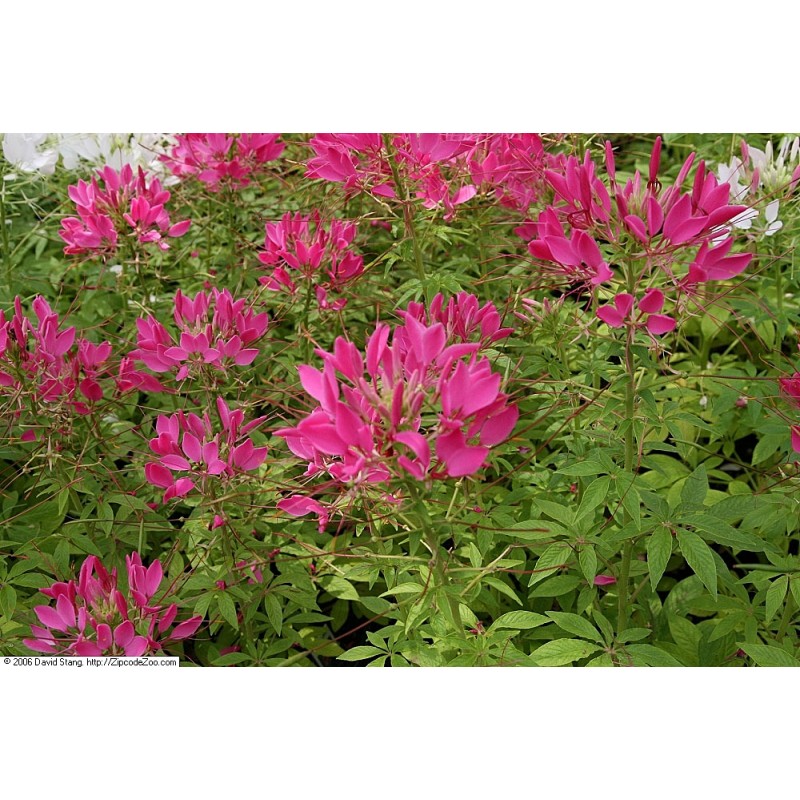
Cleome Seeds
New product
[Cleome hassleriana] Annual ornamental plant with spectacular spider-shaped blooms, in shades of pink, white and violet. A vigorous, branching plant reaching 90-150 cm, with abundant, continuous flowering from June until the first autumn frosts. Ideal for the back of mixed borders or as a standalone specimen: it attracts bees and night moths thanks to the intense fragrance of its flowers.
20 Items
More info
- Cleome Seeds
- The Cleome Plant
- How to Sow Cleome
- How to Grow Cleome
- Tips for Growing Cleome
- Pests and Diseases of Cleome
- Uses and Curiosities of Cleome
Cleome Seeds
Cleome (Cleome hassleriana, now reclassified by some botanists as Tarenaya hassleriana) is commonly known as "spider flower" for the unusual shape of its long stamens that extend from the petals. Native to South America, it is one of the most striking annuals to grow in the garden thanks to its abundant, long-lasting bloom.
The Cleome Plant
It belongs to the Cleomaceae family (formerly included in the Capparaceae) and can reach 90-150 cm in height, with an upright, branching habit. The leaves are palmate, made up of 5-7 leaflets, often slightly sticky and fragrant to the touch.
The flowers, gathered in terminal inflorescences, open from the bottom upward and keep renewing throughout summer; colours range from white to deep pink, through to violet shades, each with long protruding stamens reminiscent of spider legs.
How to Sow Cleome
Sowing is done in a seedbed in March-April, keeping a germination temperature of around 20-22 degrees, or directly outdoors from May once the risk of late frosts has passed. Seeds should be barely covered, about 0.5 cm deep, in a light, well-drained substrate.
How to Grow Cleome
It prefers a full sun position, fertile and well-drained soil; it tolerates summer heat well and brief dry spells once well established. Recommended spacing between plants is 40-50 cm, given the considerable size it can reach at maturity.
Watering should be regular in the first weeks after transplanting, then can be reduced; light feeding at the start of summer encourages more abundant, prolonged flowering right up to the first autumn cold.
Tips for Growing Cleome
Being a large plant, it should be placed at the back of mixed borders or used as a specimen plant; in windy areas it may need staking. The leaves and stems can be slightly prickly to the touch due to small thorns, so gloves are recommended when transplanting and pruning.
Pests and Diseases of Cleome
It is a generally hardy plant, not very prone to disease; in excessively humid conditions it may be susceptible to powdery mildew. Aphids may appear on the tender shoots, but rarely compromise overall flowering.
Uses and Curiosities of Cleome
Besides its ornamental value in beds and borders, Cleome is highly appreciated by pollinators, especially night moths and bees, which visit its fragrant flowers particularly at dusk. The common name "spider flower" comes precisely from the unusual shape of its long stamens, which make it easily recognisable even from a distance.