

No products
Semi fiori ornamentali
-
Semi ortaggi
-
Summer vegetables seeds
- Garlic seeds
- Watermelon seeds
- Asparagus seeds
- Chili seeds
- Beet seeds
- Basil seeds
- Chard seeds
- Cabbage seeds
- Onion seeds
- Carrot seeds
- artichoke seeds
- Cucumber seeds
- Strawberry seeds
- Bean and green bean seeds
- Broad bean seeds
- Lettuce seeds
- Corn seed
- Eggplant seeds
- Melon seeds
- Okra seeds
- Tomato seeds
- Pea seeds
- Leek seeds
- Pepper seeds
- Radish seeds
- Arugula seeds
- Shallot seeds
- Celery seeds
- Spinach seeds
- Valerian seeds
- Pumpkin seeds
- Courgette seeds
-
Winter vegetables seeds
- broccoli seeds
- cauliflower seeds
- semi di cavolo
- fennel seeds
- Semi di lattuga
- chicory seeds
- Radicchio seeds
- Rocket seeds
- Chard and Beet Seeds
- Escarole Seeds
- Onion Seeds
- Basil Seeds
- Chard Seeds
- Artichoke Seeds
- Carrot Seeds
- Cucumber Seeds
- Bean Seeds
- Endive Seeds
- Leek Seeds
- Parsley Seeds
- Celery Seeds
- Spinach Seeds
- Valerian Seeds
-
Summer vegetables seeds
- Peperoncino secco
- Peperoncino in polvere
- Semi piante aromatiche
- Prati e tappeti erbosi
- Semi fiori ornamentali
- Fertilizzanti
- Fertilizzante solido
- Spezie
- eBook
- Bulbi
- Starter kit / Micro orto
- Idea regalo / Bomboniere
- Patate e tuberi da semina
- Buoni regalo digitali
- TEST posizioni
 View larger
Lobelia Seeds
New product
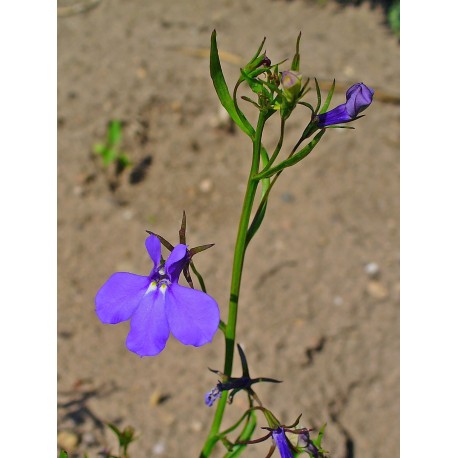
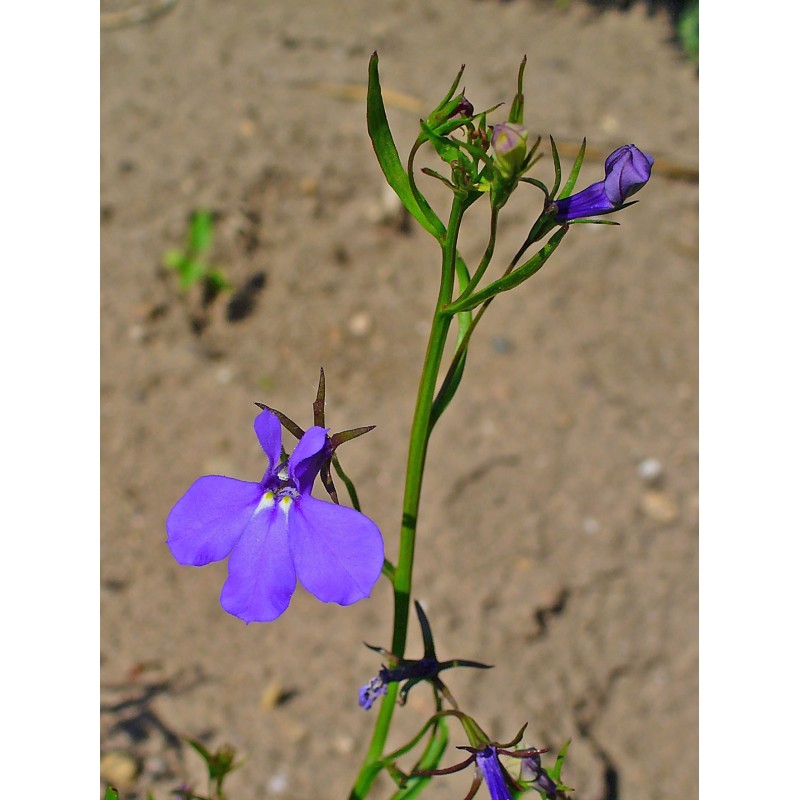
[Lobelia erinus] Small annual herbaceous plant with a trailing or groundcover habit, boasting a dense bloom of tiny tubular flowers in shades of deep blue, purple, sky blue, white and pink. Just 10-25 cm tall, perfect for pots, hanging baskets, window boxes and low borders. It flowers non-stop from spring until the first autumn frosts. Easy to grow, it pairs beautifully with petunias and geraniums.
This product is no longer in stock
More info
- Lobelia Seeds
- The Lobelia Plant
- How to Sow Lobelia
- How to Grow Lobelia
- Tips for Growing Lobelia
- Pests and Diseases of Lobelia
- Uses and Curiosities of Lobelia
Lobelia Seeds
Lobelia (Lobelia erinus) is a small herbaceous plant native to South Africa, introduced to Europe in 1752 and beloved ever since for its dense, long-lasting bloom. The tiny 3-petalled tubular flowers appear in huge numbers from spring until the first cold snaps, in shades of deep blue, purple, sky blue, white and pink.
The Lobelia Plant
It belongs to the Campanulaceae family and is generally grown as an annual, although in mild climates it can behave as a short-lived perennial. It has a prostrate or trailing habit, with very thin, flexible stems that rarely exceed 20-25 cm.
The leaves are small, toothed, a lovely dark green; the thin stems carry an impressive number of small lipped flowers, creating a groundcover or cascading effect that is particularly striking in pots and hanging baskets.
How to Sow Lobelia
The seeds are extremely tiny: mixing them with fine sand is recommended for even distribution. Sowing is done in a seedbed from February to March, in a warm, bright environment, without covering the seeds but simply pressing them lightly onto the substrate, which should be kept constantly moist until germination.
How to Grow Lobelia
It prefers a sunny or partially shaded position, with cool, well-drained soil rich in organic matter to prevent waterlogging that could harm the roots. It is not a demanding plant in terms of substrate, provided it drains well.
Watering should be regular and frequent in summer, always moderate so as not to overdo the moisture. Liquid feeding rich in nitrogen, phosphorus and potassium every 2 weeks throughout flowering supports lush growth.
Tips for Growing Lobelia
It is ideal for borders, flower beds, window boxes and especially hanging baskets, where its trailing habit shows off at its best. Light trimming in midsummer can revive flowering during the hottest weeks, when it naturally tends to slow down.
In winter, if temperatures drop below freezing, it is advisable to protect it with a cover or move it to a sheltered spot, or simply grow it as an annual in colder areas.
Pests and Diseases of Lobelia
Watch out for slugs and aphids, which can damage the tender shoots: natural or biological treatments are recommended. Excess moisture can favour root rot, so soil drainage remains essential.
Uses and Curiosities of Lobelia
Thanks to its vivid colours and versatile habit, Lobelia pairs beautifully with petunias and geraniums in mixed compositions, for a striking colour contrast. There are more than 300 species in the Lobelia genus, but erinus remains the most widespread and appreciated in gardening for its ease of cultivation and long-lasting beauty.