

No products
Semi fiori ornamentali
-
Semi ortaggi
-
Summer vegetables seeds
- Garlic seeds
- Watermelon seeds
- Asparagus seeds
- Chili seeds
- Beet seeds
- Basil seeds
- Chard seeds
- Cabbage seeds
- Onion seeds
- Carrot seeds
- artichoke seeds
- Cucumber seeds
- Strawberry seeds
- Bean and green bean seeds
- Broad bean seeds
- Lettuce seeds
- Corn seed
- Eggplant seeds
- Melon seeds
- Okra seeds
- Tomato seeds
- Pea seeds
- Leek seeds
- Pepper seeds
- Radish seeds
- Arugula seeds
- Shallot seeds
- Celery seeds
- Spinach seeds
- Valerian seeds
- Pumpkin seeds
- Courgette seeds
-
Winter vegetables seeds
- broccoli seeds
- cauliflower seeds
- semi di cavolo
- fennel seeds
- Semi di lattuga
- chicory seeds
- Radicchio seeds
- Rocket seeds
- Chard and Beet Seeds
- Escarole Seeds
- Onion Seeds
- Basil Seeds
- Chard Seeds
- Artichoke Seeds
- Carrot Seeds
- Cucumber Seeds
- Bean Seeds
- Endive Seeds
- Leek Seeds
- Parsley Seeds
- Celery Seeds
- Spinach Seeds
- Valerian Seeds
-
Summer vegetables seeds
- Peperoncino secco
- Peperoncino in polvere
- Semi piante aromatiche
- Prati e tappeti erbosi
- Semi fiori ornamentali
- Fertilizzanti
- Fertilizzante solido
- Spezie
- eBook
- Bulbi
- Starter kit / Micro orto
- Idea regalo / Bomboniere
- Patate e tuberi da semina
- Buoni regalo digitali
- TEST posizioni
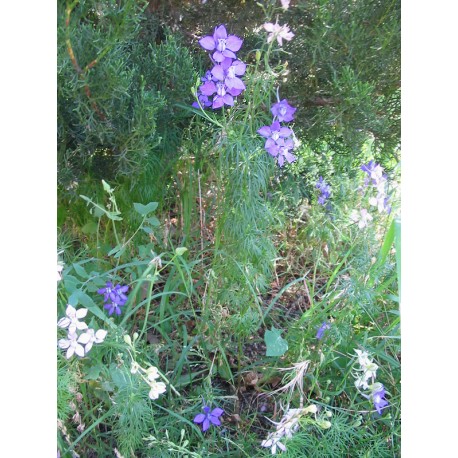 View larger
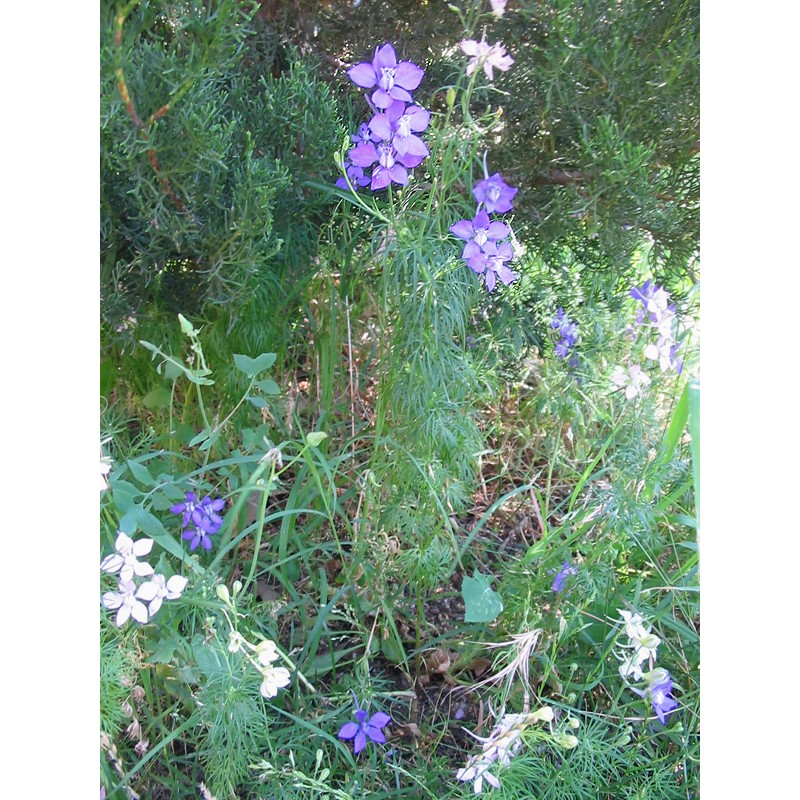
Delphinium Seeds
New product
[Delphinium ajacis] Annual flower with tall vertical spikes densely packed with small spurred blooms in shades of blue, purple, pink and white. Upright plant that can exceed 100-120 cm, with striking flowers from June to October. Perfect for back borders and as a long-lasting cut flower. Note: ornamental plant, all parts are toxic if ingested.
20 Items
More info
- Delphinium Seeds
- The Delphinium Plant
- How to Sow Delphinium
- How to Grow Delphinium
- Useful Tips
- Diseases and Pests
- Uses and Curiosities
Delphinium Seeds
Delphinium ajacis (also known as Larkspur) seeds let you grow one of the most striking border flowers: tall, dense spikes of small spurred blooms in shades ranging from deep blue to purple, pink and white. Native to the Mediterranean area, it is widespread across Europe in cottage gardens and as a cut flower.
The Delphinium Plant
It belongs to the Ranunculaceae family. It is an upright annual with slender but sturdy stems that can exceed 100-120 cm in height. The leaves are deeply cut, deep green in colour. The flowers, gathered in long terminal spikes, are distinguished by the characteristic rear spur that gives the plant its common name "larkspur".
How to Sow Delphinium
Sowing is done in seed trays at the end of winter to bring flowering forward, or directly in open ground in late spring. The seeds should be placed at a shallow depth and left uncovered, as they need light to germinate; they germinate best at cool temperatures, 15-18 degrees, within 2-4 weeks.
- Sowing period: late winter (trays) or spring (open ground)
- Sowing depth: surface sown, not covered
- Spacing between plants: 20-30 cm
- Exposure: full sun, sheltered from wind
- Germination temperature: 15-18 degrees
- Flowering: June-October
How to Grow Delphinium
It prefers loose, well-drained soil rich in organic matter, in a sunny position sheltered from strong winds, which can snap the flower stalks. Light staking helps support the taller spikes. Watering should be kept regular, avoiding waterlogging.
Useful Tips
Deadheading spent flowers extends the bloom period and encourages new side spikes. A monthly liquid feed during the growing season helps produce more abundant flowers. In very windy areas, provide staking from the earliest growth stages.
Diseases and Pests
It can be affected by powdery mildew in conditions of poor air circulation and high humidity, and by root rot in poorly drained soil. Among pests, aphids and slugs can attack the youngest, tenderest shoots.
Uses and Curiosities
Highly valued as a cut flower thanks to its long vase life and intense colours, it is also suitable for drying for long-lasting arrangements. The common name "larkspur" comes from the shape of the flower, with a rear spur resembling a bird's spur. Note: like many Ranunculaceae, all parts of the plant are toxic if ingested, so it should be grown for ornamental purposes only and kept away from children and pets.