

No products
Semi fiori ornamentali
-
Semi ortaggi
-
Summer vegetables seeds
- Garlic seeds
- Watermelon seeds
- Asparagus seeds
- Chili seeds
- Beet seeds
- Basil seeds
- Chard seeds
- Cabbage seeds
- Onion seeds
- Carrot seeds
- artichoke seeds
- Cucumber seeds
- Strawberry seeds
- Bean and green bean seeds
- Broad bean seeds
- Lettuce seeds
- Corn seed
- Eggplant seeds
- Melon seeds
- Okra seeds
- Tomato seeds
- Pea seeds
- Leek seeds
- Pepper seeds
- Radish seeds
- Arugula seeds
- Shallot seeds
- Celery seeds
- Spinach seeds
- Valerian seeds
- Pumpkin seeds
- Courgette seeds
-
Winter vegetables seeds
- broccoli seeds
- cauliflower seeds
- semi di cavolo
- fennel seeds
- Semi di lattuga
- chicory seeds
- Radicchio seeds
- Rocket seeds
- Chard and Beet Seeds
- Escarole Seeds
- Onion Seeds
- Basil Seeds
- Chard Seeds
- Artichoke Seeds
- Carrot Seeds
- Cucumber Seeds
- Bean Seeds
- Endive Seeds
- Leek Seeds
- Parsley Seeds
- Celery Seeds
- Spinach Seeds
- Valerian Seeds
-
Summer vegetables seeds
- Peperoncino secco
- Peperoncino in polvere
- Semi piante aromatiche
- Prati e tappeti erbosi
- Semi fiori ornamentali
- Fertilizzanti
- Fertilizzante solido
- Spezie
- eBook
- Bulbi
- Starter kit / Micro orto
- Idea regalo / Bomboniere
- Patate e tuberi da semina
- Buoni regalo digitali
 View larger
Coreopsis Seeds
New product
20 Items
More info
- Coreopsis
- The Coreopsis Plant
- How to Sow Coreopsis
- How to Grow Coreopsis
- Tips for Growing Coreopsis
- Coreopsis Pests and Diseases
- Uses and Curiosities of Coreopsis
Coreopsis
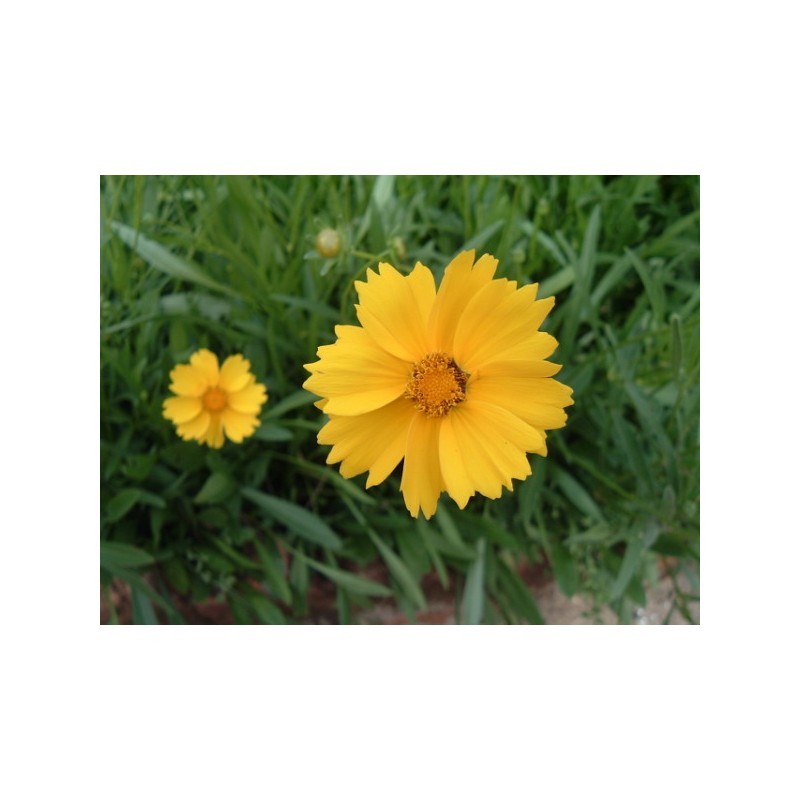
Coreopsis (Coreopsis lanceolata), also known as tickseed, is a perennial herbaceous plant native to North America, now grown as an ornamental flower worldwide for its bright yellow blooms and remarkable ease of cultivation. It's one of the most loved choices for wildflower meadows and low-maintenance borders.
The Coreopsis Plant
A member of the Asteraceae family, it grows in a bushy clump 30-60 cm (12-24 in) tall. The leaves are lance-shaped, mostly clustered at the base of the plant.
The flowers, resembling small yellow daisies with a darker center, bloom abundantly from early summer through the first autumn frosts.
How to Sow Coreopsis
Sow in spring, either directly outdoors or in trays, covering the seeds lightly (2-3 mm / 0.1 in). Germination takes 10-15 days at 18-21°C (64-70°F).
How to Grow Coreopsis
It prefers well-drained soil, even poor ground, in full sun. Once established it tolerates drought well and doesn't need frequent watering.
Thin plants to about 30 cm (12 in) apart; deadheading spent flowers encourages continuous fresh blooms all season long.
Tips for Growing Coreopsis
Avoid nitrogen-rich soil, which favors leafy growth at the expense of flowering. In pots, choose roomy containers with good drainage at the bottom.
Coreopsis Pests and Diseases
A tough, resistant plant, rarely bothered by pests. The main risk is root rot in soil that's too wet or poorly drained.
Uses and Curiosities of Coreopsis
The name Coreopsis comes from the Greek "koris" (bug) and "opsis" (appearance), referring to the resemblance of the seeds to small insects — hence the common name "tickseed". It's an excellent plant for bees and is also popular in naturalistic gardens and pollinator meadows.