

No products
Semi fiori ornamentali
-
Semi ortaggi
-
Summer vegetables seeds
- Garlic seeds
- Watermelon seeds
- Asparagus seeds
- Chili seeds
- Beet seeds
- Basil seeds
- Chard seeds
- Cabbage seeds
- Onion seeds
- Carrot seeds
- artichoke seeds
- Cucumber seeds
- Strawberry seeds
- Bean and green bean seeds
- Broad bean seeds
- Lettuce seeds
- Corn seed
- Eggplant seeds
- Melon seeds
- Okra seeds
- Tomato seeds
- Pea seeds
- Leek seeds
- Pepper seeds
- Radish seeds
- Arugula seeds
- Shallot seeds
- Celery seeds
- Spinach seeds
- Valerian seeds
- Pumpkin seeds
- Courgette seeds
-
Winter vegetables seeds
- broccoli seeds
- cauliflower seeds
- semi di cavolo
- fennel seeds
- Semi di lattuga
- chicory seeds
- Radicchio seeds
- Rocket seeds
- Chard and Beet Seeds
- Escarole Seeds
- Onion Seeds
- Basil Seeds
- Chard Seeds
- Artichoke Seeds
- Carrot Seeds
- Cucumber Seeds
- Bean Seeds
- Endive Seeds
- Leek Seeds
- Parsley Seeds
- Celery Seeds
- Spinach Seeds
- Valerian Seeds
-
Summer vegetables seeds
- Peperoncino secco
- Peperoncino in polvere
- Semi piante aromatiche
- Prati e tappeti erbosi
- Semi fiori ornamentali
- Fertilizzanti
- Fertilizzante solido
- Spezie
- eBook
- Bulbi
- Starter kit / Micro orto
- Idea regalo / Bomboniere
- Patate e tuberi da semina
- Buoni regalo digitali
- TEST posizioni
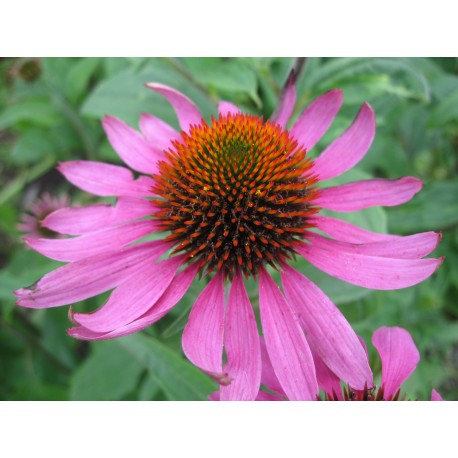 View larger
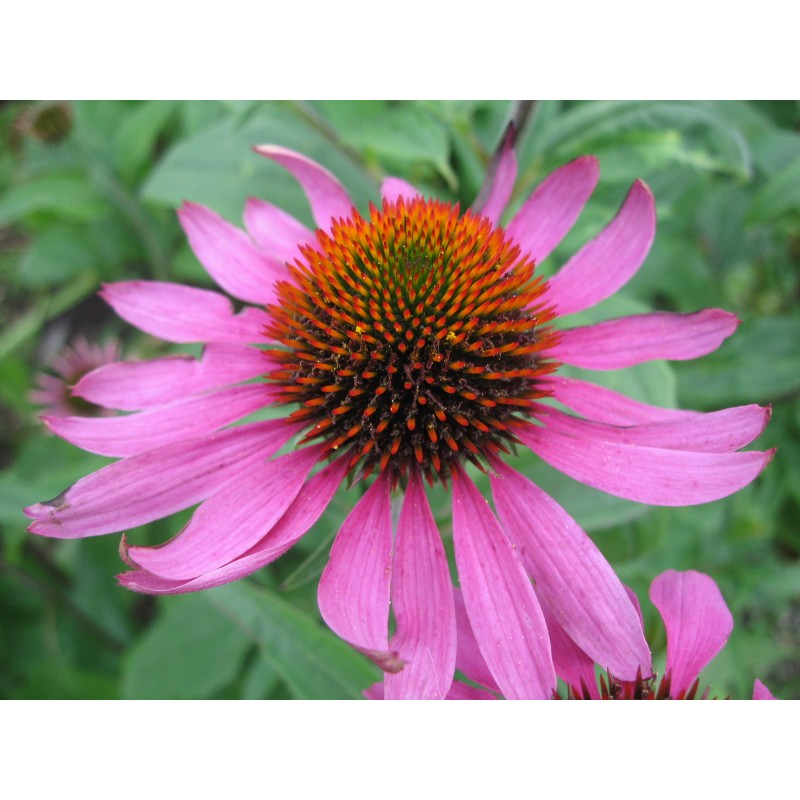
Echinacea Seeds (Coneflower)
New product
20 Items
More info
- Coneflower
- The Coneflower Plant
- How to Sow Coneflower
- How to Grow Coneflower
- Tips for Growing Coneflower
- Coneflower Pests and Diseases
- Uses and Curiosities of Coneflower
Coneflower
Echinacea (Echinacea purpurea), commonly known as the purple coneflower, is a perennial herbaceous plant native to the prairies of North America. It's beloved both for the ornamental value of its large pink-purple flowers and for its traditional use in herbal medicine.
The Coneflower Plant
A member of the Asteraceae family, it grows upright to a height of 60-120 cm (24-47 in). The leaves are rough to the touch, lance-shaped, dark green in color.
The flowers stand out for their large orange-brown central cone surrounded by drooping pink-purple petals, blooming from summer through early autumn and attracting many butterflies.
How to Sow Coneflower
Sow in spring, either in trays or directly outdoors, covering the seeds about 5 mm (0.2 in) deep. A few weeks of cold stratification in the fridge before sowing can improve germination, which takes 15-25 days.
How to Grow Coneflower
It prefers well-drained soil, even poor ground, in full sun or light partial shade. Once established it tolerates drought well and only needs watering during the hottest spells.
Thin plants to 30-40 cm (12-16 in) apart; deadheading spent flowers extends the bloom, though leaving some at season's end provides valuable seeds for seed-eating birds.
Tips for Growing Coneflower
Avoid waterlogged soil, especially in winter, which can damage the root system. It's a long-lived plant that can stay in the same spot for many years without needing to be transplanted.
Coneflower Pests and Diseases
Generally a resistant plant; the main risk is root rot in soil that's too wet. Aphid or powdery mildew attacks are rare and occur mainly where air circulation is poor.
Uses and Curiosities of Coneflower
The name Echinacea comes from the Greek "echinos" (hedgehog), referring to the spiky shape of the central cone. It's traditionally known in Native American folk medicine and is today one of the most popular plants in pollinator gardens, as well as one of the most widely studied herbs for respiratory wellness.