

No products
Semi fiori ornamentali
-
Semi ortaggi
-
Summer vegetables seeds
- Garlic seeds
- Watermelon seeds
- Asparagus seeds
- Chili seeds
- Beet seeds
- Basil seeds
- Chard seeds
- Cabbage seeds
- Onion seeds
- Carrot seeds
- artichoke seeds
- Cucumber seeds
- Strawberry seeds
- Bean and green bean seeds
- Broad bean seeds
- Lettuce seeds
- Corn seed
- Eggplant seeds
- Melon seeds
- Okra seeds
- Tomato seeds
- Pea seeds
- Leek seeds
- Pepper seeds
- Radish seeds
- Arugula seeds
- Shallot seeds
- Celery seeds
- Spinach seeds
- Valerian seeds
- Pumpkin seeds
- Courgette seeds
-
Winter vegetables seeds
- broccoli seeds
- cauliflower seeds
- semi di cavolo
- fennel seeds
- Semi di lattuga
- chicory seeds
- Radicchio seeds
- Rocket seeds
- Chard and Beet Seeds
- Escarole Seeds
- Onion Seeds
- Basil Seeds
- Chard Seeds
- Artichoke Seeds
- Carrot Seeds
- Cucumber Seeds
- Bean Seeds
- Endive Seeds
- Leek Seeds
- Parsley Seeds
- Celery Seeds
- Spinach Seeds
- Valerian Seeds
-
Summer vegetables seeds
- Peperoncino secco
- Peperoncino in polvere
- Semi piante aromatiche
- Prati e tappeti erbosi
- Semi fiori ornamentali
- Fertilizzanti
- Fertilizzante solido
- Spezie
- eBook
- Bulbi
- Starter kit / Micro orto
- Idea regalo / Bomboniere
- Patate e tuberi da semina
- Buoni regalo digitali
- TEST posizioni
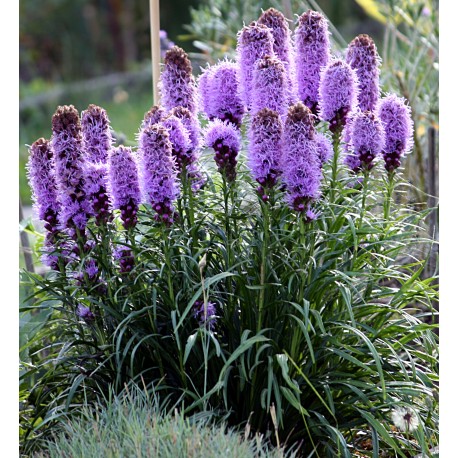 View larger
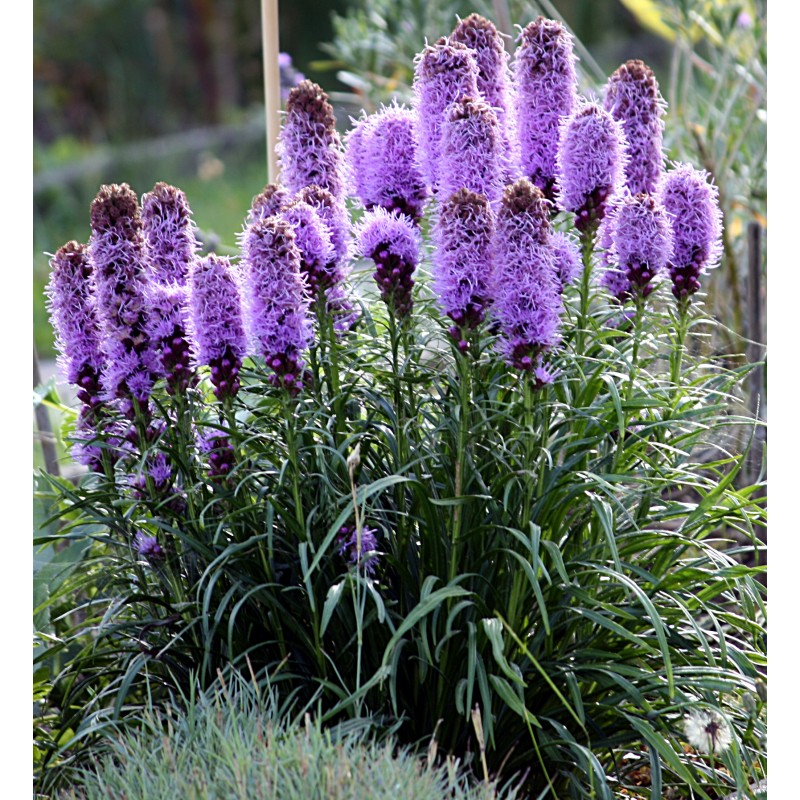
Liatris Seeds (Blazing Star)
New product
20 Items
More info
- Liatris
- The Liatris Plant
- How to Sow Liatris
- How to Grow Liatris
- Tips for Growing Liatris
- Liatris Pests and Diseases
- Uses and Curiosities of Liatris
Liatris
Liatris (Liatris spicata), also known as gayfeather or blazing star, is a perennial herbaceous plant native to the moist prairies of eastern North America. It stands out for its striking upright spikes of purple flowers, resembling feathers or bottle brushes, much loved both in the garden and as a cut flower.
The Liatris Plant
A member of the Asteraceae family, it grows upright to a height of 60-120 cm (24-47 in) depending on the variety. The leaves are thin and linear, gathered at the base in a grassy tuft.
A botanical quirk: the flowers open from the top of the spike downward, unlike most plants, and it attracts huge numbers of butterflies during summer.
How to Sow Liatris
Sow in spring, either in trays or directly outdoors, covering the seeds about 5 mm (0.2 in) deep. A few weeks of cold stratification can improve germination, which takes 15-25 days.
How to Grow Liatris
It prefers well-drained soil, in full sun. Once established, it tolerates both moist soil and moderate dry spells well.
Thin plants to 25-30 cm (10-12 in) apart; the underground corms multiply over time, forming ever fuller-flowering clumps year after year.
Tips for Growing Liatris
Avoid poorly drained soil in winter, which can cause corm rot. Taller varieties may benefit from light staking in windy spots.
Liatris Pests and Diseases
A hardy, generally resistant plant; the main risk is corm rot in soil that stays too wet during winter dormancy. Foliage pests are rare.
Uses and Curiosities of Liatris
The common name "gayfeather" refers precisely to the feathery look of the flower spikes. It's one of the most requested flowers in cut-flower bouquets for its very long vase life, as well as an excellent nectar source for butterflies and pollinators in naturalistic gardens.