

No products
Semi fiori ornamentali
-
Semi ortaggi
-
Summer vegetables seeds
- Garlic seeds
- Watermelon seeds
- Asparagus seeds
- Chili seeds
- Beet seeds
- Basil seeds
- Chard seeds
- Cabbage seeds
- Onion seeds
- Carrot seeds
- artichoke seeds
- Cucumber seeds
- Strawberry seeds
- Bean and green bean seeds
- Broad bean seeds
- Lettuce seeds
- Corn seed
- Eggplant seeds
- Melon seeds
- Okra seeds
- Tomato seeds
- Pea seeds
- Leek seeds
- Pepper seeds
- Radish seeds
- Arugula seeds
- Shallot seeds
- Celery seeds
- Spinach seeds
- Valerian seeds
- Pumpkin seeds
- Courgette seeds
-
Winter vegetables seeds
- broccoli seeds
- cauliflower seeds
- semi di cavolo
- fennel seeds
- Semi di lattuga
- chicory seeds
- Radicchio seeds
- Rocket seeds
- Chard and Beet Seeds
- Escarole Seeds
- Onion Seeds
- Basil Seeds
- Chard Seeds
- Artichoke Seeds
- Carrot Seeds
- Cucumber Seeds
- Bean Seeds
- Endive Seeds
- Leek Seeds
- Parsley Seeds
- Celery Seeds
- Spinach Seeds
- Valerian Seeds
-
Summer vegetables seeds
- Peperoncino secco
- Peperoncino in polvere
- Semi piante aromatiche
- Prati e tappeti erbosi
- Semi fiori ornamentali
- Fertilizzanti
- Fertilizzante solido
- Spezie
- eBook
- Bulbi
- Starter kit / Micro orto
- Idea regalo / Bomboniere
- Patate e tuberi da semina
- Buoni regalo digitali
- TEST posizioni
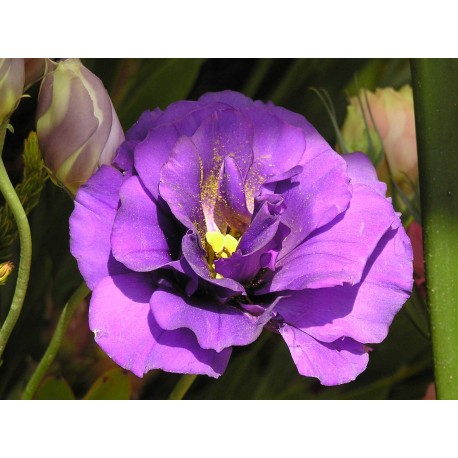 View larger
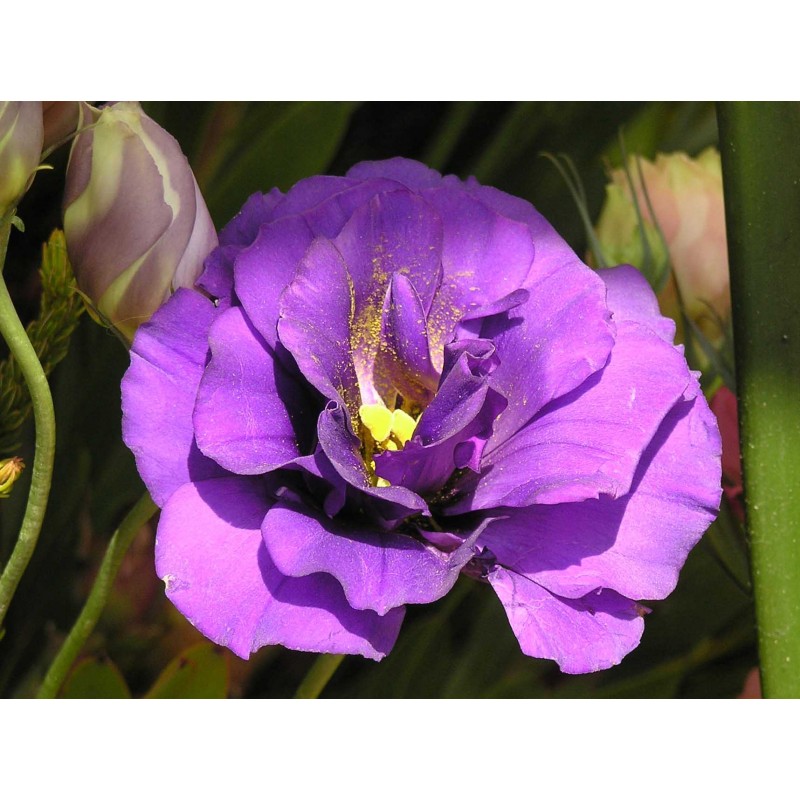
Lisianthus Seeds
New product
20 Items
More info
- Lisianthus Seeds
- The Lisianthus Plant
- How to Sow Lisianthus
- How to Grow Lisianthus
- Tips for Growing Lisianthus
- Diseases and Pests of Lisianthus
- Uses and Curiosities of Lisianthus
Lisianthus Seeds
Lisianthus (Eustoma grandiflorum, synonym Eustoma russellianum), also known as Prairie Gentian, is a herbaceous plant in the Gentian family, native to the warm regions of Texas, Mexico and Central America. It is highly prized for its bell-shaped, rose-like flowers with thin, silky petals.
The Lisianthus Plant
It grows slowly and gradually, with slender but sturdy stems reaching 40-70 cm in height. The leaves are lance-shaped, opposite, blue-green in color, with a waxy surface.
The single or double flowers bloom in summer at the stem tips, in a wide range of colors: white, yellow, pink, purple-red, blue, mauve, and often bicolor varieties.
How to Sow Lisianthus
The tiny seeds should be sown in a seedbed in autumn-winter or early spring, spread on the surface of fine, moist soil without covering them, as they need light to germinate. Keep the container at 20-25°C: germination usually takes 2-3 weeks, though full seedling development can take a few months given the plant's slow growth.
How to Grow Lisianthus
It prefers well-drained, slightly acidic to neutral soil (pH 6-7), rich in organic matter. Water regularly, especially in spring and summer, avoiding waterlogging that can damage the roots.
In Italy, growing it outdoors in open ground is best suited to coastal regions with a mild climate; elsewhere, container growing is preferable, including indoors, thanks to its elegant appearance.
Tips for Growing Lisianthus
The thin, tall stems can bend in strong wind: light staking is helpful, especially for taller varieties. Feeding with a liquid flower fertilizer every 15 days during flowering encourages more abundant blooms.
Diseases and Pests of Lisianthus
It's a delicate plant, prone to root and fungal rot in case of waterlogging or poor air circulation. Good substrate drainage and a well-ventilated spot are the best prevention against these issues.
Uses and Curiosities of Lisianthus
Thanks to its elegance and long vase life, Lisianthus is one of the most sought-after cut flowers for wedding bouquets, ceremonies and refined floral arrangements, earning it the nickname "the next rose" in the international floriculture trade. Japan and New Zealand are among the leading countries where this species is intensively grown and bred into new cultivars.