

No products
artichoke seeds
-
Semi ortaggi
-
Summer vegetables seeds
- Garlic seeds
- Watermelon seeds
- Asparagus seeds
- Chili seeds
- Beet seeds
- Basil seeds
- Chard seeds
- Cabbage seeds
- Onion seeds
- Carrot seeds
- artichoke seeds
- Cucumber seeds
- Strawberry seeds
- Bean and green bean seeds
- Broad bean seeds
- Lettuce seeds
- Corn seed
- Eggplant seeds
- Melon seeds
- Okra seeds
- Tomato seeds
- Pea seeds
- Leek seeds
- Pepper seeds
- Radish seeds
- Arugula seeds
- Shallot seeds
- Celery seeds
- Spinach seeds
- Valerian seeds
- Pumpkin seeds
- Courgette seeds
-
Winter vegetables seeds
- broccoli seeds
- cauliflower seeds
- semi di cavolo
- fennel seeds
- Semi di lattuga
- chicory seeds
- Radicchio seeds
- Rocket seeds
- Chard and Beet Seeds
- Escarole Seeds
- Onion Seeds
- Basil Seeds
- Chard Seeds
- Artichoke Seeds
- Carrot Seeds
- Cucumber Seeds
- Bean Seeds
- Endive Seeds
- Leek Seeds
- Parsley Seeds
- Celery Seeds
- Spinach Seeds
- Valerian Seeds
-
Summer vegetables seeds
- Peperoncino secco
- Peperoncino in polvere
- Semi piante aromatiche
- Prati e tappeti erbosi
- Semi fiori ornamentali
- Fertilizzanti
- Fertilizzante solido
- Spezie
- eBook
- Bulbi
- Starter kit / Micro orto
- Idea regalo / Bomboniere
- Patate e tuberi da semina
- Buoni regalo digitali
- TEST posizioni
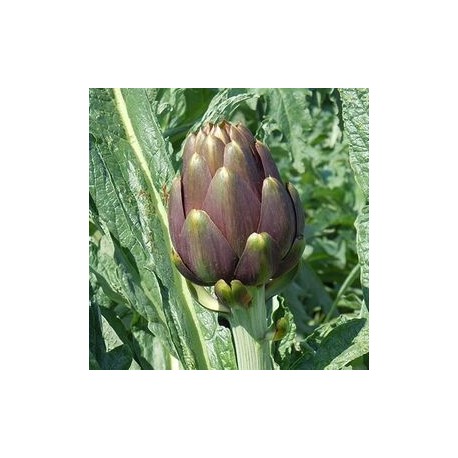 View larger
In Vitro Artichoke Seeds
New product
Propagation material obtained through micropropagation, guaranteeing healthy, uniform, virus-free artichoke plants.
100 Items
More info
- In Vitro Artichoke
- The In Vitro Artichoke Plant
- How to Sow In Vitro Artichoke
- How to Grow In Vitro Artichoke
- Tips for Growing In Vitro Artichoke
- Diseases and Pests of In Vitro Artichoke
- Properties of In Vitro Artichoke
- Nutritional Values of In Vitro Artichoke (per 100 g)
In Vitro Artichoke
In Vitro Artichoke refers to propagation material obtained through micropropagation, a technique that guarantees healthy, uniform and virus-free plants, ideal for even plantings.
The In Vitro Artichoke Plant
Its botanical name is Cynara cardunculus var. scolymus, family Asteraceae. In vitro propagation starts from selected apical meristems, which preserve varietal identity over time.
How to Sow In Vitro Artichoke
Seedlings derived from micropropagation are acclimatized in the nursery and then transplanted into the field, generally in autumn or late winter depending on local climate.
How to Grow In Vitro Artichoke
It prefers deep, loose, well-drained soil in full sun. Recommended spacing is about 100 cm between plants and 150 cm between rows, to allow the clump to develop.
Thanks to the genetic uniformity guaranteed by micropropagation, flowering and harvest are more even compared to propagation by seed or offshoots.
Tips for Growing In Vitro Artichoke
In the first months after transplanting, it is important to keep the soil consistently moist, to promote rapid establishment of the young in vitro-derived seedlings.
Diseases and Pests of In Vitro Artichoke
Being sanitarily controlled material, it shows lower incidence of viral disease compared to traditional propagation; it remains susceptible to aphids and powdery mildew under favorable conditions.
Properties of In Vitro Artichoke
The heads produced are rich in cynarin, fiber and antioxidants, with the well-known liver-detoxifying properties typical of artichoke, unaffected by the propagation technique.
Nutritional Values of In Vitro Artichoke (per 100 g)
- Calories: 47 kcal
- Protein: 3.3 g
- Fat: 0.2 g
- Carbohydrates: 10.5 g
- Fiber: 5.4 g
- Potassium: 370 mg
- Vitamin C: 11.7 mg