

No products
artichoke seeds
-
Semi ortaggi
-
Summer vegetables seeds
- Garlic seeds
- Watermelon seeds
- Asparagus seeds
- Chili seeds
- Beet seeds
- Basil seeds
- Chard seeds
- Cabbage seeds
- Onion seeds
- Carrot seeds
- artichoke seeds
- Cucumber seeds
- Strawberry seeds
- Bean and green bean seeds
- Broad bean seeds
- Lettuce seeds
- Corn seed
- Eggplant seeds
- Melon seeds
- Okra seeds
- Tomato seeds
- Pea seeds
- Leek seeds
- Pepper seeds
- Radish seeds
- Arugula seeds
- Shallot seeds
- Celery seeds
- Spinach seeds
- Valerian seeds
- Pumpkin seeds
- Courgette seeds
-
Winter vegetables seeds
- broccoli seeds
- cauliflower seeds
- semi di cavolo
- fennel seeds
- Semi di lattuga
- chicory seeds
- Radicchio seeds
- Rocket seeds
- Chard and Beet Seeds
- Escarole Seeds
- Onion Seeds
- Basil Seeds
- Chard Seeds
- Artichoke Seeds
- Carrot Seeds
- Cucumber Seeds
- Bean Seeds
- Endive Seeds
- Leek Seeds
- Parsley Seeds
- Celery Seeds
- Spinach Seeds
- Valerian Seeds
-
Summer vegetables seeds
- Peperoncino secco
- Peperoncino in polvere
- Semi piante aromatiche
- Prati e tappeti erbosi
- Semi fiori ornamentali
- Fertilizzanti
- Fertilizzante solido
- Spezie
- eBook
- Bulbi
- Starter kit / Micro orto
- Idea regalo / Bomboniere
- Patate e tuberi da semina
- Buoni regalo digitali
- TEST posizioni
 View larger
Romanesco Artichoke Seeds
New product
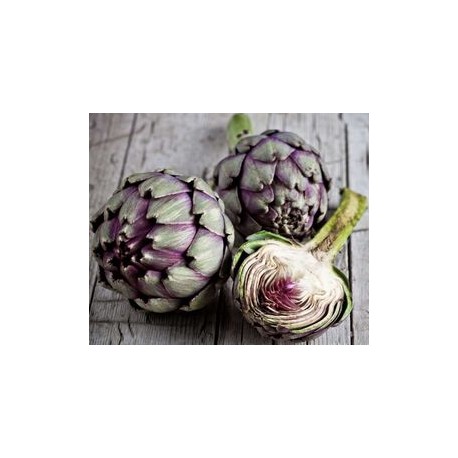
Traditional variety with round, compact, thornless heads and green-violet bracts, typical of Lazio's vegetable gardens.
97 Items
More info
- Romanesco Artichoke
- The Romanesco Artichoke Plant
- How to Sow Romanesco Artichoke
- How to Grow Romanesco Artichoke
- Tips for Growing Romanesco Artichoke
- Diseases and Pests of Romanesco Artichoke
- Properties of Romanesco Artichoke
- Nutritional Values of Romanesco Artichoke (per 100 g)
Romanesco Artichoke
Romanesco Artichoke, also known as "mammola" or "cimarolo", produces round, compact heads, thornless, with green-violet bracts, typical of Lazio's traditional vegetable gardens.
The Romanesco Artichoke Plant
Botanical name Cynara cardunculus var. scolymus, family Asteraceae. It is a bushy perennial plant that produces a main head (the "mammolo") followed by smaller lateral heads.
How to Sow Romanesco Artichoke
It is usually propagated by suckers or offshoots, transplanted between late summer and autumn, about 5-8 cm deep, in well-worked, fertilized soil.
How to Grow Romanesco Artichoke
It prefers mild climates typical of central Italy and deep, well-drained soil. Recommended spacing is 80-100 cm between plants, to allow the clump to develop and lateral heads to form.
Harvest of the main head generally takes place between February and April, followed by the secondary heads in the following weeks.
Tips for Growing Romanesco Artichoke
Organic fertilizing in autumn promotes vigorous plant development; mulching helps protect the root system from the winter cold typical of growing areas.
Diseases and Pests of Romanesco Artichoke
It can be affected by powdery mildew and aphids, especially in spring; promptly removing wilted leaves reduces the risk of fungal infections at the base of the clump.
Properties of Romanesco Artichoke
The heads are rich in cynarin, an active compound with recognized liver-detoxifying properties, as well as fiber, potassium and natural antioxidants.
Nutritional Values of Romanesco Artichoke (per 100 g)
- Calories: 47 kcal
- Protein: 3.3 g
- Fat: 0.2 g
- Carbohydrates: 10.5 g
- Fiber: 5.4 g
- Potassium: 370 mg
- Cynarin: present in significant amounts