

No products
Basil seeds
-
Semi ortaggi
-
Summer vegetables seeds
- Garlic seeds
- Watermelon seeds
- Asparagus seeds
- Chili seeds
- Beet seeds
- Basil seeds
- Chard seeds
- Cabbage seeds
- Onion seeds
- Carrot seeds
- artichoke seeds
- Cucumber seeds
- Strawberry seeds
- Bean and green bean seeds
- Broad bean seeds
- Lettuce seeds
- Corn seed
- Eggplant seeds
- Melon seeds
- Okra seeds
- Tomato seeds
- Pea seeds
- Leek seeds
- Pepper seeds
- Radish seeds
- Arugula seeds
- Shallot seeds
- Celery seeds
- Spinach seeds
- Valerian seeds
- Pumpkin seeds
- Courgette seeds
-
Winter vegetables seeds
- broccoli seeds
- cauliflower seeds
- semi di cavolo
- fennel seeds
- Semi di lattuga
- chicory seeds
- Radicchio seeds
- Rocket seeds
- Chard and Beet Seeds
- Escarole Seeds
- Onion Seeds
- Basil Seeds
- Chard Seeds
- Artichoke Seeds
- Carrot Seeds
- Cucumber Seeds
- Bean Seeds
- Endive Seeds
- Leek Seeds
- Parsley Seeds
- Celery Seeds
- Spinach Seeds
- Valerian Seeds
-
Summer vegetables seeds
- Peperoncino secco
- Peperoncino in polvere
- Semi piante aromatiche
- Prati e tappeti erbosi
- Semi fiori ornamentali
- Fertilizzanti
- Fertilizzante solido
- Spezie
- eBook
- Bulbi
- Starter kit / Micro orto
- Idea regalo / Bomboniere
- Patate e tuberi da semina
- Buoni regalo digitali
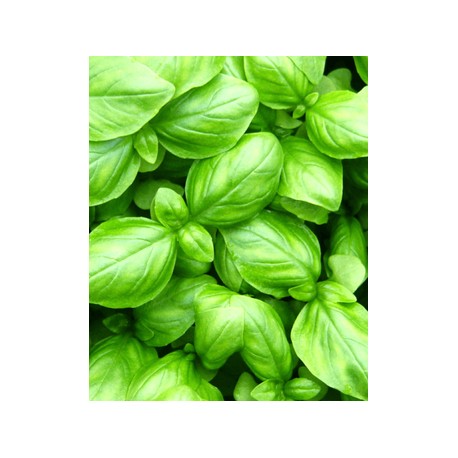 View larger
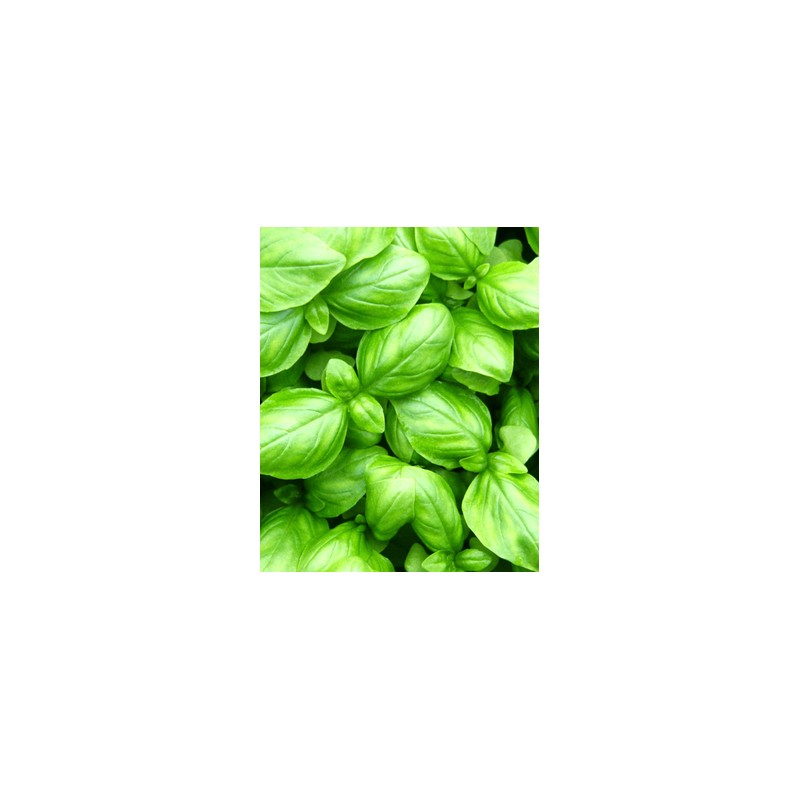
Genovese Basil Seeds
New product
[Ocimum basilicum] Genovese basil seeds, the classic Italian variety with broad, aromatic leaves, famous for traditional pesto alla genovese.
97 Items
More info
- Genovese Basil
- The Genovese Basil Plant
- How to Sow Genovese Basil
- How to Grow Genovese Basil
- Tips for Genovese Basil
- Diseases and Pests of Genovese Basil
- Uses and Curiosities of Genovese Basil
Genovese Basil
Genovese basil is the best known and most widely grown variety in Italy, famous above all for making traditional pesto alla genovese. It has broad, smooth leaves of bright green colour, with a sweet, intense aroma that is released best when the plant is harvested before flowering. It is the benchmark variety to which all other basil types are often compared.
The Genovese Basil Plant
Ocimum basilicum belongs to the Lamiaceae family, the same as mint and rosemary. It is an annual herbaceous plant with an upright, branching stem that can reach 30-60 cm in height. Genovese basil leaves are oval, fleshy and slightly bubbled, arranged oppositely along the stem, and contain essential oils such as linalool and eugenol responsible for its characteristic aroma.
How to Sow Genovese Basil
Genovese basil is sown from March to April in a protected seedbed, or directly in the field from May once night temperatures are steadily above 12°C, as the plant is very sensitive to cold. Seeds should be barely covered with a thin layer of soil, keeping the substrate moist: germination usually occurs in 7-14 days at a temperature of around 20-25°C.
How to Grow Genovese Basil
Genovese basil prefers moderately moist, well-draining soil rich in organic matter, in a sunny position sheltered from strong winds. Watering should be regular, avoiding waterlogging that favours root rot. It is advisable to regularly pinch the plant, removing flower tips, to stimulate new leaf production and extend the harvest throughout summer.
Tips for Genovese Basil
To obtain particularly aromatic leaves, it is best to harvest Genovese basil during the coolest hours of the day, preferably in the morning, and use it fresh since drying causes it to lose much of its characteristic aroma. Light organic fertilising every 3-4 weeks encourages lush leaf growth without compromising the intensity of the aroma.
Diseases and Pests of Genovese Basil
Genovese basil can be susceptible to downy mildew, a fungal disease that shows as yellow spots on the upper leaf surface and greyish mould underneath, favoured by high humidity and poor ventilation. Common pests include aphids and slugs, best kept under control with good airflow around the crop and natural treatments.
Uses and Curiosities of Genovese Basil
Besides its culinary use in the famous pesto, salads and tomato-based dishes, an infusion of Genovese basil leaves is traditionally used for its mild relaxing effect, helpful with anxiety and difficulty falling asleep. The plant also contains vitamins A, C and E along with minerals and antioxidant compounds.