

No products
Bean and green bean seeds
-
Semi ortaggi
-
Summer vegetables seeds
- Garlic seeds
- Watermelon seeds
- Asparagus seeds
- Chili seeds
- Beet seeds
- Basil seeds
- Chard seeds
- Cabbage seeds
- Onion seeds
- Carrot seeds
- artichoke seeds
- Cucumber seeds
- Strawberry seeds
- Bean and green bean seeds
- Broad bean seeds
- Lettuce seeds
- Corn seed
- Eggplant seeds
- Melon seeds
- Okra seeds
- Tomato seeds
- Pea seeds
- Leek seeds
- Pepper seeds
- Radish seeds
- Arugula seeds
- Shallot seeds
- Celery seeds
- Spinach seeds
- Valerian seeds
- Pumpkin seeds
- Courgette seeds
-
Winter vegetables seeds
- broccoli seeds
- cauliflower seeds
- semi di cavolo
- fennel seeds
- Semi di lattuga
- chicory seeds
- Radicchio seeds
- Rocket seeds
- Chard and Beet Seeds
- Escarole Seeds
- Onion Seeds
- Basil Seeds
- Chard Seeds
- Artichoke Seeds
- Carrot Seeds
- Cucumber Seeds
- Bean Seeds
- Endive Seeds
- Leek Seeds
- Parsley Seeds
- Celery Seeds
- Spinach Seeds
- Valerian Seeds
-
Summer vegetables seeds
- Peperoncino secco
- Peperoncino in polvere
- Semi piante aromatiche
- Prati e tappeti erbosi
- Semi fiori ornamentali
- Fertilizzanti
- Fertilizzante solido
- Spezie
- eBook
- Bulbi
- Starter kit / Micro orto
- Idea regalo / Bomboniere
- Patate e tuberi da semina
- Buoni regalo digitali
- TEST posizioni
 View larger
Dwarf Supremo Borlotti Bean Seeds
New product
[Phaseolus vulgaris] Seeds of a dwarf borlotti bean with classic red-and-cream streaked pods, great fresh or dried.
99 Items
More info
- Dwarf Supremo Borlotti Bean
- The Dwarf Supremo Borlotti Bean Plant
- How to Sow Dwarf Supremo Borlotti Bean
- How to Grow Dwarf Supremo Borlotti Bean
- Tips for Growing Dwarf Supremo Borlotti Bean
- Diseases and Pests of Dwarf Supremo Borlotti Bean
- Properties of Dwarf Supremo Borlotti Bean
- Nutritional Values of Dwarf Supremo Borlotti Bean (per 100 g)
Dwarf Supremo Borlotti Bean
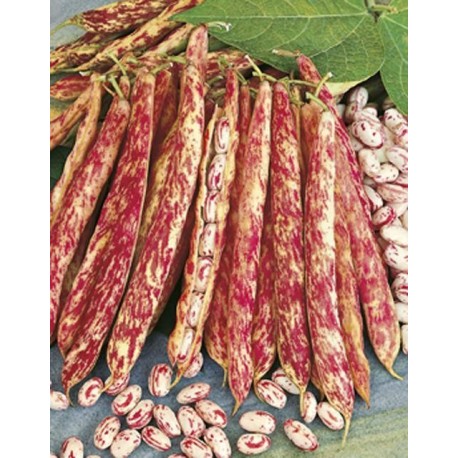
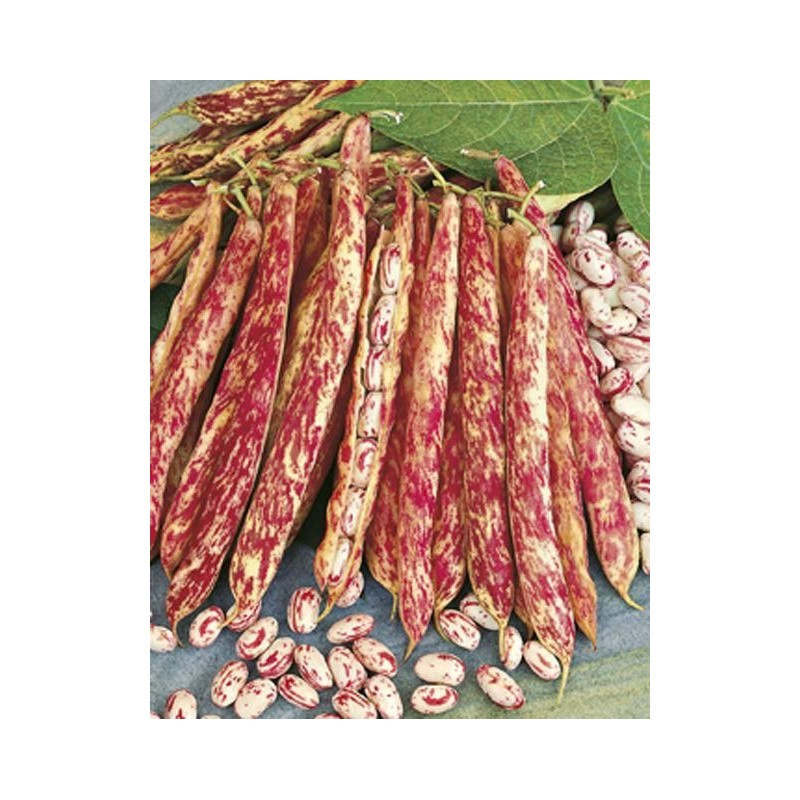
dwarf Supremo borlotti bean is a dwarf shell bean variety with the characteristic red and cream streaked pod typical of traditional borlotti beans. Enjoyed both fresh and dried, it's a timeless classic of Italian cooking, from soups to stews.
The dwarf Supremo borlotti bean Plant
Botanically it is a Phaseolus vulgaris, part of the Fabaceae family, in its compact dwarf form, reaching around 40-45 cm in height. The wide pods, mottled red on a cream background, contain equally speckled seeds with the hearty flavor typical of borlotti beans.
It is a hardy, productive plant, suited both to early harvest for fresh shelling and full maturity for dry storage.
How to Sow dwarf Supremo borlotti bean
Sowing takes place from May to June, once the risk of frost has passed, placing seeds 3-4 cm deep and 10-12 cm apart along the row, with rows 45-50 cm apart.
How to Grow dwarf Supremo borlotti bean
It prefers loose, well-drained soil, not too rich in nitrogen, which would favor leaf growth at the expense of pod production. Regular watering during flowering and pod formation is essential for a good yield.
Fresh harvest happens about 70-80 days after sowing, while for dried beans you need to wait for the pods to fully dry on the plant, generally another 20-30 days.
Tips for Growing dwarf Supremo borlotti bean
Being non-climbing, it needs no stakes or supports, making it practical even for small gardens. For dry storage it's important to harvest pods only once fully dry, to avoid mold during storage.
Diseases and Pests of dwarf Supremo borlotti bean
The most common threats are anthracnose, bean rust and the bean weevil, an insect that attacks the seeds during storage. Crop rotation, good ventilation and storage in airtight containers reduce the risks.
Properties of dwarf Supremo borlotti bean
Dried borlotti beans are rich in plant protein, fiber and iron, along with a good supply of folate and potassium, making them an excellent protein substitute in a vegetarian diet. They are also an important source of slow-release complex carbohydrates.
Nutritional Values of dwarf Supremo borlotti bean (per 100 g, dried)
- Calories: 314 kcal
- Protein: 21 g
- Fat: 1.2 g
- Carbohydrates: 52 g
- Fiber: 15 g
- Iron: 5.5 mg
- Potassium: 1160 mg