

No products
Bean and green bean seeds
-
Semi ortaggi
-
Summer vegetables seeds
- Garlic seeds
- Watermelon seeds
- Asparagus seeds
- Chili seeds
- Beet seeds
- Basil seeds
- Chard seeds
- Cabbage seeds
- Onion seeds
- Carrot seeds
- artichoke seeds
- Cucumber seeds
- Strawberry seeds
- Bean and green bean seeds
- Broad bean seeds
- Lettuce seeds
- Corn seed
- Eggplant seeds
- Melon seeds
- Okra seeds
- Tomato seeds
- Pea seeds
- Leek seeds
- Pepper seeds
- Radish seeds
- Arugula seeds
- Shallot seeds
- Celery seeds
- Spinach seeds
- Valerian seeds
- Pumpkin seeds
- Courgette seeds
-
Winter vegetables seeds
- broccoli seeds
- cauliflower seeds
- semi di cavolo
- fennel seeds
- Semi di lattuga
- chicory seeds
- Radicchio seeds
- Rocket seeds
- Chard and Beet Seeds
- Escarole Seeds
- Onion Seeds
- Basil Seeds
- Chard Seeds
- Artichoke Seeds
- Carrot Seeds
- Cucumber Seeds
- Bean Seeds
- Endive Seeds
- Leek Seeds
- Parsley Seeds
- Celery Seeds
- Spinach Seeds
- Valerian Seeds
-
Summer vegetables seeds
- Peperoncino secco
- Peperoncino in polvere
- Semi piante aromatiche
- Prati e tappeti erbosi
- Semi fiori ornamentali
- Fertilizzanti
- Fertilizzante solido
- Spezie
- eBook
- Bulbi
- Starter kit / Micro orto
- Idea regalo / Bomboniere
- Patate e tuberi da semina
- Buoni regalo digitali
- TEST posizioni
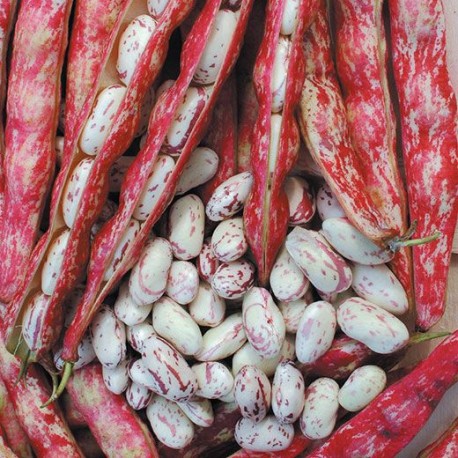 View larger
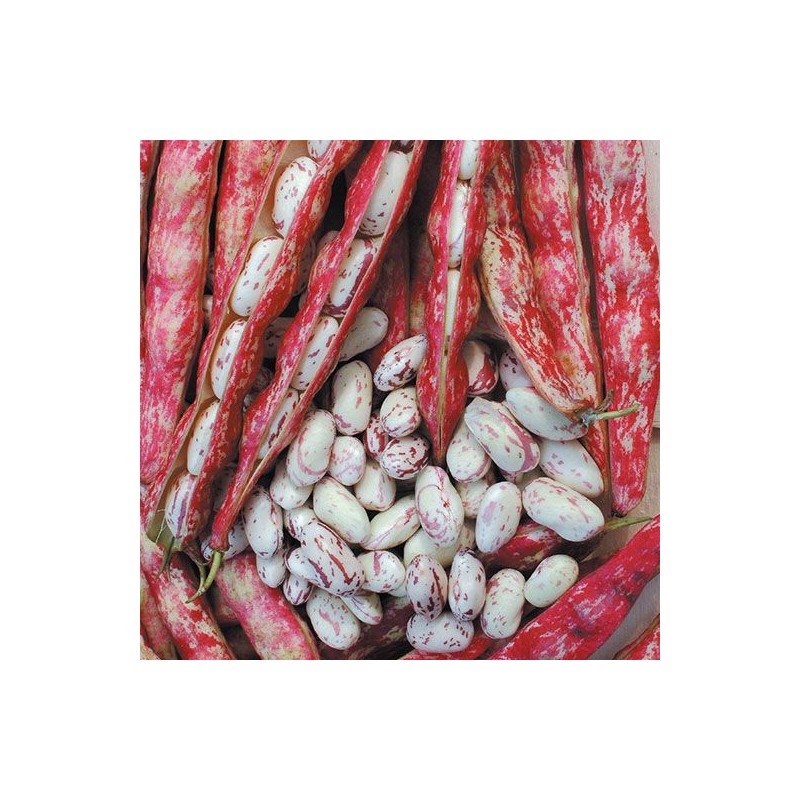
Ringo Climbing Borlotti Bean Seeds
New product
[Phaseolus vulgaris] Seeds of a vigorous climbing borlotti bean with classic red-and-cream pods and high yield.
100 Items
More info
- Ringo Climbing Borlotti Bean
- The Ringo Climbing Borlotti Bean Plant
- How to Sow Ringo Climbing Borlotti Bean
- How to Grow Ringo Climbing Borlotti Bean
- Tips for Growing Ringo Climbing Borlotti Bean
- Diseases and Pests of Ringo Climbing Borlotti Bean
- Properties of Ringo Climbing Borlotti Bean
- Nutritional Values of Ringo Climbing Borlotti Bean (per 100 g)
Ringo Climbing Borlotti Bean
Ringo climbing borlotti bean is a climbing shell bean variety with the classic red and cream streaked pod, offering a higher yield than dwarf types thanks to its vigorous habit. A staple of Italian tradition, excellent fresh or dried.
The Ringo climbing borlotti bean Plant
Botanically it is a Phaseolus vulgaris, part of the Fabaceae family, in its climbing form which can exceed 2 meters in height. The wide, red-mottled pods on a cream background develop abundantly all along the stem, with equally speckled seeds.
It is a vigorous, highly productive plant, able to provide abundant harvests for both fresh consumption and dry storage.
How to Sow Ringo climbing borlotti bean
Sowing takes place from May to June, next to already-prepared supports, placing seeds 3-4 cm deep, 3-4 seeds per pole, with poles spaced 45-50 cm apart.
How to Grow Ringo climbing borlotti bean
It needs stakes at least 2 meters tall and fertile, well-drained soil with balanced fertilization favoring phosphorus and potassium. Regular watering during flowering and pod set is key for a good seed yield.
For fresh consumption, harvest happens about 75-80 days after sowing, while for dried production you need to wait for the pods to fully dry on the plant, generally another 3-4 weeks.
Tips for Growing Ringo climbing borlotti bean
Supports should be set up before sowing to guide growth from the start. For dry storage it's important to pick pods only after they've fully dried on the plant, to avoid mold during storage.
Diseases and Pests of Ringo climbing borlotti bean
The most common threats are anthracnose, bean rust and the bean weevil during storage. Crop rotation, good ventilation between climbing plants and storage in airtight containers reduce the risks.
Properties of Ringo climbing borlotti bean
Dried borlotti beans are rich in plant protein, fiber and iron, with a good supply of folate and potassium. They are an important source of plant protein, ideal for those following a vegetarian or vegan diet.
Nutritional Values of Ringo climbing borlotti bean (per 100 g, dried)
- Calories: 314 kcal
- Protein: 21 g
- Fat: 1.2 g
- Carbohydrates: 52 g
- Fiber: 15 g
- Iron: 5.5 mg
- Potassium: 1160 mg