

No products
Carrot seeds
-
Semi ortaggi
-
Summer vegetables seeds
- Garlic seeds
- Watermelon seeds
- Asparagus seeds
- Chili seeds
- Beet seeds
- Basil seeds
- Chard seeds
- Cabbage seeds
- Onion seeds
- Carrot seeds
- artichoke seeds
- Cucumber seeds
- Strawberry seeds
- Bean and green bean seeds
- Broad bean seeds
- Lettuce seeds
- Corn seed
- Eggplant seeds
- Melon seeds
- Okra seeds
- Tomato seeds
- Pea seeds
- Leek seeds
- Pepper seeds
- Radish seeds
- Arugula seeds
- Shallot seeds
- Celery seeds
- Spinach seeds
- Valerian seeds
- Pumpkin seeds
- Courgette seeds
-
Winter vegetables seeds
- broccoli seeds
- cauliflower seeds
- semi di cavolo
- fennel seeds
- Semi di lattuga
- chicory seeds
- Radicchio seeds
- Rocket seeds
- Chard and Beet Seeds
- Escarole Seeds
- Onion Seeds
- Basil Seeds
- Chard Seeds
- Artichoke Seeds
- Carrot Seeds
- Cucumber Seeds
- Bean Seeds
- Endive Seeds
- Leek Seeds
- Parsley Seeds
- Celery Seeds
- Spinach Seeds
- Valerian Seeds
-
Summer vegetables seeds
- Peperoncino secco
- Peperoncino in polvere
- Semi piante aromatiche
- Prati e tappeti erbosi
- Semi fiori ornamentali
- Fertilizzanti
- Fertilizzante solido
- Spezie
- eBook
- Bulbi
- Starter kit / Micro orto
- Idea regalo / Bomboniere
- Patate e tuberi da semina
- Buoni regalo digitali
- TEST posizioni
 View larger
Maestro Carrot Seeds
New product
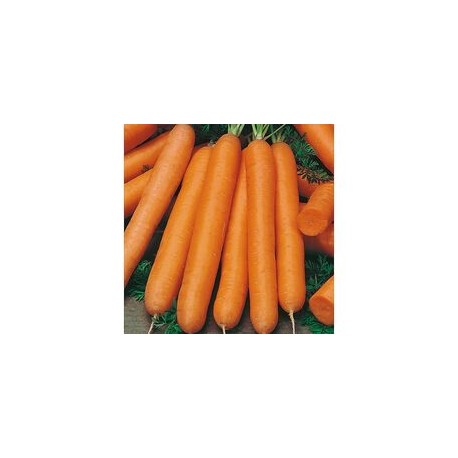
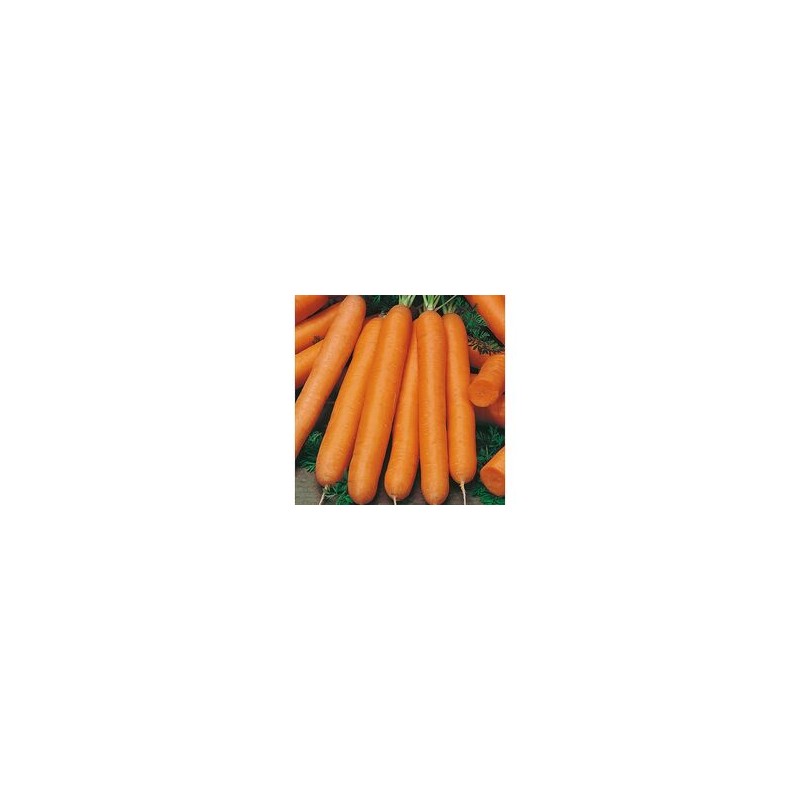
[Daucus carota] Maestro carrot seeds, a Nantes-type variety with a smooth, uniform, bright orange root and a medium-late growth cycle, ideal for fresh use and storage.
89 Items
More info
- Maestro Carrot
- The Maestro Carrot Plant
- How to Sow Maestro Carrot
- How to Grow Maestro Carrot
- Tips for Maestro Carrot
- Diseases and Pests of Maestro Carrot
- Properties of Maestro Carrot
- Nutritional Values of Maestro Carrot
Maestro Carrot
The Maestro carrot belongs to the Nantes group, recognisable by its cylindrical root with a rounded tip. It is a variety highly valued by growers for its smooth, uniform root with a bright orange colour, suitable both for fresh consumption and for storage. Its growth cycle is medium-late, allowing harvest to be staggered compared to earlier varieties and producing well-developed, sweet roots.
The Maestro Carrot Plant
Daucus carota is a biennial herbaceous plant of the Apiaceae family, the same as celery, parsley and fennel. In its first year it develops a rosette of pinnate, medium green leaves of moderate but fairly dense height, and a taproot that accumulates sugars and carotenoids. Only if left in the ground into the second year does the plant flower and produce seed. In the Maestro variety the foliage attachment is fine yet sturdy, a trait that makes bunch harvesting easier.
How to Sow Maestro Carrot
Maestro carrot is sown directly in the open field, since the species does not tolerate transplanting well due to its taproot. The ideal period runs from March to June, in deeply worked, loose soil free of stones or compact clods that could deform the root. Seeds should be buried about 0.5-1 cm deep, in rows spaced 20-25 cm apart, keeping the soil consistently moist until germination, which usually takes 2-3 weeks.
How to Grow Maestro Carrot
Once seedlings emerge, thinning is necessary, leaving about 5-8 cm between plants so the root can develop without competition. Maestro carrot prefers full sun and well-draining, slightly sandy soil with a pH between 6 and 7. Watering should be regular but moderate, avoiding waterlogging that could cause root rot. Thanks to its medium-late cycle, harvest generally takes place between 90 and 120 days after sowing.
Tips for Maestro Carrot
To obtain smooth, well-coloured roots it is important to avoid excessive nitrogen fertilisation, which favours leaf growth at the expense of the root, and instead use well-rotted manure or compost during soil preparation. Crop rotation is essential: after carrots, avoid other umbellifers and prefer legumes or solanaceous crops. Good companion plants include onion, leek, peas and lettuce.
Diseases and Pests of Maestro Carrot
Maestro carrot shows good tolerance to root silvering and to various physiological disorders linked to water imbalance. Among the most troublesome pests remains the carrot fly, which lays its eggs near the crown: the larvae tunnel into the root, causing forking and rot. Common fungal diseases include alternaria leaf blight and powdery mildew, best kept under control with proper rotation and good soil drainage.
Properties of Maestro Carrot
Like all carrots, the Maestro variety is rich in beta-carotene, a precursor of vitamin A, essential for eyesight, skin and the immune system. It also contains good amounts of fibre, potassium and vitamin C, elements that support intestinal regularity and overall wellbeing. Regular carrot consumption is traditionally associated with benefits for eyesight and skin health.
Nutritional Values of Maestro Carrot
| Per 100 g | Amount |
|---|---|
| Energy | 41 kcal |
| Carbohydrates | 9.6 g |
| Fibre | 2.8 g |
| Protein | 0.9 g |
| Vitamin A | 835 µg (beta-carotene) |
| Potassium | 320 mg |