

No products
cauliflower seeds
-
Semi ortaggi
-
Summer vegetables seeds
- Garlic seeds
- Watermelon seeds
- Asparagus seeds
- Chili seeds
- Beet seeds
- Basil seeds
- Chard seeds
- Cabbage seeds
- Onion seeds
- Carrot seeds
- artichoke seeds
- Cucumber seeds
- Strawberry seeds
- Bean and green bean seeds
- Broad bean seeds
- Lettuce seeds
- Corn seed
- Eggplant seeds
- Melon seeds
- Okra seeds
- Tomato seeds
- Pea seeds
- Leek seeds
- Pepper seeds
- Radish seeds
- Arugula seeds
- Shallot seeds
- Celery seeds
- Spinach seeds
- Valerian seeds
- Pumpkin seeds
- Courgette seeds
-
Winter vegetables seeds
- broccoli seeds
- cauliflower seeds
- semi di cavolo
- fennel seeds
- Semi di lattuga
- chicory seeds
- Radicchio seeds
- Rocket seeds
- Chard and Beet Seeds
- Escarole Seeds
- Onion Seeds
- Basil Seeds
- Chard Seeds
- Artichoke Seeds
- Carrot Seeds
- Cucumber Seeds
- Bean Seeds
- Endive Seeds
- Leek Seeds
- Parsley Seeds
- Celery Seeds
- Spinach Seeds
- Valerian Seeds
-
Summer vegetables seeds
- Peperoncino secco
- Peperoncino in polvere
- Semi piante aromatiche
- Prati e tappeti erbosi
- Semi fiori ornamentali
- Fertilizzanti
- Fertilizzante solido
- Spezie
- eBook
- Bulbi
- Starter kit / Micro orto
- Idea regalo / Bomboniere
- Patate e tuberi da semina
- Buoni regalo digitali
 View larger
Candid White Cauliflower
New product
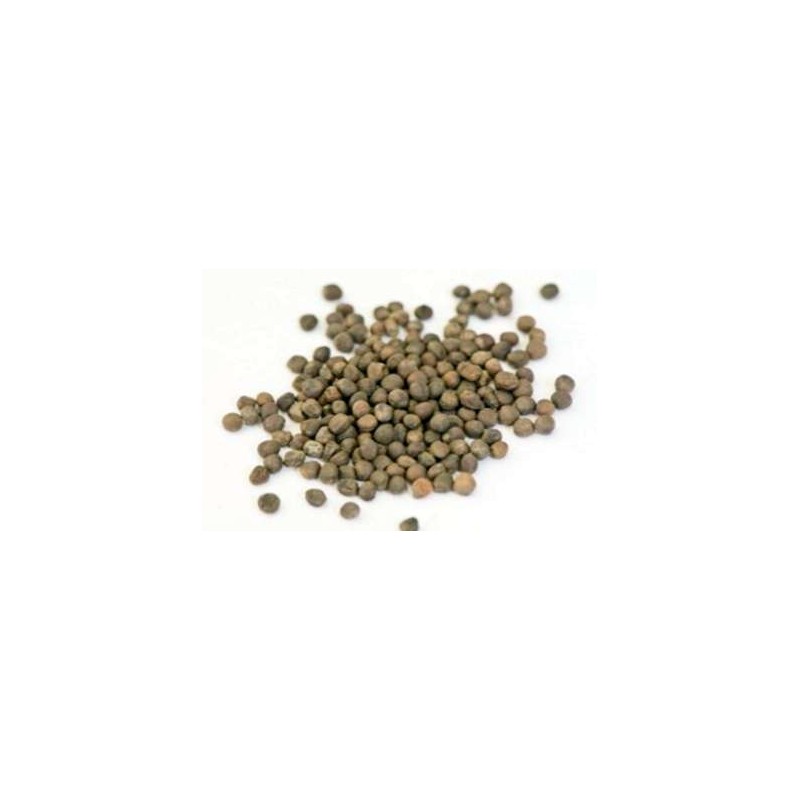
[Brassica oleracea var. botrytis] Candid white cauliflower seeds, prized for its pure white, tightly packed curd and reliable, uniform yield.
100 Items
More info
- Candid White Cauliflower
- The candid white cauliflower plant
- How to Sow Candid White Cauliflower
- How to Grow Candid White Cauliflower
- Tips for Growing Candid White Cauliflower
- Diseases and Pests of Candid White Cauliflower
- Properties of Candid White Cauliflower
- Nutritional Values of Candid White Cauliflower
Candid White Cauliflower
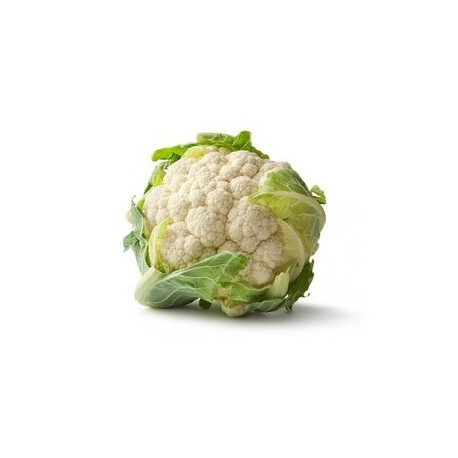
Candid White Cauliflower stands out for its pure white curd, compact and well protected by its wrapper leaves. It is among the most sought-after types on the market, prized for its smooth, tight texture and its round, heavy, even head, the result of years of varietal selection.
The candid white cauliflower plant
Candid White Cauliflower has an upright, vigorous habit, with foliage that covers the curd well, shielding it from direct sun and keeping its characteristic white colour intact. The curd is made up of tightly packed, regular, compact florets, with a well-closed base that ensures commercial quality.
How to Sow Candid White Cauliflower
Transplanting usually takes place from June to September, depending on the desired harvest period. The growing cycle ranges from 60 to 110 days from transplanting depending on the variety and season, allowing staggered sowings to keep cauliflower available for much of the year.
How to Grow Candid White Cauliflower
Candid White Cauliflower prefers medium-textured soil, with a pH around 6.5-6.8, and needs regular, frequent watering to maintain good water balance throughout the cycle. Drip irrigation is recommended, as it reduces wetting of the foliage and limits disease risks linked to excess humidity.
Tips for Growing Candid White Cauliflower
To preserve the curd's pure white colour, it helps to tie the outer leaves over the curd for protection, a technique also useful against frost in autumn-winter crops. Harvest when the florets are still tightly closed and compact, cutting the plant at the collar and leaving a few protective leaves.
Diseases and Pests of Candid White Cauliflower
Like other Brassicas, candid white cauliflower can be affected by large and small cabbage white caterpillars, which cause typical leaf damage, as well as aphids and flea beetle in the early growth stages. Good crop rotation and constant plant monitoring are the most effective defences against these pests.
Properties of Candid White Cauliflower
Candid White Cauliflower is a low-calorie but highly nutritious vegetable, rich in vitamin C, fibre and minerals. Known since the time of the ancient Egyptians, it lends itself to many preparations: gratinated, battered and fried, baked, or simply boiled and dressed with oil and salt.
Nutritional Values of Candid White Cauliflower
| Value per 100g | Amount |
|---|---|
| Energy | 25 kcal |
| Protein | 1.9 g |
| Carbohydrates | 2.3 g |
| Fibre | 2.4 g |
| Vitamin C | 48 mg |