

No products
Chard seeds
-
Semi ortaggi
-
Summer vegetables seeds
- Garlic seeds
- Watermelon seeds
- Asparagus seeds
- Chili seeds
- Beet seeds
- Basil seeds
- Chard seeds
- Cabbage seeds
- Onion seeds
- Carrot seeds
- artichoke seeds
- Cucumber seeds
- Strawberry seeds
- Bean and green bean seeds
- Broad bean seeds
- Lettuce seeds
- Corn seed
- Eggplant seeds
- Melon seeds
- Okra seeds
- Tomato seeds
- Pea seeds
- Leek seeds
- Pepper seeds
- Radish seeds
- Arugula seeds
- Shallot seeds
- Celery seeds
- Spinach seeds
- Valerian seeds
- Pumpkin seeds
- Courgette seeds
-
Winter vegetables seeds
- broccoli seeds
- cauliflower seeds
- semi di cavolo
- fennel seeds
- Semi di lattuga
- chicory seeds
- Radicchio seeds
- Rocket seeds
- Chard and Beet Seeds
- Escarole Seeds
- Onion Seeds
- Basil Seeds
- Chard Seeds
- Artichoke Seeds
- Carrot Seeds
- Cucumber Seeds
- Bean Seeds
- Endive Seeds
- Leek Seeds
- Parsley Seeds
- Celery Seeds
- Spinach Seeds
- Valerian Seeds
-
Summer vegetables seeds
- Peperoncino secco
- Peperoncino in polvere
- Semi piante aromatiche
- Prati e tappeti erbosi
- Semi fiori ornamentali
- Fertilizzanti
- Fertilizzante solido
- Spezie
- eBook
- Bulbi
- Starter kit / Micro orto
- Idea regalo / Bomboniere
- Patate e tuberi da semina
- Buoni regalo digitali
- TEST posizioni
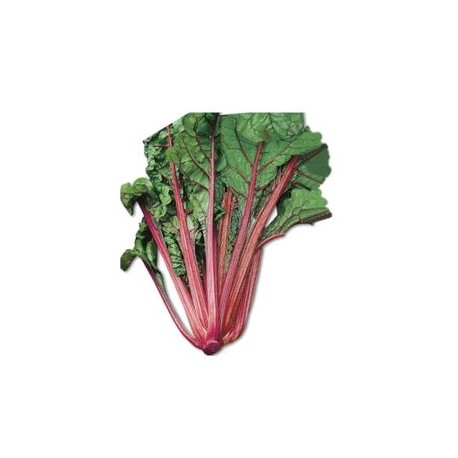 View larger
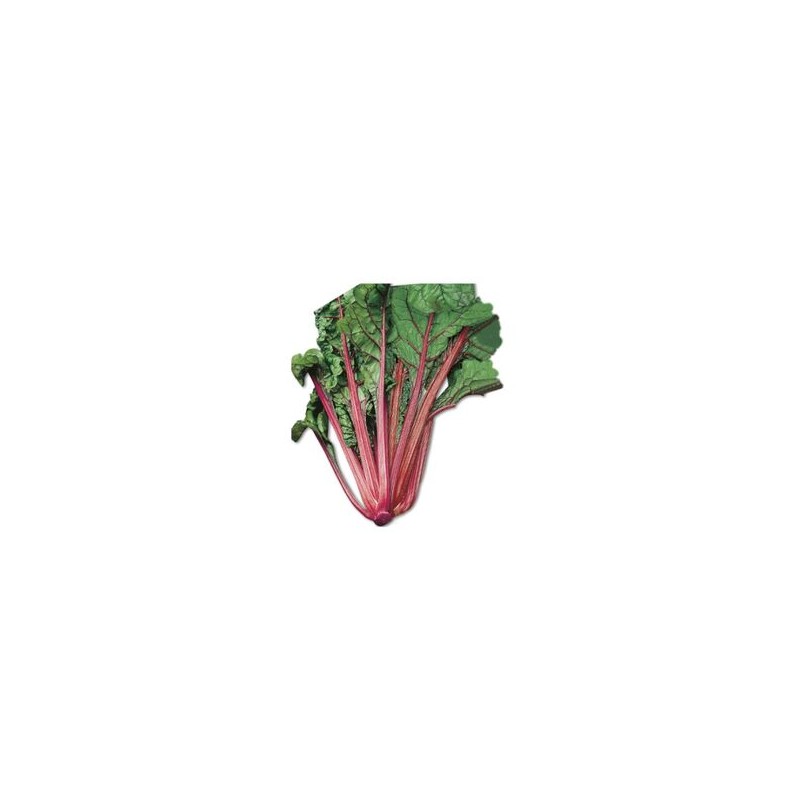
Red Beetroot Seeds
New product
[Beta vulgaris] Seeds of red beetroot, a hardy root vegetable with sweet, deep red flesh, ideal for the home garden.
99 Items
More info
- Red Beetroot
- The Red Beetroot Plant
- How to Sow Red Beetroot
- How to Grow Red Beetroot
- Tips for Growing Red Beetroot
- Diseases and Pests of Red Beetroot
- Properties of Red Beetroot
- Nutritional Values of Red Beetroot (per 100 g)
Red Beetroot
The red beetroot, also known as garden beet, is a root vegetable with a characteristic red-purple color, valued both for its sweet taste and for its nutritional properties. The fleshy, globe-shaped root matures beneath a tuft of green leaves often tinged with red.
The red beetroot Plant
Botanically it is a Beta vulgaris var. conditiva, part of the Amaranthaceae family (formerly Chenopodiaceae). The plant forms a fleshy, globe-shaped or slightly flattened root, with flesh ranging from zoned pink to deep red, and leaves with long stalks, a smooth blade and green color often streaked with red.
It is a hardy and resilient species, with good cold tolerance, although growth stops below 5°C.
How to Sow red beetroot
Sowing takes place from February to July, depending on the variety and climate: in spring for early varieties with a summer harvest, in summer for late varieties with an autumn-winter harvest. Seeds should be buried about 1.5-2 cm deep, in rows 25-40 cm apart, thinning plants to about 30 cm along the row.
How to Grow red beetroot
This species favors loose, deep, well-worked soil rich in well-decomposed organic matter: avoid fresh manure at sowing time, preferring soil where organic fertilization was applied to the previous crop. It is important to keep the soil free of weeds with regular hoeing.
Harvest usually takes place 60 to 90 days after sowing, once the root has reached a diameter of 5-10 cm: beyond this size it tends to become tough and lose eating quality.
Tips for Growing red beetroot
It is advisable to avoid repeated cultivation on the same plot and on soil that has recently hosted other Chenopodiaceae, preferring rotation with nightshades, lettuces or legumes. A good potassium supply, including through wood ash, favors root development.
Diseases and Pests of red beetroot
Common threats include powdery mildew, downy mildew and leaf spot disease, favored by excess humidity and waterlogging: good soil drainage helps prevent them. Common pests include aphids, flea beetles and nematodes, manageable with regular monitoring and appropriate crop rotation.
Properties of red beetroot
The root of this beet has a high water content, around 90%, and a modest calorie content. It is a good source of minerals, particularly potassium, as well as folate and antioxidants. It is traditionally associated with benefits for the heart, liver and vascular system.
Nutritional Values of red beetroot (per 100 g)
- Calories: 43 kcal
- Protein: 1.6 g
- Fat: 0.2 g
- Carbohydrates: 9.6 g
- Fiber: 2.8 g
- Folate: 109 mcg
- Potassium: 325 mg