

No products
Chard seeds
-
Semi ortaggi
-
Summer vegetables seeds
- Garlic seeds
- Watermelon seeds
- Asparagus seeds
- Chili seeds
- Beet seeds
- Basil seeds
- Chard seeds
- Cabbage seeds
- Onion seeds
- Carrot seeds
- artichoke seeds
- Cucumber seeds
- Strawberry seeds
- Bean and green bean seeds
- Broad bean seeds
- Lettuce seeds
- Corn seed
- Eggplant seeds
- Melon seeds
- Okra seeds
- Tomato seeds
- Pea seeds
- Leek seeds
- Pepper seeds
- Radish seeds
- Arugula seeds
- Shallot seeds
- Celery seeds
- Spinach seeds
- Valerian seeds
- Pumpkin seeds
- Courgette seeds
-
Winter vegetables seeds
- broccoli seeds
- cauliflower seeds
- semi di cavolo
- fennel seeds
- Semi di lattuga
- chicory seeds
- Radicchio seeds
- Rocket seeds
- Chard and Beet Seeds
- Escarole Seeds
- Onion Seeds
- Basil Seeds
- Chard Seeds
- Artichoke Seeds
- Carrot Seeds
- Cucumber Seeds
- Bean Seeds
- Endive Seeds
- Leek Seeds
- Parsley Seeds
- Celery Seeds
- Spinach Seeds
- Valerian Seeds
-
Summer vegetables seeds
- Peperoncino secco
- Peperoncino in polvere
- Semi piante aromatiche
- Prati e tappeti erbosi
- Semi fiori ornamentali
- Fertilizzanti
- Fertilizzante solido
- Spezie
- eBook
- Bulbi
- Starter kit / Micro orto
- Idea regalo / Bomboniere
- Patate e tuberi da semina
- Buoni regalo digitali
- TEST posizioni
 View larger
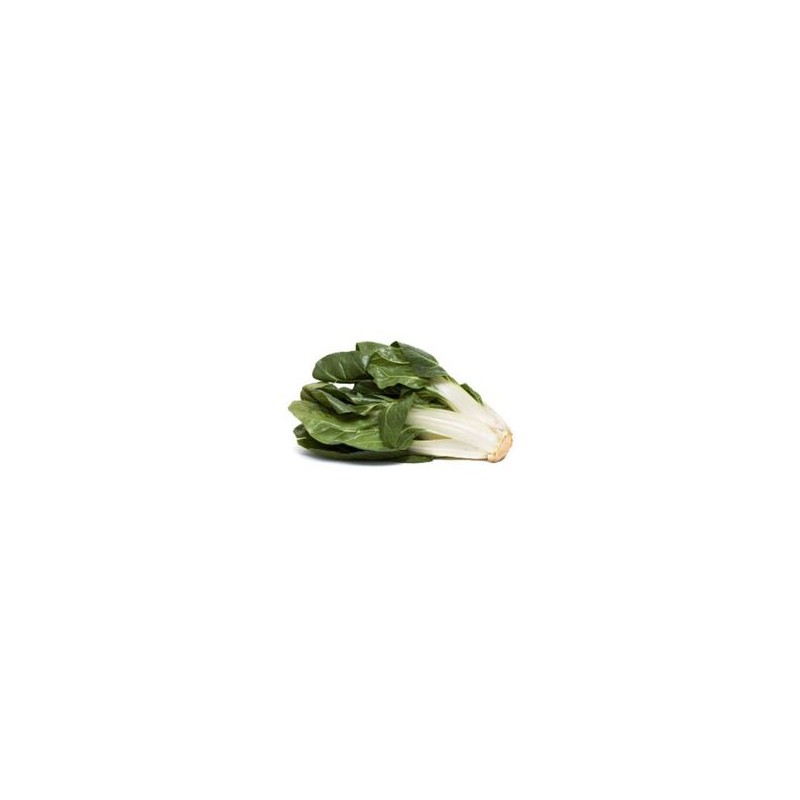
Swiss Chard Seeds
New product
[Beta vulgaris var. cicla] Seeds of Swiss chard, valued for its fleshy pale stalk and bright green leaf, easy to grow in the home garden.
100 Items
More info
- Swiss Chard
- The Swiss Chard Plant
- How to Sow Swiss Chard
- How to Grow Swiss Chard
- Tips for Growing Swiss Chard
- Diseases and Pests of Swiss Chard
- Properties of Swiss Chard
- Nutritional Values of Swiss Chard (per 100 g)
Swiss Chard
Swiss chard, also known as leaf beet or ribbed chard, is a vegetable recognizable by its fleshy, pale-colored stalk and its wide, bright green leaf. Grown for both its stalk and leaves, it lends itself to many kitchen uses, from soups to sauteed side dishes.
The Swiss chard Plant
Botanically it is a Beta vulgaris var. cicla, part of the Amaranthaceae family (formerly Chenopodiaceae). The plant forms large, deep green leaves arranged in a rosette, with wide, fleshy and tender ribs that can reach 15-20 cm in length.
It is a biennial species but is grown as an annual in home gardens, since the green part of the plant is what matters, rather than the root.
How to Sow Swiss chard
Sowing takes place from March to August, placing 2-3 seeds per station at intervals of 35-40 cm along the row, at about 1.5-2 cm deep. As soon as the seedlings can be handled, they should be thinned to one per station. Harvest takes place about 50 days after sowing.
How to Grow Swiss chard
This species favors medium-textured, cool, deep soil rich in organic matter and nitrogen, with a pH between 7 and 7.5, avoiding waterlogging which favors rot. It grows well in a temperate climate, between 15 and 24°C, but is sensitive to both frost and excessive heat.
By progressively removing only the outer leaves during the harvest period, instead of cutting the whole plant, it is possible to enjoy fresh chard throughout summer, autumn and part of winter.
Tips for Growing Swiss chard
It is advisable not to grow chard on the same plot where it was grown the previous year, alternating it with dwarf beans, onions, lettuce or cabbages. Repeated hoeing helps control weeds, while mulching between rows with straw or dry grass clippings helps retain soil moisture.
Diseases and Pests of Swiss chard
Swiss chard generally does not present major pest problems, especially in mountain areas; at lower elevations it can be attacked by aphids, while in humid, cool seasons the leaves can be affected by powdery mildew, treatable with sulfur powder. Rust is also among the main threats.
Properties of Swiss chard
The leaves and stalks of this vegetable have a very low calorie content and a notable supply of vitamins and iron. The flavor is less acidic and sweeter than spinach, of which it represents an excellent alternative, even on less rich soils.
Nutritional Values of Swiss chard (per 100 g)
- Calories: 19 kcal
- Protein: 1.8 g
- Fat: 0.2 g
- Carbohydrates: 3.7 g
- Fiber: 1.6 g
- Iron: 1.8 mg
- Vitamin A: 306 mcg