

No products
chicory seeds
-
Semi ortaggi
-
Summer vegetables seeds
- Garlic seeds
- Watermelon seeds
- Asparagus seeds
- Chili seeds
- Beet seeds
- Basil seeds
- Chard seeds
- Cabbage seeds
- Onion seeds
- Carrot seeds
- artichoke seeds
- Cucumber seeds
- Strawberry seeds
- Bean and green bean seeds
- Broad bean seeds
- Lettuce seeds
- Corn seed
- Eggplant seeds
- Melon seeds
- Okra seeds
- Tomato seeds
- Pea seeds
- Leek seeds
- Pepper seeds
- Radish seeds
- Arugula seeds
- Shallot seeds
- Celery seeds
- Spinach seeds
- Valerian seeds
- Pumpkin seeds
- Courgette seeds
-
Winter vegetables seeds
- broccoli seeds
- cauliflower seeds
- semi di cavolo
- fennel seeds
- Semi di lattuga
- chicory seeds
- Radicchio seeds
- Rocket seeds
- Chard and Beet Seeds
- Escarole Seeds
- Onion Seeds
- Basil Seeds
- Chard Seeds
- Artichoke Seeds
- Carrot Seeds
- Cucumber Seeds
- Bean Seeds
- Endive Seeds
- Leek Seeds
- Parsley Seeds
- Celery Seeds
- Spinach Seeds
- Valerian Seeds
-
Summer vegetables seeds
- Peperoncino secco
- Peperoncino in polvere
- Semi piante aromatiche
- Prati e tappeti erbosi
- Semi fiori ornamentali
- Fertilizzanti
- Fertilizzante solido
- Spezie
- eBook
- Bulbi
- Starter kit / Micro orto
- Idea regalo / Bomboniere
- Patate e tuberi da semina
- Buoni regalo digitali
- TEST posizioni
 View larger

Semi di Cicorione
New product
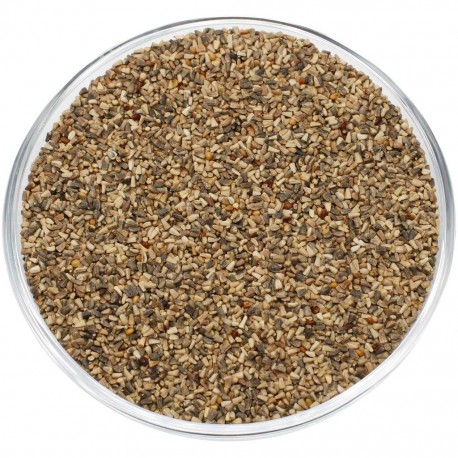
[Cichorium intybus] Cicorione (catalogna chicory) seeds, a highly productive Italian chicory variety with narrow green leaves and a pleasantly bitter taste.
99 Items
More info
- Cicorione (Catalogna Chicory)
- The cicorione Plant
- How to Sow cicorione
- How to Grow cicorione
- Tips for Growing cicorione
- Diseases and Pests of cicorione
- Properties and Nutritional Values
Cicorione (Catalogna Chicory)
Cicorione, also known as catalogna chicory or cone chicory, is a highly productive and versatile vegetable, traditionally grown in Central and Southern Italy. It thrives both in the garden and in open fields all year round, producing long, narrow leaves with a characteristic slightly bitter taste, much appreciated in traditional cooking for savoury pies or as an accompaniment to main dishes.
The cicorione Plant
It belongs to the species Cichorium intybus. The plant forms a compact, upright head with long, narrow leaves of intense green colour. In the early bolting stage, the head contains numerous small tender shoots, known locally as "ciccioli", from which puntarelle are obtained: cylindrical, fleshy stems highly prized in traditional Lazio cuisine.
How to Sow cicorione
Sowing is traditionally carried out in late summer, in seedbeds or directly in the open field, at a depth of about 1 cm. Seedlings should be thinned to a spacing of about 30 cm between rows and 20 cm along the row, to allow proper development of the head and central shoots.
How to Grow cicorione
During winter, the plant produces numerous shoots that should be cut at the base before they begin to toughen, encouraging new growth. It is a hardy, undemanding vegetable that adapts well to different soil types; it nevertheless prefers soil rich in organic matter and well-drained, with regular but moderate watering to avoid waterlogging.
Tips for Growing cicorione
To obtain tender, non-fibrous shoots, it is important to cut the puntarelle as soon as they reach the ideal size, before the central fibre becomes too tough. Traditional preparation involves cutting and stripping the fibre, which produces the characteristic curling typical of puntarelle eaten raw.
Diseases and Pests of cicorione
It is generally a hardy, resistant plant, but can be affected by aphids and slugs, especially during the early growth stages. Excessive humidity can encourage leaf rot: good airflow between plants and well-drained soil are the best preventive measures.
Properties and Nutritional Values
Like all chicory varieties, it is rich in minerals, B vitamins and vitamin C, with recognised depurative and digestive properties thanks to its bitter compounds. The leaves and shoots are eaten both raw in salads, traditionally dressed with oil, garlic and anchovies in the Roman style, and cooked for soups, stews and savoury pies.
| Average nutritional values (100 g) | |
|---|---|
| Energy | 23 kcal |
| Protein | 1.7 g |
| Carbohydrates | 4.7 g |
| Fibre | 1.4 g |
| Vitamin C | 24 mg |
| Potassium | 290 mg |