

No products
chicory seeds
-
Semi ortaggi
-
Summer vegetables seeds
- Garlic seeds
- Watermelon seeds
- Asparagus seeds
- Chili seeds
- Beet seeds
- Basil seeds
- Chard seeds
- Cabbage seeds
- Onion seeds
- Carrot seeds
- artichoke seeds
- Cucumber seeds
- Strawberry seeds
- Bean and green bean seeds
- Broad bean seeds
- Lettuce seeds
- Corn seed
- Eggplant seeds
- Melon seeds
- Okra seeds
- Tomato seeds
- Pea seeds
- Leek seeds
- Pepper seeds
- Radish seeds
- Arugula seeds
- Shallot seeds
- Celery seeds
- Spinach seeds
- Valerian seeds
- Pumpkin seeds
- Courgette seeds
-
Winter vegetables seeds
- broccoli seeds
- cauliflower seeds
- semi di cavolo
- fennel seeds
- Semi di lattuga
- chicory seeds
- Radicchio seeds
- Rocket seeds
- Chard and Beet Seeds
- Escarole Seeds
- Onion Seeds
- Basil Seeds
- Chard Seeds
- Artichoke Seeds
- Carrot Seeds
- Cucumber Seeds
- Bean Seeds
- Endive Seeds
- Leek Seeds
- Parsley Seeds
- Celery Seeds
- Spinach Seeds
- Valerian Seeds
-
Summer vegetables seeds
- Peperoncino secco
- Peperoncino in polvere
- Semi piante aromatiche
- Prati e tappeti erbosi
- Semi fiori ornamentali
- Fertilizzanti
- Fertilizzante solido
- Spezie
- eBook
- Bulbi
- Starter kit / Micro orto
- Idea regalo / Bomboniere
- Patate e tuberi da semina
- Buoni regalo digitali
- TEST posizioni
 View larger
Extra-Early Sugarloaf Chicory Seeds
New product
[Cichorium intybus var. foliosum] Extra-early sugarloaf chicory seeds, ready in just 80 days for compact, tender-hearted heads ahead of the main season.
100 Items
More info
- Extra-Early Sugarloaf Chicory
- The extra-early sugarloaf chicory Plant
- How to Sow Extra-Early Sugarloaf Chicory
- How to Grow Extra-Early Sugarloaf Chicory
- Tips for Growing Extra-Early Sugarloaf Chicory
- Diseases and Pests of Extra-Early Sugarloaf Chicory
- Properties and Nutritional Values
Extra-Early Sugarloaf Chicory
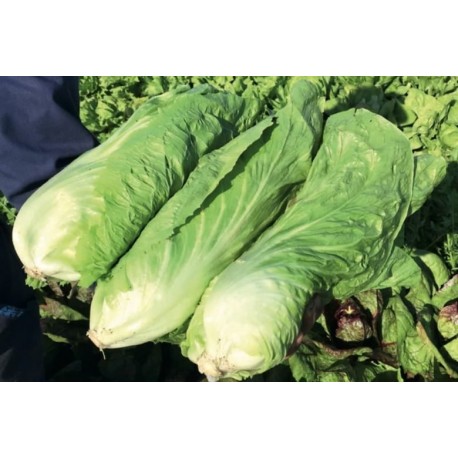
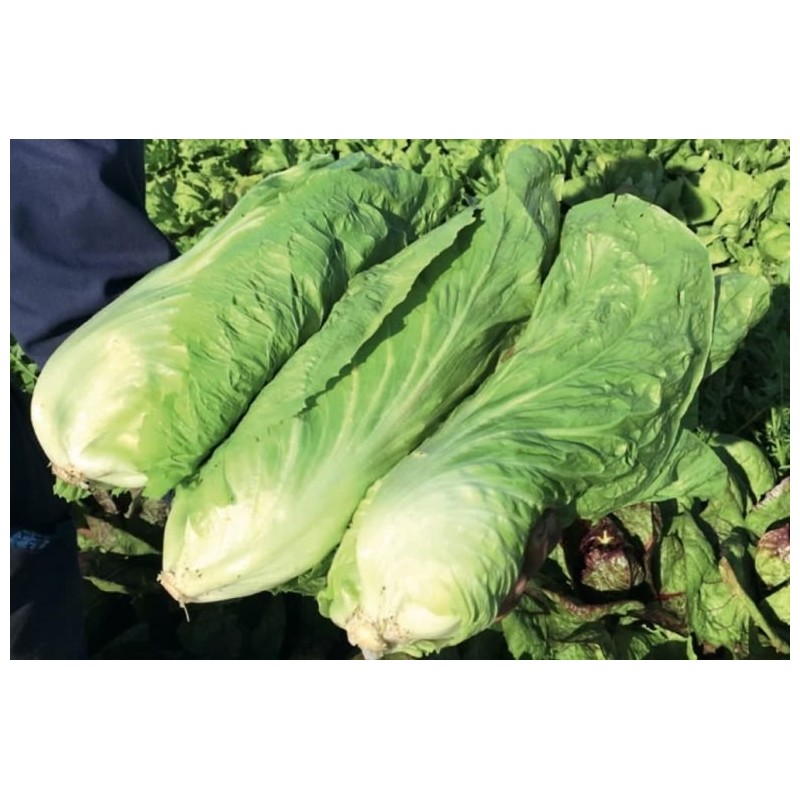
The extra-early sugarloaf chicory is the fastest selection of the famous variety also known as "Milan chicory", bred for gardeners wanting to bring the harvest forward compared to mid-season and late types. With a cycle of about 80 days from transplanting, it forms cylindrical, compact and voluminous heads with the characteristic white, tender heart.
The extra-early sugarloaf chicory Plant
It belongs to the species Cichorium intybus var. foliosum, family Asteraceae. At maturity the head reaches an height of up to 40 cm and an average weight between 500 and 800 grams, very compact at the base and opening into a bouquet of leaves at the top. The leaves are broad, with entire and slightly wavy margins, pale green with prominent white longitudinal veins; the base has fleshy, crunchy white ribs.
How to Sow Extra-Early Sugarloaf Chicory
Thanks to its short cycle, sowing can take place from June to September, with staggered harvests from late summer through to late autumn. It is sown in seedbeds or directly in the open field, then thinned to about 30x30 cm spacing, corresponding to 10-20 plants per square metre.
How to Grow Extra-Early Sugarloaf Chicory
It prefers medium-textured, cool, well-drained soil rich in organic matter. It is a rustic and highly adaptable plant, with fair tolerance to both heat and low temperatures, though it dislikes persistent frost at sowing time. Watering should be kept regular, avoiding waterlogging, especially in the hottest months to prevent bolting.
Tips for Growing Extra-Early Sugarloaf Chicory
To make the most of this selection's earliness, it is useful to stagger sowings every 2-3 weeks for continuous harvests without gluts. Cutting the head slightly higher above the collar allows the plant to produce new regrowth, extending the harvest season.
Diseases and Pests of Extra-Early Sugarloaf Chicory
The most common issues are powdery mildew, downy mildew, rust and leaf spot among fungal diseases, plus collar rot in cases of waterlogging. Good crop rotation, avoiding following chicory with other composite crops, helps prevent these problems.
Properties and Nutritional Values
It has a low energy content, rich in minerals such as potassium and vitamins including provitamin A and vitamin C. The slightly bitter compounds it contains support liver and gallbladder function, making it a welcome salad even in controlled diets.
| Average nutritional values (100 g) | |
|---|---|
| Energy | 17 kcal |
| Protein | 1.0 g |
| Carbohydrates | 3.0 g |
| Fibre | 1.7 g |
| Vitamin C | 7 mg |
| Potassium | 260 mg |