

No products
Cucumber seeds
-
Semi ortaggi
-
Summer vegetables seeds
- Garlic seeds
- Watermelon seeds
- Asparagus seeds
- Chili seeds
- Beet seeds
- Basil seeds
- Chard seeds
- Cabbage seeds
- Onion seeds
- Carrot seeds
- artichoke seeds
- Cucumber seeds
- Strawberry seeds
- Bean and green bean seeds
- Broad bean seeds
- Lettuce seeds
- Corn seed
- Eggplant seeds
- Melon seeds
- Okra seeds
- Tomato seeds
- Pea seeds
- Leek seeds
- Pepper seeds
- Radish seeds
- Arugula seeds
- Shallot seeds
- Celery seeds
- Spinach seeds
- Valerian seeds
- Pumpkin seeds
- Courgette seeds
-
Winter vegetables seeds
- broccoli seeds
- cauliflower seeds
- semi di cavolo
- fennel seeds
- Semi di lattuga
- chicory seeds
- Radicchio seeds
- Rocket seeds
- Chard and Beet Seeds
- Escarole Seeds
- Onion Seeds
- Basil Seeds
- Chard Seeds
- Artichoke Seeds
- Carrot Seeds
- Cucumber Seeds
- Bean Seeds
- Endive Seeds
- Leek Seeds
- Parsley Seeds
- Celery Seeds
- Spinach Seeds
- Valerian Seeds
-
Summer vegetables seeds
- Peperoncino secco
- Peperoncino in polvere
- Semi piante aromatiche
- Prati e tappeti erbosi
- Semi fiori ornamentali
- Fertilizzanti
- Fertilizzante solido
- Spezie
- eBook
- Bulbi
- Starter kit / Micro orto
- Idea regalo / Bomboniere
- Patate e tuberi da semina
- Buoni regalo digitali
- TEST posizioni
 View larger
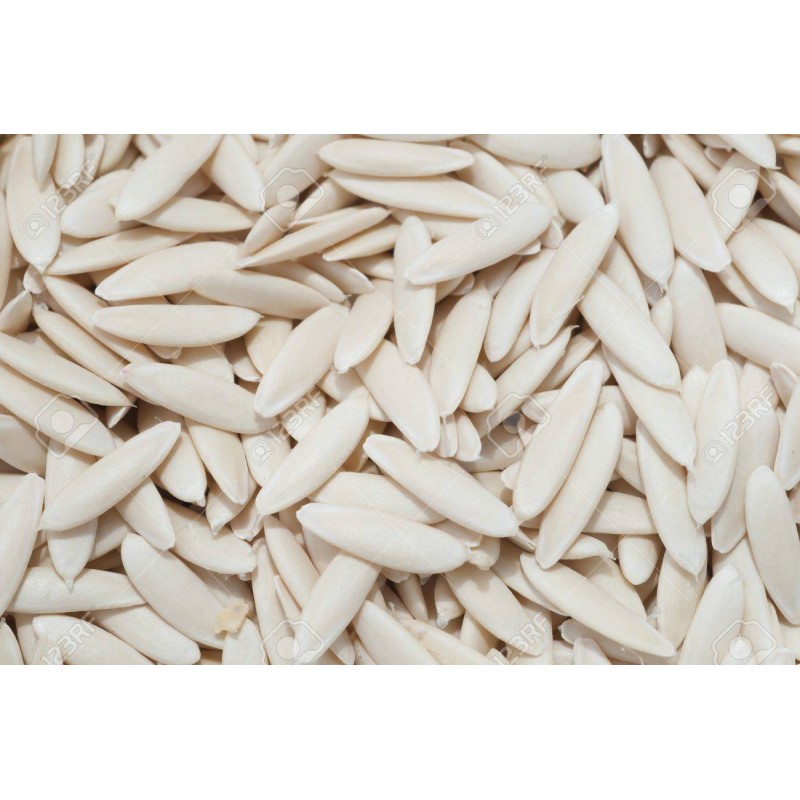
Barattiere Melon Cucumber Seeds
New product
[Cucumis melo] A traditional Apulian vegetable that looks like a melon but tastes like a cucumber, harvested unripe, crisp and very easy to digest.
99 Items
More info
Barattiere Melon Cucumber Seeds
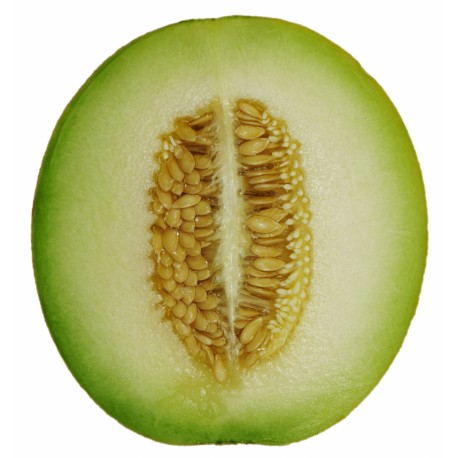
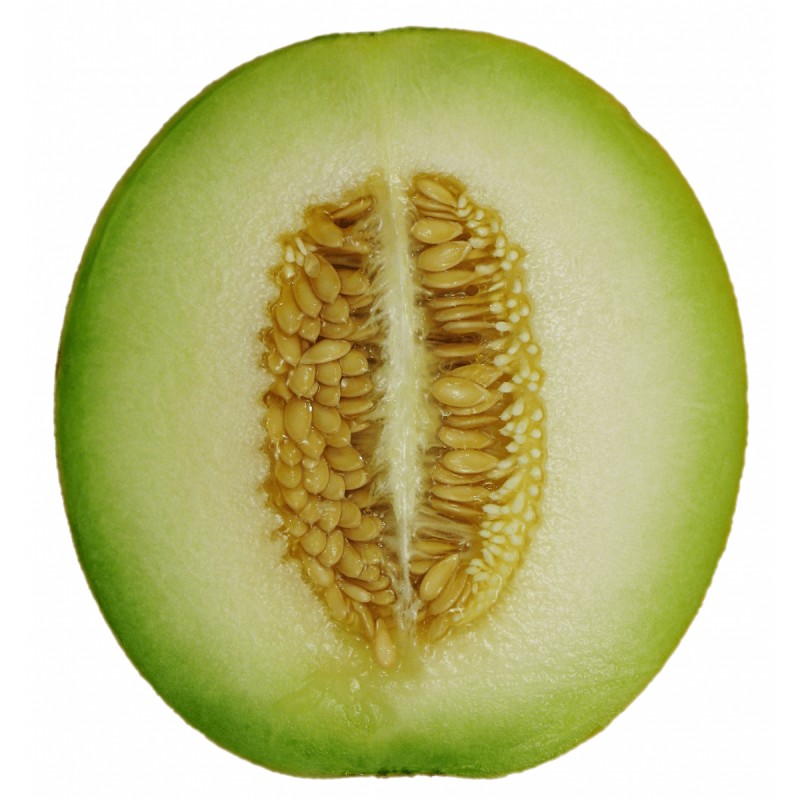
Barattiere (Cucumis melo L.) is a traditional Apulian vegetable, widely grown south of Bari, which botanically belongs to the melon species but is harvested and eaten while still unripe, just like a cucumber. The fruit, called a peponide, has a thin light green skin and crisp, slightly sweet flesh that is much easier to digest than a common cucumber.
The Barattiere Plant
It belongs to the Cucurbitaceae family, the same as melons, cucumbers and courgettes. It is an annual herbaceous plant with a trailing or climbing habit, with large, hairy leaves. The rounded or slightly elongated fruits generally weigh between 200 grams and over 1 kg, with 2-10 fruits produced per plant.
If left to ripen past the usual harvest stage, barattiere turns into a true melon with an intense fragrance and a pale yellow skin.
How to Sow Barattiere
Sow directly in the ground or in a pot, preferably from April to June, in light, moist, well-worked soil. Seeds should be spaced 3-4 times their diameter apart. After sowing, water gently with a fine spray, taking care not to disturb the seeds, and keep the soil constantly moist until germination.
How to Grow Barattiere
Barattiere prefers a sunny location and tolerates heavy and slightly saline soils well, adapting to the dry-farming techniques typical of some areas of Apulia. Watering should be kept regular during the early growth stages. Removing excess side shoots helps encourage more abundant production of the main fruits.
Growing Tips
Harvest is staggered and continues from late May through the end of summer: the best fruits for flavor and texture are those picked early, while still small and unripe. It's best not to leave too many fruits on the same plant, as this can affect overall quality.
Diseases and Pests
Like other cucurbits, barattiere can be affected by powdery mildew in conditions of poor air circulation and high humidity, as well as by aphids. Good spacing between plants and regular watering without waterlogging help prevent the main fungal issues.
Uses and Curiosities
Barattiere is traditionally eaten raw, sliced or bitten into, with a pinch of salt, as a side to first courses or in summer salads. It is a very low-calorie vegetable, rich in water, refreshing and particularly easy to digest thanks to the absence of cucurbitacin, the compound that gives common cucumbers their bitterness. In Apulia it is also known as carosello, with different dialect names depending on the area.
- Sowing: April-June
- Exposure: full sun
- Harvest: late May to end of summer
- Fruit weight: 200 g - over 1 kg
- Soil: light, well-drained, tolerates heavy soils
- Watering: regular, avoid waterlogging
- Recommended use: eaten raw in salads, garden and pot growing