

No products
Melon seeds
-
Semi ortaggi
-
Summer vegetables seeds
- Garlic seeds
- Watermelon seeds
- Asparagus seeds
- Chili seeds
- Beet seeds
- Basil seeds
- Chard seeds
- Cabbage seeds
- Onion seeds
- Carrot seeds
- artichoke seeds
- Cucumber seeds
- Strawberry seeds
- Bean and green bean seeds
- Broad bean seeds
- Lettuce seeds
- Corn seed
- Eggplant seeds
- Melon seeds
- Okra seeds
- Tomato seeds
- Pea seeds
- Leek seeds
- Pepper seeds
- Radish seeds
- Arugula seeds
- Shallot seeds
- Celery seeds
- Spinach seeds
- Valerian seeds
- Pumpkin seeds
- Courgette seeds
-
Winter vegetables seeds
- broccoli seeds
- cauliflower seeds
- semi di cavolo
- fennel seeds
- Semi di lattuga
- chicory seeds
- Radicchio seeds
- Rocket seeds
- Chard and Beet Seeds
- Escarole Seeds
- Onion Seeds
- Basil Seeds
- Chard Seeds
- Artichoke Seeds
- Carrot Seeds
- Cucumber Seeds
- Bean Seeds
- Endive Seeds
- Leek Seeds
- Parsley Seeds
- Celery Seeds
- Spinach Seeds
- Valerian Seeds
-
Summer vegetables seeds
- Peperoncino secco
- Peperoncino in polvere
- Semi piante aromatiche
- Prati e tappeti erbosi
- Semi fiori ornamentali
- Fertilizzanti
- Fertilizzante solido
- Spezie
- eBook
- Bulbi
- Starter kit / Micro orto
- Idea regalo / Bomboniere
- Patate e tuberi da semina
- Buoni regalo digitali
- TEST posizioni
 View larger
Francesino Melon Seeds
New product
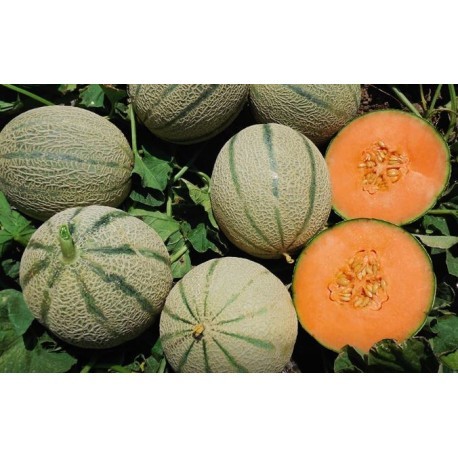
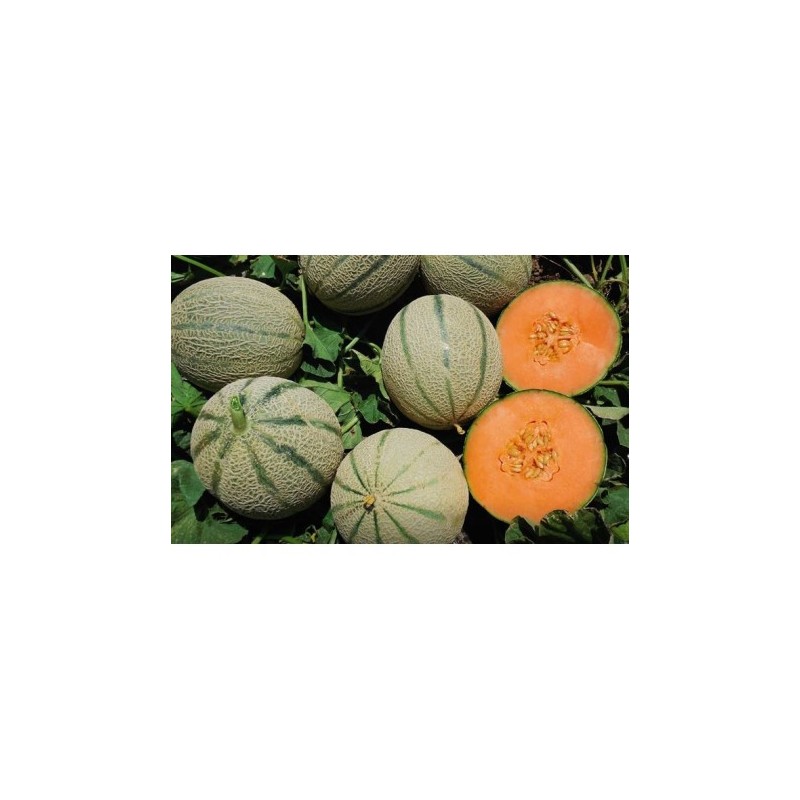
[Cucumis melo] Traditional Lazio smooth-skinned melon seeds, with soft sweet orange flesh — a Roman market classic, ideal for fresh summer consumption.
100 Items
More info
- Francesino melon
- The Francesino Melon Plant
- How to Sow Francesino Melon
- How to Grow Francesino Melon
- Tips for Francesino Melon
- Diseases and Pests of Francesino Melon
- Uses and Curiosities of Francesino Melon
- Properties of Francesino Melon
- Nutritional Values of Francesino Melon
Francesino Melon
The francesino melon is a type traditionally grown in Lazio, Italy, especially prized on the Rome market. It stands out for its smooth, light green skin, lacking the typical netting of cantaloupe melon, and for a soft, juicy, particularly sweet orange flesh.
The Francesino Melon Plant
Cucumis melo francesino type belongs to the Cucurbitaceae family. It is a creeping annual herbaceous plant, with hairy stems and branched tendrils that extend several metres. The fruits are round or slightly oval, with smooth light green skin turning yellow at full ripeness, and orange, tender, pasty flesh.
How to Sow Francesino Melon
Sowing takes place from March to April in a heated seedbed, transplanting seedlings in late April-May once frost risk is gone. In open field, direct sowing takes place from May, burying seeds 2-3 centimetres deep with soil temperatures above 18°C.
How to Grow Francesino Melon
Francesino melon requires fertile, well-drained soil rich in organic matter, in a sunny position sheltered from wind. It needs regular watering during vegetative growth and fruit-swelling, gradually reduced near ripening to concentrate sugars in the flesh.
Tips for Francesino Melon
Its thin, smooth skin makes it more delicate than netted melons, so it should be handled with care during harvest and transport. Ripeness is recognised by its characteristic intense fragrance and slight softening around the stem area. It is not suited to long storage, being intended for quick fresh consumption.
Diseases and Pests of Francesino Melon
Francesino melon can be subject to powdery mildew, downy mildew and Fusarium wilt, especially in conditions of high humidity or waterlogging. Common pests include aphids, whiteflies and spider mites. Given the thinness of the skin, particular attention should also be paid to post-harvest rot.
Uses and Curiosities of Francesino Melon
The name "francesino" (or "French cantaloupe") is said, according to local tradition, to derive from the introduction of this type in Italy through the town of Cantalupo in Lazio over the centuries. Among the best-known historic varieties are Comune and Prescott. It is traditionally eaten in slices as a starter or summer dessert, often paired with cured ham.
Properties of Francesino Melon
Composed of about 90% water, francesino melon is a very hydrating and thirst-quenching fruit, ideal during summer months. It provides good amounts of potassium and magnesium, useful for replenishing minerals lost through sweating, plus beta-carotene and vitamin C with antioxidant properties.
Nutritional Values of Francesino Melon
Per 100 grams of flesh, francesino melon provides about 33 kcal, 0.8 g protein, 7.6 g carbohydrates (of which sugars about 7 g), 0.2 g fat and 0.9 g fibre. It also has a good vitamin C content (about 25 mg) and potassium (about 260 mg), against a very low calorie intake.