

No products
Onion seeds
-
Semi ortaggi
-
Summer vegetables seeds
- Garlic seeds
- Watermelon seeds
- Asparagus seeds
- Chili seeds
- Beet seeds
- Basil seeds
- Chard seeds
- Cabbage seeds
- Onion seeds
- Carrot seeds
- artichoke seeds
- Cucumber seeds
- Strawberry seeds
- Bean and green bean seeds
- Broad bean seeds
- Lettuce seeds
- Corn seed
- Eggplant seeds
- Melon seeds
- Okra seeds
- Tomato seeds
- Pea seeds
- Leek seeds
- Pepper seeds
- Radish seeds
- Arugula seeds
- Shallot seeds
- Celery seeds
- Spinach seeds
- Valerian seeds
- Pumpkin seeds
- Courgette seeds
-
Winter vegetables seeds
- broccoli seeds
- cauliflower seeds
- semi di cavolo
- fennel seeds
- Semi di lattuga
- chicory seeds
- Radicchio seeds
- Rocket seeds
- Chard and Beet Seeds
- Escarole Seeds
- Onion Seeds
- Basil Seeds
- Chard Seeds
- Artichoke Seeds
- Carrot Seeds
- Cucumber Seeds
- Bean Seeds
- Endive Seeds
- Leek Seeds
- Parsley Seeds
- Celery Seeds
- Spinach Seeds
- Valerian Seeds
-
Summer vegetables seeds
- Peperoncino secco
- Peperoncino in polvere
- Semi piante aromatiche
- Prati e tappeti erbosi
- Semi fiori ornamentali
- Fertilizzanti
- Fertilizzante solido
- Spezie
- eBook
- Bulbi
- Starter kit / Micro orto
- Idea regalo / Bomboniere
- Patate e tuberi da semina
- Buoni regalo digitali
- TEST posizioni
 View larger
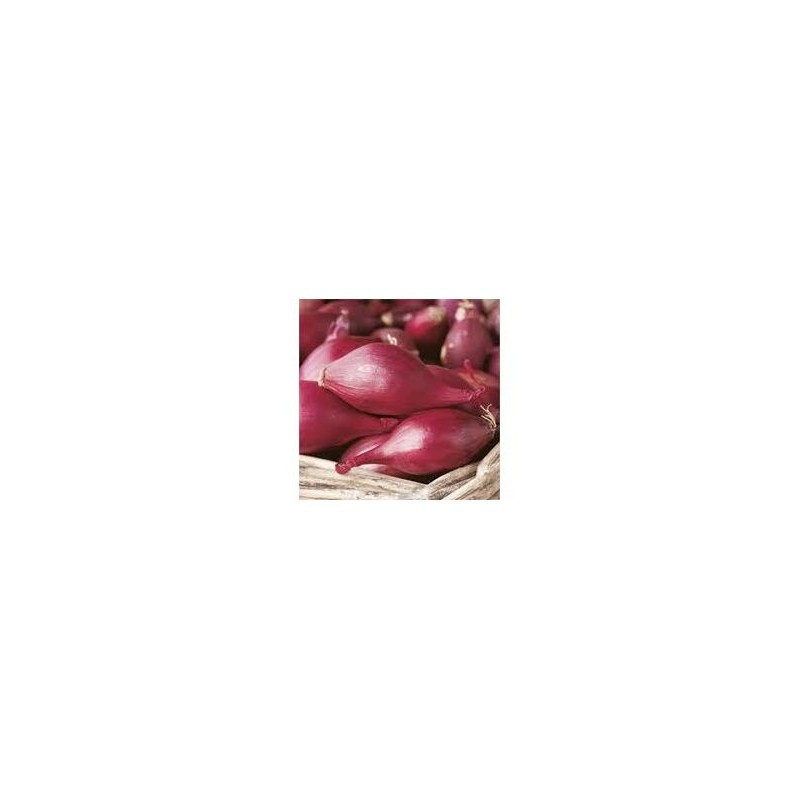
Tropea Elongated Red Onion Seeds
New product
[Allium cepa] Late-cycle Calabrian red onion seeds, elongated bulb, bright red-violet skin, exceptionally sweet — ideal for braids and fresh use.
400 Items
More info
- Tropea Elongated Red Onion
- The Tropea Elongated Red Onion Plant
- How to Sow Tropea Elongated Red Onion
- How to Grow Tropea Elongated Red Onion
- Tips for Tropea Elongated Red Onion
- Diseases and Pests of Tropea Elongated Red Onion
- Uses and Curiosities of Tropea Elongated Red Onion
- Properties of Tropea Elongated Red Onion
- Nutritional Values of Tropea Elongated Red Onion
Tropea Elongated Red Onion
The Tropea elongated red onion, also called "long Calabrese" or late ecotype, is the last of the famous Tropea Calabria PGI Red Onion to mature, with an elongated bulb and bright red-violet skin.
The Tropea Elongated Red Onion Plant
Allium cepa belongs to the Amaryllidaceae family. Compared to the flat-round and top-shaped ecotypes, this variety develops a more slender, elongated bulb, with white flesh streaked purple and a particularly sweet flavour, due to a low pyruvic acid content.
How to Sow Tropea Elongated Red Onion
Sowing takes place in a protected seedbed between August and September; seedlings are then transplanted into the field between November and December, burying seeds about 1-2 centimetres deep.
How to Grow Tropea Elongated Red Onion
Being the longest-cycle ecotype, it requires moderate, steady watering throughout winter and spring, plus periodic hoeing to aerate the soil and control weeds. It prefers loose, well-drained soil.
Tips for Tropea Elongated Red Onion
Harvesting takes place from mid-June to the end of July, once the bulb has reached its final elongated shape. It should be harvested carefully to avoid damaging the outer skins, particularly thin in this ecotype.
Diseases and Pests of Tropea Elongated Red Onion
Like other onions, it can be subject to downy mildew and neck rot in waterlogged conditions; common pests include onion fly and thrips.
Uses and Curiosities of Tropea Elongated Red Onion
Thanks to its exceptional sweetness, it is perfect for raw consumption in salads; it is also the preferred ecotype for the traditional Calabrian braids, which extend its storage life.
Properties of Tropea Elongated Red Onion
Rich in anthocyanins, the antioxidant pigments responsible for the red-violet colour, this onion also has diuretic and detoxifying properties, plus a good vitamin C content.
Nutritional Values of Tropea Elongated Red Onion
Per 100 grams, Tropea elongated red onion provides about 33 kcal, 1.1 g protein, 7.6 g carbohydrates (of which sugars about 5 g), 0.1 g fat and 1.5 g fibre. It has a good vitamin C content (about 7 mg) and potassium (about 145 mg).