

No products
Peperoncino secco
-
Semi ortaggi
-
Summer vegetables seeds
- Garlic seeds
- Watermelon seeds
- Asparagus seeds
- Chili seeds
- Beet seeds
- Basil seeds
- Chard seeds
- Cabbage seeds
- Onion seeds
- Carrot seeds
- artichoke seeds
- Cucumber seeds
- Strawberry seeds
- Bean and green bean seeds
- Broad bean seeds
- Lettuce seeds
- Corn seed
- Eggplant seeds
- Melon seeds
- Okra seeds
- Tomato seeds
- Pea seeds
- Leek seeds
- Pepper seeds
- Radish seeds
- Arugula seeds
- Shallot seeds
- Celery seeds
- Spinach seeds
- Valerian seeds
- Pumpkin seeds
- Courgette seeds
-
Winter vegetables seeds
- broccoli seeds
- cauliflower seeds
- semi di cavolo
- fennel seeds
- Semi di lattuga
- chicory seeds
- Radicchio seeds
- Rocket seeds
- Chard and Beet Seeds
- Escarole Seeds
- Onion Seeds
- Basil Seeds
- Chard Seeds
- Artichoke Seeds
- Carrot Seeds
- Cucumber Seeds
- Bean Seeds
- Endive Seeds
- Leek Seeds
- Parsley Seeds
- Celery Seeds
- Spinach Seeds
- Valerian Seeds
-
Summer vegetables seeds
- Peperoncino secco
- Peperoncino in polvere
- Semi piante aromatiche
- Prati e tappeti erbosi
- Semi fiori ornamentali
- Fertilizzanti
- Fertilizzante solido
- Spezie
- eBook
- Bulbi
- Starter kit / Micro orto
- Idea regalo / Bomboniere
- Patate e tuberi da semina
- Buoni regalo digitali
- TEST posizioni
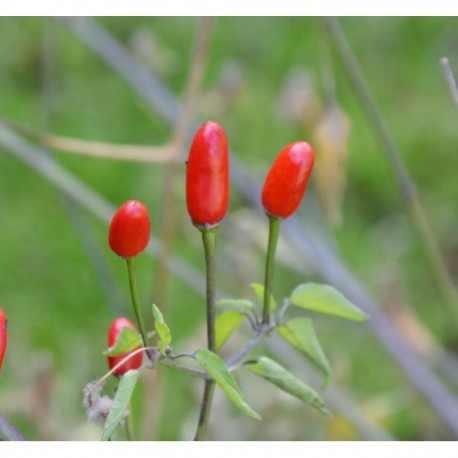 View larger
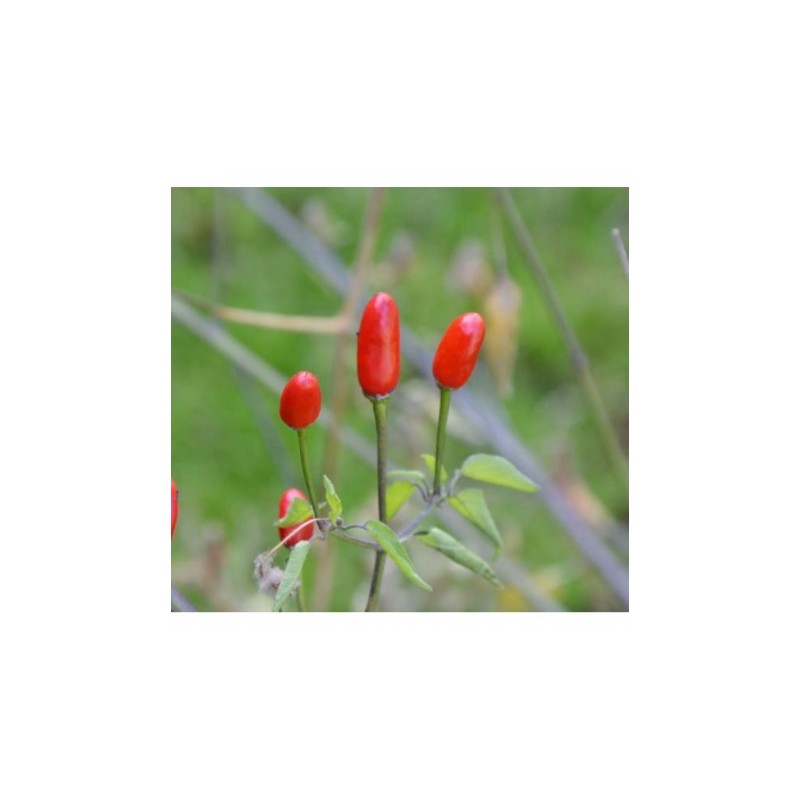
Dried Pequin Pepper
New product
[100,000 SHU] Hot pepper from a very large plant. Small-sized fruit, not excessively spicy but able to flavor any dish. Excellent fresh or dried.
100 Items
More info
- dried Pequin pepper
- The dried Pequin pepper Plant
- How to Sow dried Pequin pepper
- How to Grow dried Pequin pepper
- Tips for dried Pequin pepper
- Diseases and Pests of dried Pequin pepper
- Uses and Curiosities of dried Pequin pepper
- Properties of dried Pequin pepper
- Nutritional Values of dried Pequin pepper
dried Pequin pepper
The dried Pequin pepper is one of the oldest varieties of the Capsicum genus, native to Mexico and in particular to the state of Tabasco. Its berries are tiny, oval, coral red at full ripeness, and are nicknamed "flea pepper" for their tiny size, only 0.8-1.5 cm long.
The dried Pequin pepper Plant
plant belongs to the species Capsicum annuum, the same as the most widespread peppers in the world. It grows as a compact, heavily branched shrub that can reach 70-90 cm in height and a similar width, with small, ovate or lanceolate green leaves. Many scholars consider it the species closest to the common wild ancestor of all cultivated peppers grown today.
How to Sow dried Pequin pepper
sowing should preferably be done between February and April, in a protected seedbed, at constant temperatures around 24-26°C to encourage germination, which can be slower than in other Capsicum annuum varieties. Once the seedlings have developed 3-4 true leaves, they can be transplanted outdoors or into pots once the risk of late frost has passed.
How to Grow dried Pequin pepper
growing requires full sun exposure and fertile, well-drained soil, kept moist but never waterlogged. Being a very productive plant, it benefits from regular potassium-based fertilizing during flowering and fruiting. In mild climates, if sheltered during winter with temperatures staying above +6/+8°C, the plant can survive and keep fruiting for several consecutive seasons.
Tips for dried Pequin pepper
growing in pots is an excellent solution for those with limited space, given the shrub's contained size. Mulching the soil helps keep moisture constant and limits weed growth. The plant tolerates short dry spells well, but produces more numerous and higher quality fruits with regular watering, especially during the hottest summer weeks.
Diseases and Pests of dried Pequin pepper
the main issues that can affect Pequin are common to other Capsicum annuum: aphids, red spider mites and whitefly are the most frequent pests, while among fungal diseases powdery mildew and root rot deserve attention in case of excess moisture. Good air circulation between plants and well-drained soil significantly reduce the risk of these problems occurring.
Uses and Curiosities of dried Pequin pepper
the heat level of dried Pequin reaches about 100,000 SHU on the Scoville scale, making it one of the hottest peppers in common culinary use. Dried, it is traditionally used in Mexico to season sauces, soups and meat dishes. The bright red color of the berries also makes it highly sought after by wild birds, which throughout history have helped spread its seeds in nature.
Properties of dried Pequin pepper
like all hot peppers, dried Pequin is rich in capsaicin, the active compound responsible for its heat, associated with thermogenic and circulation-stimulating properties. It also contains fair amounts of vitamin C and carotenoids, typical of ripe red peppers, plus a good fiber content in its dried form.
Nutritional Values of dried Pequin pepper
- Calories: about 40 kcal
- Protein: 2 g
- Carbohydrates: 8.3 g
- Fat: 1 g
- Fiber: 1.5 g