

No products
Peperoncino secco
-
Semi ortaggi
-
Summer vegetables seeds
- Garlic seeds
- Watermelon seeds
- Asparagus seeds
- Chili seeds
- Beet seeds
- Basil seeds
- Chard seeds
- Cabbage seeds
- Onion seeds
- Carrot seeds
- artichoke seeds
- Cucumber seeds
- Strawberry seeds
- Bean and green bean seeds
- Broad bean seeds
- Lettuce seeds
- Corn seed
- Eggplant seeds
- Melon seeds
- Okra seeds
- Tomato seeds
- Pea seeds
- Leek seeds
- Pepper seeds
- Radish seeds
- Arugula seeds
- Shallot seeds
- Celery seeds
- Spinach seeds
- Valerian seeds
- Pumpkin seeds
- Courgette seeds
-
Winter vegetables seeds
- broccoli seeds
- cauliflower seeds
- semi di cavolo
- fennel seeds
- Semi di lattuga
- chicory seeds
- Radicchio seeds
- Rocket seeds
- Chard and Beet Seeds
- Escarole Seeds
- Onion Seeds
- Basil Seeds
- Chard Seeds
- Artichoke Seeds
- Carrot Seeds
- Cucumber Seeds
- Bean Seeds
- Endive Seeds
- Leek Seeds
- Parsley Seeds
- Celery Seeds
- Spinach Seeds
- Valerian Seeds
-
Summer vegetables seeds
- Peperoncino secco
- Peperoncino in polvere
- Semi piante aromatiche
- Prati e tappeti erbosi
- Semi fiori ornamentali
- Fertilizzanti
- Fertilizzante solido
- Spezie
- eBook
- Bulbi
- Starter kit / Micro orto
- Idea regalo / Bomboniere
- Patate e tuberi da semina
- Buoni regalo digitali
- TEST posizioni
 View larger
Dried Chupetinho Red Pepper
New product
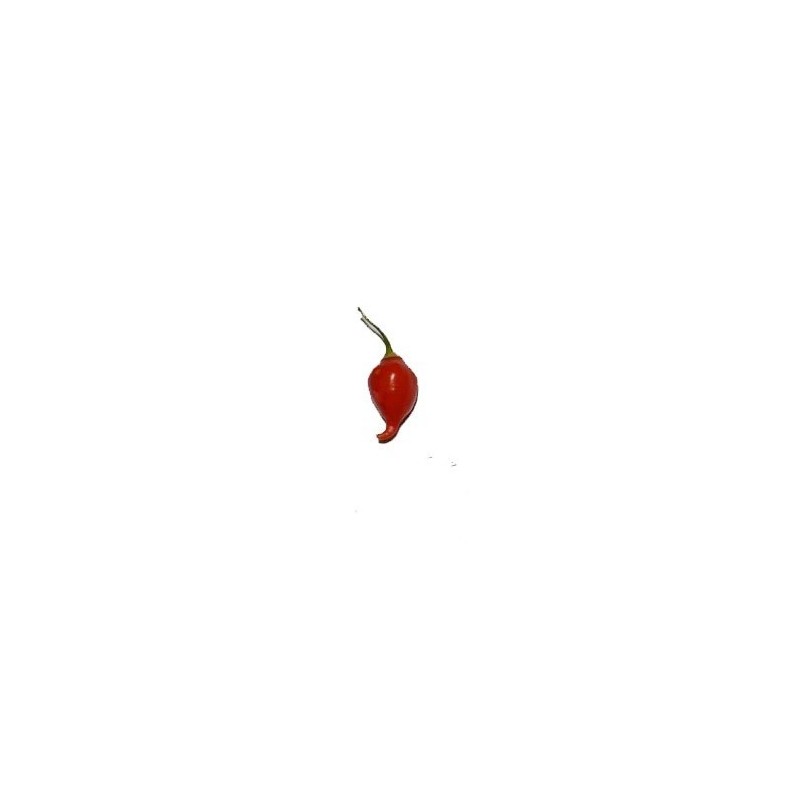
[25,000-30,000 SHU] Brazilian pepper shaped like a small pacifier. Turns from yellow to orange to bright red at full ripeness. Excellent fresh, pickled or dried.
100 Items
More info
- dried Chupetinho Red pepper
- The dried Chupetinho Red pepper Plant
- How to Sow dried Chupetinho Red pepper
- How to Grow dried Chupetinho Red pepper
- Tips for dried Chupetinho Red pepper
- Diseases and Pests of dried Chupetinho Red pepper
- Uses and Curiosities of dried Chupetinho Red pepper
- Properties of dried Chupetinho Red pepper
- Nutritional Values of dried Chupetinho Red pepper
dried Chupetinho Red pepper
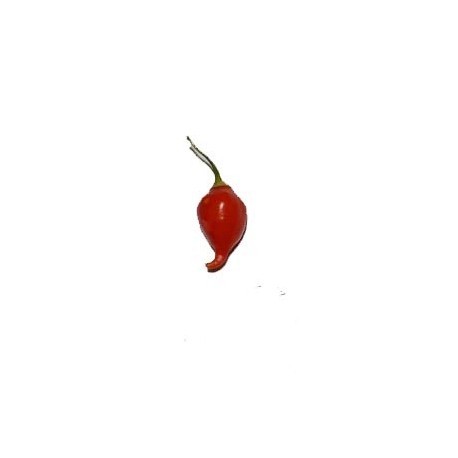
The dried Chupetinho Red pepper is a variety native to Brazil, also known by the popular names Chupetinha, Pimenta de bico or Biquinho, which literally means "little pacifier" due to the characteristic shape of the fruit. The berries are small, 2-3 cm long, with a pendulous habit: they start off lemon-yellow, turn orange and finally reach a bright intense red at full ripeness.
The dried Chupetinho Red pepper Plant
plant belongs to the species Capsicum chinense and grows as a branched shrub, reaching a height of 50-70 cm and a width of about one meter. Being a chinense, it is a potentially perennial plant, able to last several seasons if properly protected from winter cold.
How to Sow dried Chupetinho Red pepper
sowing should be done between February and April, in a heated seedbed at constant temperatures of 26-28°C, since Capsicum chinense generally requires longer germination times than other pepper species. Transplanting outdoors should take place once at least 4-5 true leaves have developed, when night temperatures are steadily above 12-14°C.
How to Grow dried Chupetinho Red pepper
growing favors a full sun position and fertile, well-drained soil rich in organic matter. The plant produces abundantly throughout summer, and regular potassium-based feeding during fruiting is recommended. In mild winter climates it can be sheltered in a cold greenhouse to extend its growing cycle from year to year.
Tips for dried Chupetinho Red pepper
thanks to its compact size, Chupetinho Red adapts very well to pot growing on sunny balconies and terraces. Mulching the soil helps keep moisture constant and avoid sudden water stress, which can cause premature flower drop. Plenty of direct light encourages more abundant fruiting and more intense coloring of the ripe berries.
Diseases and Pests of dried Chupetinho Red pepper
like other Capsicum chinense, Chupetinho can be affected by aphids, whitefly and red spider mites, especially under protected cultivation or during hot, dry seasons. Careful irrigation management and good soil drainage help prevent root rot and other fungal diseases linked to excess moisture.
Uses and Curiosities of dried Chupetinho Red pepper
despite its playful name and harmless pacifier-like shape, Chupetinho Red should not be underestimated: it reaches a heat level of 25,000-30,000 SHU on the Scoville scale. In the kitchen it is enjoyed fresh, pickled or dried to season sauces, marinades and traditional Brazilian dishes, where it is often known as "biquinho".
Properties of dried Chupetinho Red pepper
like all hot peppers, dried Chupetinho Red is rich in capsaicin, a substance associated with thermogenic and metabolism-stimulating properties. The ripe, intensely red berries also contain good amounts of vitamin C and carotenoids, natural antioxidants typical of fully ripe peppers.
Nutritional Values of dried Chupetinho Red pepper
- Calories: about 40 kcal
- Protein: 2 g
- Carbohydrates: 8.5 g
- Fat: 0.8 g
- Fiber: 1.6 g