

No products
Pepper seeds
-
Semi ortaggi
-
Summer vegetables seeds
- Garlic seeds
- Watermelon seeds
- Asparagus seeds
- Chili seeds
- Beet seeds
- Basil seeds
- Chard seeds
- Cabbage seeds
- Onion seeds
- Carrot seeds
- artichoke seeds
- Cucumber seeds
- Strawberry seeds
- Bean and green bean seeds
- Broad bean seeds
- Lettuce seeds
- Corn seed
- Eggplant seeds
- Melon seeds
- Okra seeds
- Tomato seeds
- Pea seeds
- Leek seeds
- Pepper seeds
- Radish seeds
- Arugula seeds
- Shallot seeds
- Celery seeds
- Spinach seeds
- Valerian seeds
- Pumpkin seeds
- Courgette seeds
-
Winter vegetables seeds
- broccoli seeds
- cauliflower seeds
- semi di cavolo
- fennel seeds
- Semi di lattuga
- chicory seeds
- Radicchio seeds
- Rocket seeds
- Chard and Beet Seeds
- Escarole Seeds
- Onion Seeds
- Basil Seeds
- Chard Seeds
- Artichoke Seeds
- Carrot Seeds
- Cucumber Seeds
- Bean Seeds
- Endive Seeds
- Leek Seeds
- Parsley Seeds
- Celery Seeds
- Spinach Seeds
- Valerian Seeds
-
Summer vegetables seeds
- Peperoncino secco
- Peperoncino in polvere
- Semi piante aromatiche
- Prati e tappeti erbosi
- Semi fiori ornamentali
- Fertilizzanti
- Fertilizzante solido
- Spezie
- eBook
- Bulbi
- Starter kit / Micro orto
- Idea regalo / Bomboniere
- Patate e tuberi da semina
- Buoni regalo digitali
- TEST posizioni
 View larger
Yellow Cuneo Pepper Seeds
New product
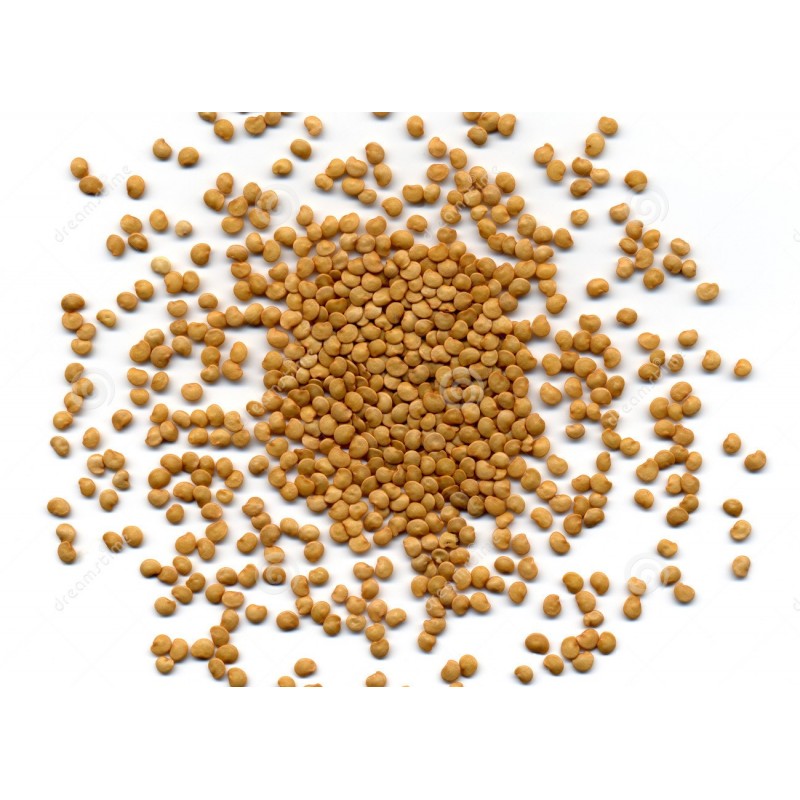
[Capsicum annuum] Seeds of Yellow Cuneo pepper, a prized Italian variety with exceptionally thick, sweet, digestible flesh.
99 Items
More info
- Yellow Cuneo Pepper
- The Yellow Cuneo Pepper Plant
- How to Sow Yellow Cuneo Pepper
- How to Grow Yellow Cuneo Pepper
- Tips for Growing Yellow Cuneo Pepper
- Diseases and Pests of Yellow Cuneo Pepper
- Properties of Yellow Cuneo Pepper
- Nutritional Values of Yellow Cuneo Pepper (per 100 g)
Yellow Cuneo Pepper
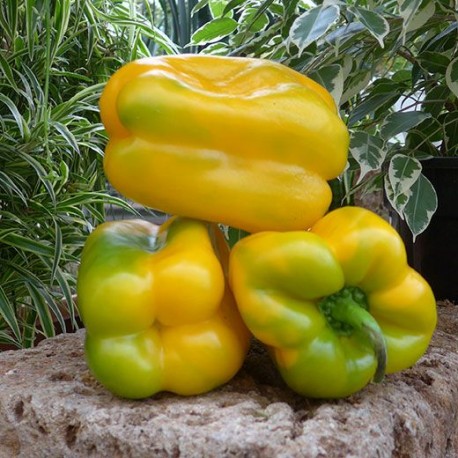
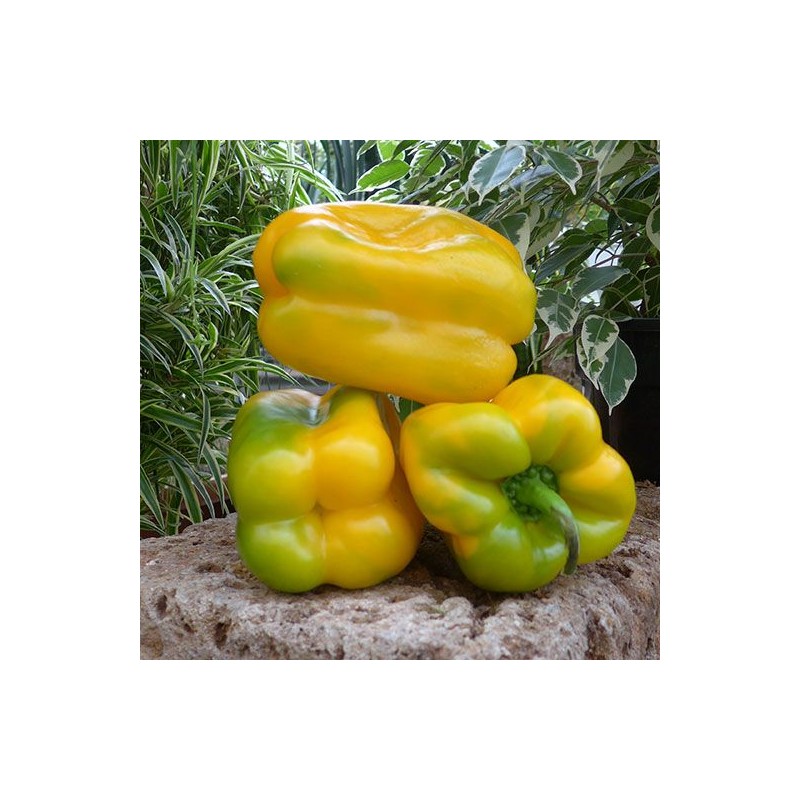
Yellow Cuneo pepper, also known as Cuneo pepper, is a variety highly prized by food lovers, unmistakable for its sweet flavor and thick, easily digestible flesh, which can reach up to 11 mm in thickness depending on the harvest period.
The Yellow Cuneo pepper Plant
Botanically it is a Capsicum annuum, part of the Solanaceae family. The plant is vigorous and leafy, medium-to-large in size, with good structure and branch resistance. The fruits generally have 3-4 lobes ending in a point, where the skin often shows a typical anthocyanin bronzing known as the "mustache".
This variety originates from an ancient natural cross selected in the province of Cuneo, where it has been grown since the early twentieth century.
How to Sow Yellow Cuneo pepper
Sowing takes place in a heated seedbed, burying the seeds about 0.5-1 cm deep, from February to May. Transplanting into the field or greenhouse takes place once seedlings have developed a good root system and the risk of late frosts has passed.
How to Grow Yellow Cuneo pepper
It favors fertile, well-drained, medium-textured soil in a sunny position; in summer, light shading is advisable to prevent sunscald on the fruits. It can be grown both in open field and greenhouse.
Harvest takes place from early July to late October, with an average yield of 4-5 fruits per plant when properly fertilized. The thick flesh makes this variety particularly tolerant of water and environmental stress.
Tips for Growing Yellow Cuneo pepper
Regular fertilization is advisable to achieve decent yields without overloading the plant. Watering should be kept consistent but without waterlogging, as the thick flesh typical of this variety makes it more drought-tolerant than other cultivars.
Diseases and Pests of Yellow Cuneo pepper
Common pests include aphids, thrips and red spider mite, favored by hot, dry weather. Fungal diseases such as powdery mildew and rot should be prevented with proper watering and ventilation management.
Properties of Yellow Cuneo pepper
The fruits of this pepper are rich in vitamin C and beta-carotene, with a very low calorie content. Thanks to its thick, firm flesh, it is excellent both raw in salads and baked or stuffed with meat.
Nutritional Values of Yellow Cuneo pepper (per 100 g)
- Calories: 27 kcal
- Protein: 1.0 g
- Fat: 0.3 g
- Carbohydrates: 6.3 g
- Fiber: 1.7 g
- Vitamin C: 184 mg
- Potassium: 212 mg