

No products
semi di cavolo
-
Semi ortaggi
-
Summer vegetables seeds
- Garlic seeds
- Watermelon seeds
- Asparagus seeds
- Chili seeds
- Beet seeds
- Basil seeds
- Chard seeds
- Cabbage seeds
- Onion seeds
- Carrot seeds
- artichoke seeds
- Cucumber seeds
- Strawberry seeds
- Bean and green bean seeds
- Broad bean seeds
- Lettuce seeds
- Corn seed
- Eggplant seeds
- Melon seeds
- Okra seeds
- Tomato seeds
- Pea seeds
- Leek seeds
- Pepper seeds
- Radish seeds
- Arugula seeds
- Shallot seeds
- Celery seeds
- Spinach seeds
- Valerian seeds
- Pumpkin seeds
- Courgette seeds
-
Winter vegetables seeds
- broccoli seeds
- cauliflower seeds
- semi di cavolo
- fennel seeds
- Semi di lattuga
- chicory seeds
- Radicchio seeds
- Rocket seeds
- Chard and Beet Seeds
- Escarole Seeds
- Onion Seeds
- Basil Seeds
- Chard Seeds
- Artichoke Seeds
- Carrot Seeds
- Cucumber Seeds
- Bean Seeds
- Endive Seeds
- Leek Seeds
- Parsley Seeds
- Celery Seeds
- Spinach Seeds
- Valerian Seeds
-
Summer vegetables seeds
- Peperoncino secco
- Peperoncino in polvere
- Semi piante aromatiche
- Prati e tappeti erbosi
- Semi fiori ornamentali
- Fertilizzanti
- Fertilizzante solido
- Spezie
- eBook
- Bulbi
- Starter kit / Micro orto
- Idea regalo / Bomboniere
- Patate e tuberi da semina
- Buoni regalo digitali
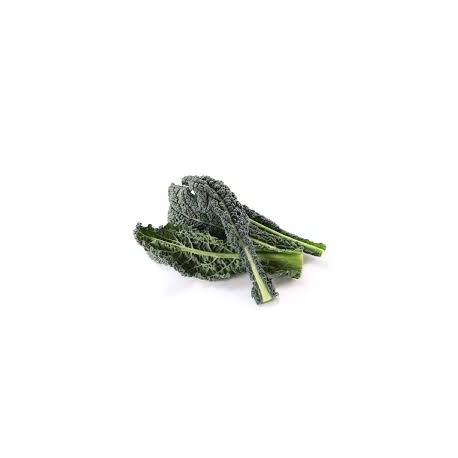 View larger

Tuscan Black Kale Seeds
New product
[Brassica oleracea var. acephala] Tuscan black kale seeds (Lacinato), the rustic dark-leaf variety at the heart of Tuscany's traditional ribollita.
100 Items
More info
- Tuscan Black Kale
- The Tuscan black kale Plant
- How to Sow Tuscan Black Kale
- How to Grow Tuscan Black Kale
- Tips for Tuscan Black Kale
- Diseases and Pests of Tuscan Black Kale
- Uses and Curiosities of Tuscan Black Kale
Tuscan Black Kale
Tuscan Black Kale, also known as Lacinato kale, dinosaur kale or cavolo palmizio, is an ancient, hardy variety tied for centuries to Tuscan farming tradition, with roots going back to Etruscan times. It's prized for its long, dark, blistered leaves with a rich, distinctive flavor.
The Tuscan black kale Plant
It belongs to Brassica oleracea var. acephala, meaning headless: unlike other cabbages, the plant doesn't form a compact head but grows an upright stem with long, narrow, elongated leaves covered in a distinctive blistered texture, spreading out almost horizontally. It's considered a primitive variety, only lightly shaped by generations of selective breeding compared to other cabbages.
How to Sow Tuscan Black Kale
To enjoy a winter harvest, sow between June and August, either directly in the field or in seedbeds, transplanting about a month later. Prepare the soil a few weeks in advance, working it deeply and enriching it with mature compost or pelleted manure to supply the nutrients the plants need.
How to Grow Tuscan Black Kale
It prefers loose, well-drained soil rich in organic matter. Watering should be consistent, applied directly to the soil rather than the leaves to avoid fungal disease. It's an extremely hardy plant, tolerating cold down to -10°C, with frost actually improving quality, making the leaves more tender and flavorful.
Tips for Tuscan Black Kale
Mulching helps keep weeds down and the soil consistently moist, reducing how often you need to water. Taller, more productive plants may benefit from staking, along with a nitrogen feed during the growing phase to encourage strong leaf development.
Diseases and Pests of Tuscan Black Kale
The main threats are downy mildew, favored by warm, humid conditions and best managed with preventive copper-based treatments, and cabbage worms, which feed on the leaves and can be controlled with natural pyrethrum-based insecticides.
Uses and Curiosities of Tuscan Black Kale
Tuscan Black Kale is the star ingredient of the famous Tuscan ribollita, alongside beans, stale bread and seasonal vegetables, but it also works beautifully in soups, minestrone and pan-fried side dishes. For centuries it was considered not just a food but also a folk remedy, used in poultices and herbal decoctions.
| Nutritional values (100g) | |
|---|---|
| Energy | 30 kcal |
| Protein | 3 g |
| Fiber | 4 g |
| Vitamin C | high |
| Calories | low |