

No products
semi di cavolo
-
Semi ortaggi
-
Summer vegetables seeds
- Garlic seeds
- Watermelon seeds
- Asparagus seeds
- Chili seeds
- Beet seeds
- Basil seeds
- Chard seeds
- Cabbage seeds
- Onion seeds
- Carrot seeds
- artichoke seeds
- Cucumber seeds
- Strawberry seeds
- Bean and green bean seeds
- Broad bean seeds
- Lettuce seeds
- Corn seed
- Eggplant seeds
- Melon seeds
- Okra seeds
- Tomato seeds
- Pea seeds
- Leek seeds
- Pepper seeds
- Radish seeds
- Arugula seeds
- Shallot seeds
- Celery seeds
- Spinach seeds
- Valerian seeds
- Pumpkin seeds
- Courgette seeds
-
Winter vegetables seeds
- broccoli seeds
- cauliflower seeds
- semi di cavolo
- fennel seeds
- Semi di lattuga
- chicory seeds
- Radicchio seeds
- Rocket seeds
- Chard and Beet Seeds
- Escarole Seeds
- Onion Seeds
- Basil Seeds
- Chard Seeds
- Artichoke Seeds
- Carrot Seeds
- Cucumber Seeds
- Bean Seeds
- Endive Seeds
- Leek Seeds
- Parsley Seeds
- Celery Seeds
- Spinach Seeds
- Valerian Seeds
-
Summer vegetables seeds
- Peperoncino secco
- Peperoncino in polvere
- Semi piante aromatiche
- Prati e tappeti erbosi
- Semi fiori ornamentali
- Fertilizzanti
- Fertilizzante solido
- Spezie
- eBook
- Bulbi
- Starter kit / Micro orto
- Idea regalo / Bomboniere
- Patate e tuberi da semina
- Buoni regalo digitali
- TEST posizioni
 View larger
White Kohlrabi Seeds
New product
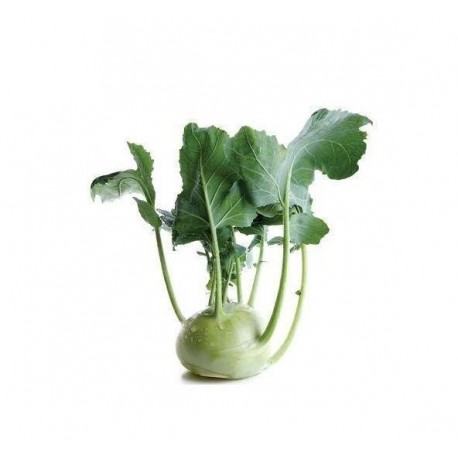
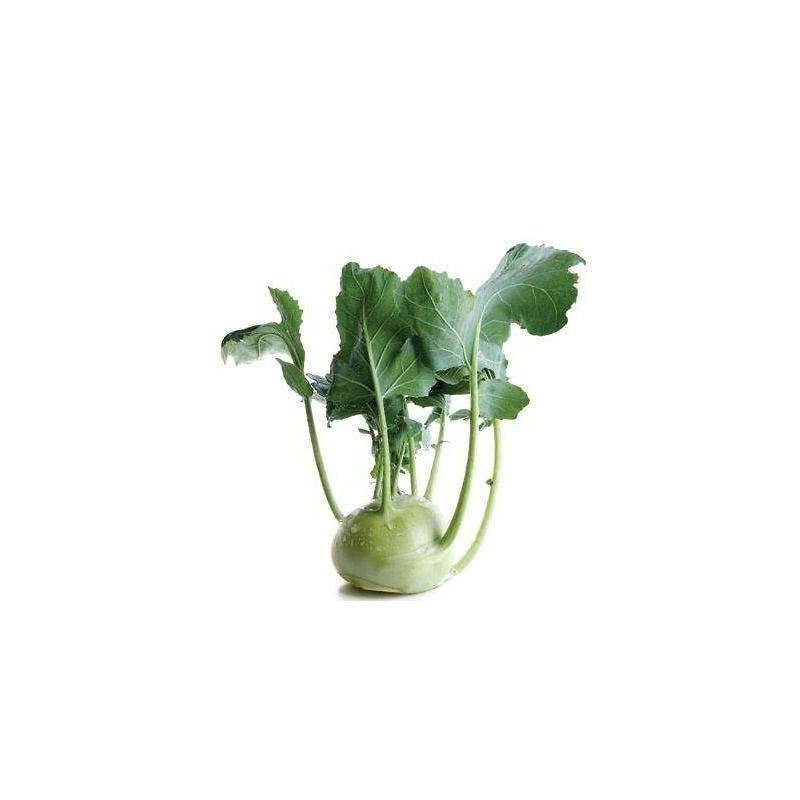
[Brassica oleracea var. gongylodes] White kohlrabi seeds, a fast-growing crucifer prized for its tender, mild bulb halfway between cabbage and turnip.
99 Items
More info
- White Kohlrabi
- The white kohlrabi Plant
- How to Sow White Kohlrabi
- How to Grow White Kohlrabi
- Tips for White Kohlrabi
- Diseases and Pests of White Kohlrabi
- Uses and Curiosities of White Kohlrabi
White Kohlrabi
White Kohlrabi, botanically Brassica oleracea var. gongylodes, is a brassica native to southwestern Asia, introduced to the West by the Greeks and Romans. It stands out from other cabbages for the distinctive round bulb that forms at the base of the stem, just above the collar, with a flavor somewhere between cabbage and turnip.
The white kohlrabi Plant
The plant has a compact, low-growing habit compared to other cabbages, with upright foliage and a tall stalk. The bulb, pale greenish-white in color, is harvested when it reaches the size of a tennis ball, about 10-12 cm in diameter: if left to grow longer, it tends to become woody and loses its typical tenderness.
How to Sow White Kohlrabi
Sow from February to March and from July to September, in seedbeds or directly in the ground in small holes about 1 cm deep, spaced 30 cm apart. Thin early varieties to 15 cm, later varieties to 20 cm, sowing every 2-3 weeks for a staggered harvest.
How to Grow White Kohlrabi
It prefers slightly sandy, deep, cool, well-aerated soil, rich in well-decomposed organic matter; fresh manure should be avoided since it's a vegetable that swells near the root. With temperatures between 16 and 26 °C it grows very quickly, reaching harvest size in 60-70 days from transplanting.
Tips for White Kohlrabi
During summer growing it's essential not to let the plant run short of water, otherwise the bulb tends to split. Mulching with straw or fabric helps keep weeds down and reduce watering needs. Good companion plants include chard, cucumbers, beans, lettuce, potato, peas and celery.
Diseases and Pests of White Kohlrabi
It can be attacked by cabbage root fly, which targets the roots (a collar around the stem base helps), as well as caterpillars and slugs on young leaves. Like other brassicas, it can be affected by clubroot, a fungal disease more likely on acidic, poorly drained soil.
Uses and Curiosities of White Kohlrabi
White Kohlrabi can be eaten raw, grated or sliced into salads, or cooked steamed and dressed with oil and salt or bechamel. The leaves are edible too and can be prepared like other leafy greens. It's rich in vitamin C and low in calories, with about 27 kcal per 100 g.
| Nutritional values (100g) | |
|---|---|
| Energy | 27 kcal |
| Protein | 1.7 g |
| Vitamin C | high |
| Fiber | present |
| Calories | low |