

No products
semi di cavolo
-
Semi ortaggi
-
Summer vegetables seeds
- Garlic seeds
- Watermelon seeds
- Asparagus seeds
- Chili seeds
- Beet seeds
- Basil seeds
- Chard seeds
- Cabbage seeds
- Onion seeds
- Carrot seeds
- artichoke seeds
- Cucumber seeds
- Strawberry seeds
- Bean and green bean seeds
- Broad bean seeds
- Lettuce seeds
- Corn seed
- Eggplant seeds
- Melon seeds
- Okra seeds
- Tomato seeds
- Pea seeds
- Leek seeds
- Pepper seeds
- Radish seeds
- Arugula seeds
- Shallot seeds
- Celery seeds
- Spinach seeds
- Valerian seeds
- Pumpkin seeds
- Courgette seeds
-
Winter vegetables seeds
- broccoli seeds
- cauliflower seeds
- semi di cavolo
- fennel seeds
- Semi di lattuga
- chicory seeds
- Radicchio seeds
- Rocket seeds
- Chard and Beet Seeds
- Escarole Seeds
- Onion Seeds
- Basil Seeds
- Chard Seeds
- Artichoke Seeds
- Carrot Seeds
- Cucumber Seeds
- Bean Seeds
- Endive Seeds
- Leek Seeds
- Parsley Seeds
- Celery Seeds
- Spinach Seeds
- Valerian Seeds
-
Summer vegetables seeds
- Peperoncino secco
- Peperoncino in polvere
- Semi piante aromatiche
- Prati e tappeti erbosi
- Semi fiori ornamentali
- Fertilizzanti
- Fertilizzante solido
- Spezie
- eBook
- Bulbi
- Starter kit / Micro orto
- Idea regalo / Bomboniere
- Patate e tuberi da semina
- Buoni regalo digitali
 View larger

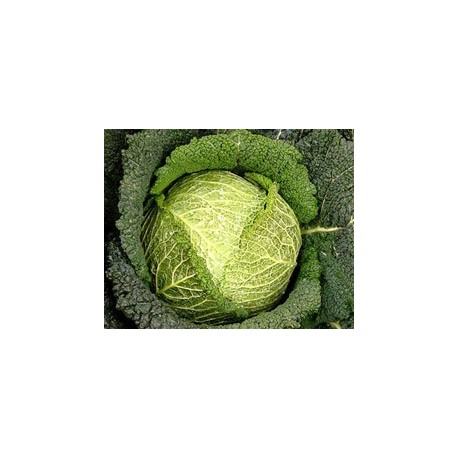
Famosa Savoy Cabbage Seeds
New product
[Brassica oleracea convar. capitata var. sabauda] Famosa savoy cabbage seeds, a hardy, disease-tolerant variety with tightly packed, crinkled dark-green heads.
99 Items
More info
- Famosa Savoy Cabbage
- The Famosa savoy cabbage Plant
- How to Sow Famosa Savoy Cabbage
- How to Grow Famosa Savoy Cabbage
- Tips for Famosa Savoy Cabbage
- Diseases and Pests of Famosa Savoy Cabbage
- Uses and Curiosities of Famosa Savoy Cabbage
Famosa Savoy Cabbage
Famosa Savoy Cabbage, botanically Brassica oleracea convar. capitata var. sabauda, is a savoy cabbage variety highly regarded for its hardiness and good tolerance to the main plant diseases, traits that make it suitable for both home gardens and professional growing.
The Famosa savoy cabbage Plant
The plant produces a compact head made up of crinkled, bumpy leaves with clearly visible veins, dark green on the outside and lighter towards the center. The tightly packed head typically weighs between 700 grams and just over a kilogram, depending on growing conditions.
How to Sow Famosa Savoy Cabbage
Sow in a seedbed roughly between January and February for a spring transplant with a summer harvest, or in late summer for an autumn-winter cycle. Transplant 30-40 days after sowing, once seedlings have developed a few true leaves, spacing plants about 40-50 cm apart with 60-70 cm between rows.
How to Grow Famosa Savoy Cabbage
It prefers deep, cool, well-drained soil rich in organic matter, with a near-neutral pH. The ideal growing temperature is around 15-18 °C: the plant handles cold well, and a light frost actually improves its flavor, while it struggles with excessive heat. It's important never to let it run short of water, especially in the weeks following transplanting.
Tips for Famosa Savoy Cabbage
Good companion plants include tomato, beans, celery, spinach and lettuce, along with herbs like dill, chamomile and mint that help keep some pests away. It's best to avoid repeating brassicas on the same soil for at least two years, given the family's high nutrient demands and susceptibility to serious diseases.
Diseases and Pests of Famosa Savoy Cabbage
Its main enemy is the cabbage root fly, which lays eggs at the base of the stem: the larvae then bore into roots and stem, causing wilting. Prevention includes intercropping with tomato, deep transplanting and hilling up soil around the stem base, with pyrethrum as a treatment option if an infestation occurs.
Uses and Curiosities of Famosa Savoy Cabbage
Famosa Savoy Cabbage works beautifully in countless traditional Italian dishes, from hearty minestrone to pan-sauteed side dishes, right through to historic recipes like Tuscan ribollita. It's rich in vitamins A, C, E and K and minerals like potassium, calcium and iron, all with a very low calorie count.
| Nutritional values (100g) | |
|---|---|
| Energy | 27 kcal |
| Protein | 2.4 g |
| Vitamin C | high |
| Fiber | present |
| Calories | low |