

No products
Semi fiori ornamentali
-
Semi ortaggi
-
Summer vegetables seeds
- Garlic seeds
- Watermelon seeds
- Asparagus seeds
- Chili seeds
- Beet seeds
- Basil seeds
- Chard seeds
- Cabbage seeds
- Onion seeds
- Carrot seeds
- artichoke seeds
- Cucumber seeds
- Strawberry seeds
- Bean and green bean seeds
- Broad bean seeds
- Lettuce seeds
- Corn seed
- Eggplant seeds
- Melon seeds
- Okra seeds
- Tomato seeds
- Pea seeds
- Leek seeds
- Pepper seeds
- Radish seeds
- Arugula seeds
- Shallot seeds
- Celery seeds
- Spinach seeds
- Valerian seeds
- Pumpkin seeds
- Courgette seeds
-
Winter vegetables seeds
- broccoli seeds
- cauliflower seeds
- semi di cavolo
- fennel seeds
- Semi di lattuga
- chicory seeds
- Radicchio seeds
- Rocket seeds
- Chard and Beet Seeds
- Escarole Seeds
- Onion Seeds
- Basil Seeds
- Chard Seeds
- Artichoke Seeds
- Carrot Seeds
- Cucumber Seeds
- Bean Seeds
- Endive Seeds
- Leek Seeds
- Parsley Seeds
- Celery Seeds
- Spinach Seeds
- Valerian Seeds
-
Summer vegetables seeds
- Peperoncino secco
- Peperoncino in polvere
- Semi piante aromatiche
- Prati e tappeti erbosi
- Semi fiori ornamentali
- Fertilizzanti
- Fertilizzante solido
- Spezie
- eBook
- Bulbi
- Starter kit / Micro orto
- Idea regalo / Bomboniere
- Patate e tuberi da semina
- Buoni regalo digitali
- TEST posizioni
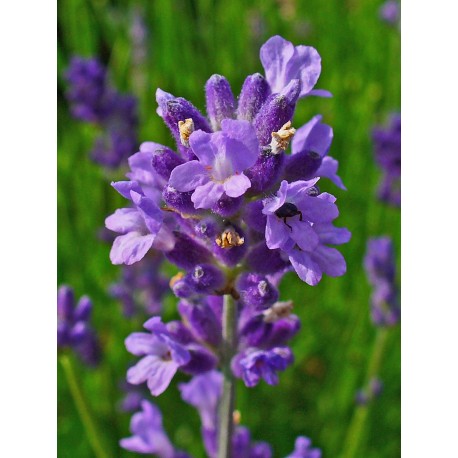 View larger
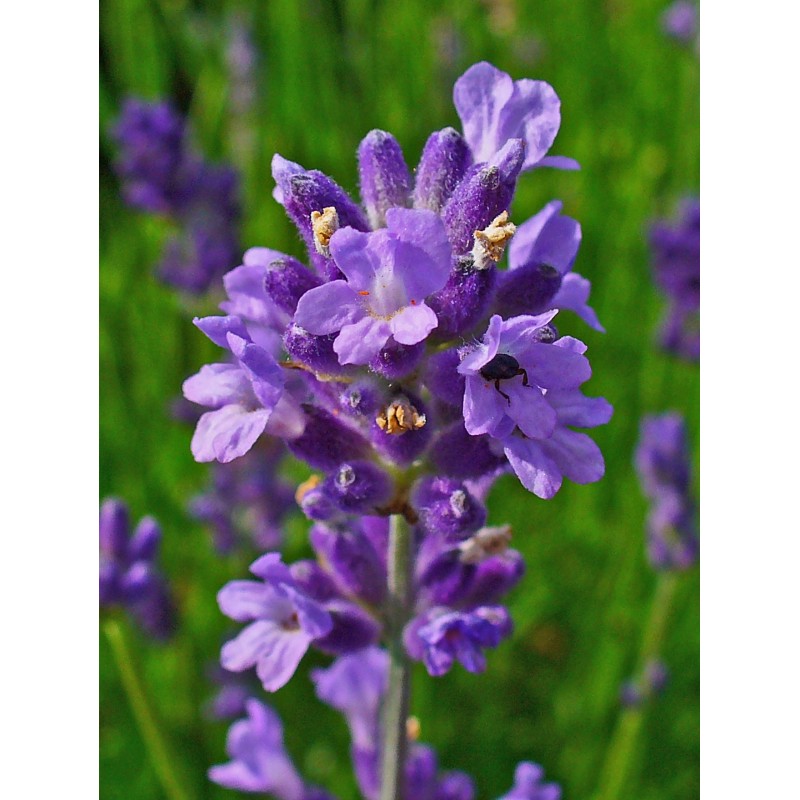
Lavender Seeds
New product
20 Items
More info
Lavender Seeds
Lavender (Lavandula angustifolia) is one of the most loved aromatic and ornamental plants grown in Italy and across Mediterranean gardens, famous for its purple-blue fragrant flower spikes and its intense, relaxing scent. Native to the Mediterranean basin, it is perfectly suited to warm, sunny climates.
The Lavender Plant
It belongs to the Lamiaceae family and is a perennial evergreen shrub with a compact bushy habit, typically reaching 40-60 cm in height. The leaves are narrow, silvery-gray, aromatic to the touch, while the flowers bloom on long upright stems ideal for both garden display and cutting for fragrant or dried bouquets.
It is extremely drought tolerant once established and naturally attracts bees and butterflies, making it valuable for garden biodiversity and pollinators.
How to Sow Lavender
Sowing takes place from February to April in a protected seedbed, or directly outdoors from April to May once night temperatures are stably above 10 degrees C. Seeds germinate slowly, taking 2-4 weeks, and benefit from light cold stratification before sowing to improve germination.
How to Grow Lavender
It prefers poor, calcareous, well-drained soils: waterlogging is by far the biggest enemy of this plant, more dangerous than drought. The ideal position is full sun, with at least 6-8 hours of direct light per day. Recommended spacing between plants is about 40-50 cm.
Flowering generally occurs between June and August. Light pruning after flowering, to shorten spent stems, keeps the plant compact and encourages more abundant blooming the following year.
Tips for Growing Lavender
Avoid excessive nitrogen fertilization, which promotes leaf growth at the expense of flowering and makes the plant more prone to rot. In pots, choose containers with excellent drainage and sandy-calcareous substrate, not pure peat.
Lavender Diseases and Pests
The main threats are root rot from waterlogging and, occasionally, spittlebugs that leave white foam on the stems. Good air circulation between plants and well-drained soil prevent most problems.
Uses and Curiosities of Lavender
Besides its ornamental use, lavender is widely used for scented sachets, essential oils, and relaxing infusions. The name comes from the Latin lavare (to wash), as the Romans used it to scent their bath water. It remains one of the most beloved aromatic plants in Mediterranean gardening of all time.