

No products
Semi fiori ornamentali
-
Semi ortaggi
-
Summer vegetables seeds
- Garlic seeds
- Watermelon seeds
- Asparagus seeds
- Chili seeds
- Beet seeds
- Basil seeds
- Chard seeds
- Cabbage seeds
- Onion seeds
- Carrot seeds
- artichoke seeds
- Cucumber seeds
- Strawberry seeds
- Bean and green bean seeds
- Broad bean seeds
- Lettuce seeds
- Corn seed
- Eggplant seeds
- Melon seeds
- Okra seeds
- Tomato seeds
- Pea seeds
- Leek seeds
- Pepper seeds
- Radish seeds
- Arugula seeds
- Shallot seeds
- Celery seeds
- Spinach seeds
- Valerian seeds
- Pumpkin seeds
- Courgette seeds
-
Winter vegetables seeds
- broccoli seeds
- cauliflower seeds
- semi di cavolo
- fennel seeds
- Semi di lattuga
- chicory seeds
- Radicchio seeds
- Rocket seeds
- Chard and Beet Seeds
- Escarole Seeds
- Onion Seeds
- Basil Seeds
- Chard Seeds
- Artichoke Seeds
- Carrot Seeds
- Cucumber Seeds
- Bean Seeds
- Endive Seeds
- Leek Seeds
- Parsley Seeds
- Celery Seeds
- Spinach Seeds
- Valerian Seeds
-
Summer vegetables seeds
- Peperoncino secco
- Peperoncino in polvere
- Semi piante aromatiche
- Prati e tappeti erbosi
- Semi fiori ornamentali
- Fertilizzanti
- Fertilizzante solido
- Spezie
- eBook
- Bulbi
- Starter kit / Micro orto
- Idea regalo / Bomboniere
- Patate e tuberi da semina
- Buoni regalo digitali
- TEST posizioni
 View larger
Sunflower Seeds
New product
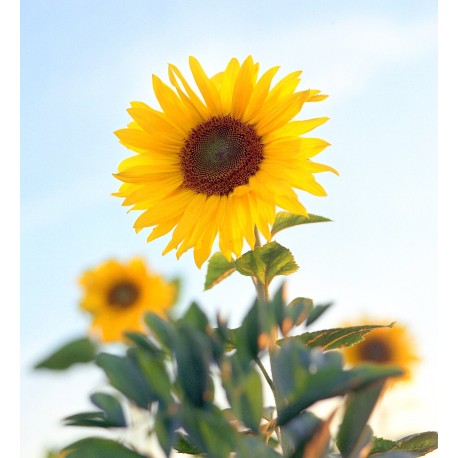
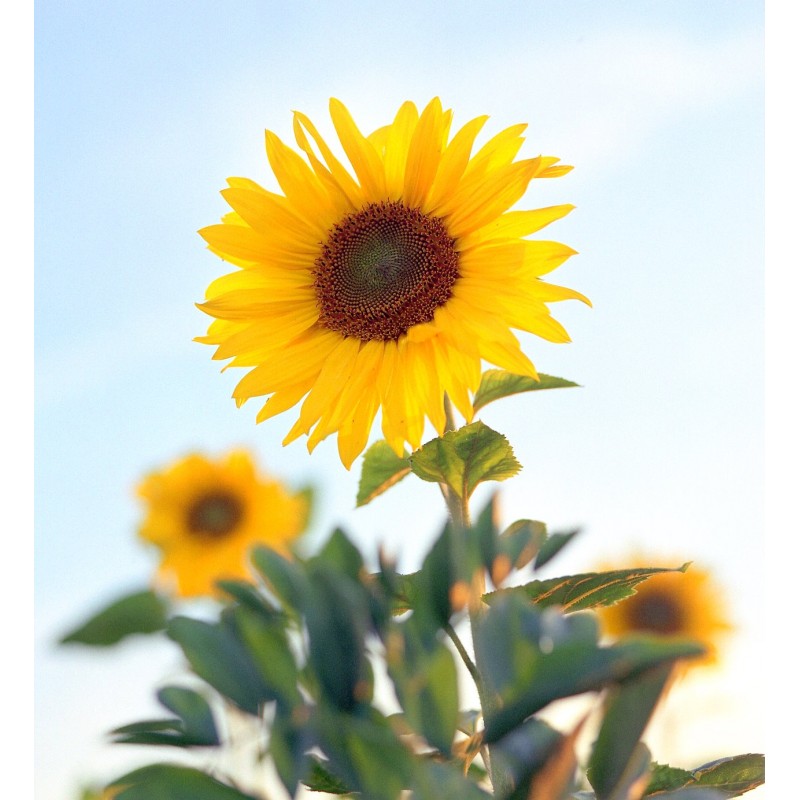
[Helianthus annuus] The common sunflower, with its striking golden bloom that follows the movement of the sun, is one of the most beloved and recognisable ornamental plants in the world.
20 Items
More info
- Sunflower Seeds
- The Sunflower Plant
- How to Sow Sunflowers
- How to Grow Sunflowers
- Tips for Growing Sunflowers
- Pests and Diseases
- Uses and Curiosities
Sunflower Seeds
The sunflower (Helianthus annuus) is an annual plant native to the Americas, now grown worldwide for both ornamental and oilseed purposes. Its large golden flower head, which can reach up to 30 cm across, makes it one of the most recognisable plants in summer gardens.
The Sunflower Plant
It belongs to the Asteraceae family. It has a sturdy, upright, mostly unbranched stem that reaches 70-120 cm in garden varieties, while more vigorous varieties can exceed 2-3 metres in height. The leaves are broad and heart-shaped, light green in colour.
During growth the flower head follows the movement of the sun (heliotropism), a behaviour that stops once flowering is complete.
How to Sow Sunflowers
Sow from April to June directly in the ground at a depth of 2-3 cm, or indoors in pots from February to get earlier blooms. Sunflowers need full sun exposure.
How to Grow Sunflowers
The ideal soil is well-drained and fertile; plants should be spaced 30-60 cm apart. Regular watering is needed, especially during dry spells, and a potassium-rich fertiliser during summer flowering is beneficial.
Tips for Growing Sunflowers
Taller varieties need staking to support the weight of the flower head. Avoid growing giant varieties in pots, as they develop a substantial root system.
Pests and Diseases
Sunflowers are generally resistant, but can be affected by powdery mildew and rust in excessively humid conditions. Crop rotation helps prevent fungal issues.
Uses and Curiosities
Besides its ornamental use, the seeds are edible, eaten roasted or pressed for oil. In Greek mythology the sunflower is linked to the nymph Clytie, transformed into the flower for her love of the sun god Apollo.
- Sowing: April-June (or February in pots)
- Exposure: full sun
- Flowering: summer
- Height: 70 cm - 3 m depending on variety
- Soil: well-drained, fertile
- Watering: regular, more in dry spells
- Suggested use: borders, flowering hedges, cut flower