

No products
Semi fiori ornamentali
-
Semi ortaggi
-
Summer vegetables seeds
- Garlic seeds
- Watermelon seeds
- Asparagus seeds
- Chili seeds
- Beet seeds
- Basil seeds
- Chard seeds
- Cabbage seeds
- Onion seeds
- Carrot seeds
- artichoke seeds
- Cucumber seeds
- Strawberry seeds
- Bean and green bean seeds
- Broad bean seeds
- Lettuce seeds
- Corn seed
- Eggplant seeds
- Melon seeds
- Okra seeds
- Tomato seeds
- Pea seeds
- Leek seeds
- Pepper seeds
- Radish seeds
- Arugula seeds
- Shallot seeds
- Celery seeds
- Spinach seeds
- Valerian seeds
- Pumpkin seeds
- Courgette seeds
-
Winter vegetables seeds
- broccoli seeds
- cauliflower seeds
- semi di cavolo
- fennel seeds
- Semi di lattuga
- chicory seeds
- Radicchio seeds
- Rocket seeds
- Chard and Beet Seeds
- Escarole Seeds
- Onion Seeds
- Basil Seeds
- Chard Seeds
- Artichoke Seeds
- Carrot Seeds
- Cucumber Seeds
- Bean Seeds
- Endive Seeds
- Leek Seeds
- Parsley Seeds
- Celery Seeds
- Spinach Seeds
- Valerian Seeds
-
Summer vegetables seeds
- Peperoncino secco
- Peperoncino in polvere
- Semi piante aromatiche
- Prati e tappeti erbosi
- Semi fiori ornamentali
- Fertilizzanti
- Fertilizzante solido
- Spezie
- eBook
- Bulbi
- Starter kit / Micro orto
- Idea regalo / Bomboniere
- Patate e tuberi da semina
- Buoni regalo digitali
- TEST posizioni
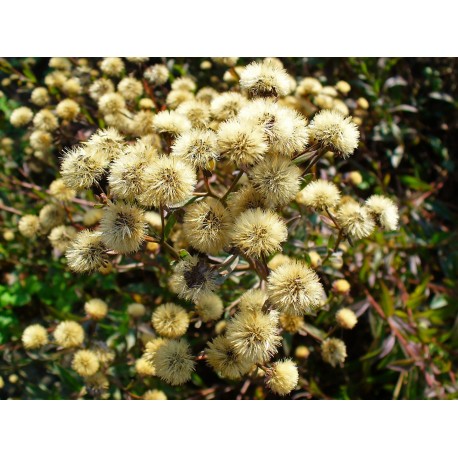 View larger
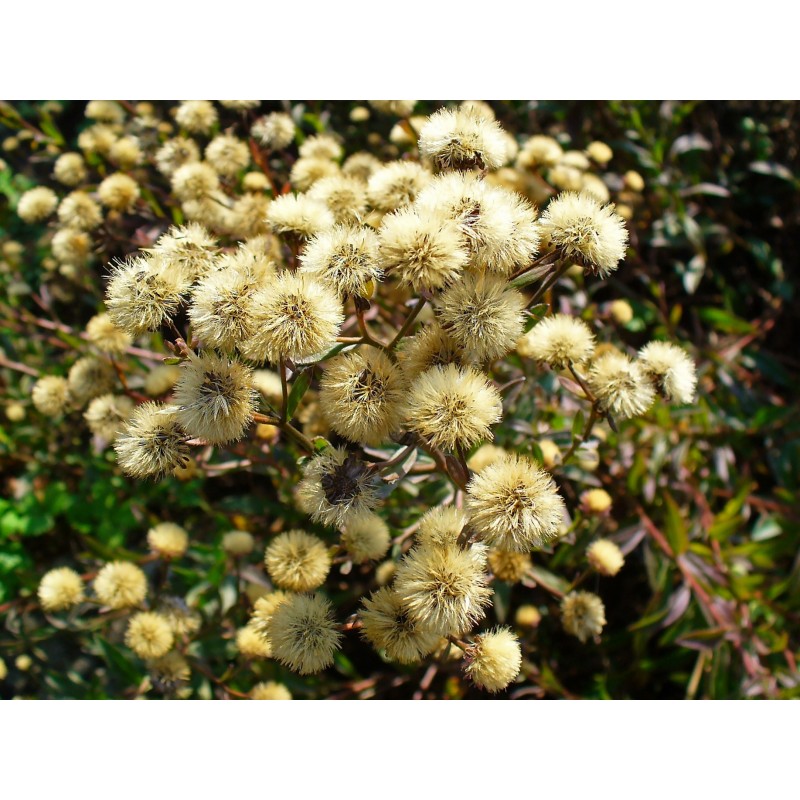
Aster Seeds (Michaelmas Daisy)
New product
[Aster amellus] European Michaelmas Daisy, hardy perennial with lilac flowers and a golden centre, blooming from July to October long after most other flowers have faded.
20 Items
More info
- Aster Seeds (Michaelmas Daisy)
- The Aster Plant
- How to Sow Aster
- How to Grow Aster
- Growing Tips
- Diseases and Pests
- Uses and Curiosities
Aster Seeds (Michaelmas Daisy)
Aster amellus, known as the European Michaelmas Daisy, is a perennial herbaceous plant of the Asteraceae family, native to northern Italy up to 800 metres in altitude. Its English common name comes from its blooming period, which peaks around Michaelmas, the Feast of St. Michael the Archangel in late September.
The Aster Plant
It reaches an average height of 20-50 cm, with an erect, branched stem and dark green leaves: the basal ones are oval and stalked, while those on the stem become narrower and more lance-shaped further up. The flowers, resembling small lilac daisies with a golden yellow centre, bloom from July through October, adding colour just as most other blooms are fading.
The species name already appears in Virgil's Georgics, where it is described as a meadow flower the farmers called "amellus" — one of the earliest written records of this plant.
How to Sow Aster
Sow in spring, between March and May, in protected containers or directly outdoors, keeping the soil constantly moist until germination. Seedlings grown in spring-summer will be ready to bloom that same autumn.
As an alternative to sowing, Aster also propagates easily by dividing mature clumps, a quick way to get new, vigorous plants right away.
How to Grow Aster
It loves sunny spots but also tolerates light shade well in warmer areas. The ideal soil is well-drained, preferably calcareous or neutral: soil that is too compact or prone to waterlogging encourages root rot, so it helps to work it deeply and enrich it with sand if needed.
Once established it needs little care: water moderately during prolonged dry spells, avoiding wetting the flowers and leaves to prevent fungal diseases.
Growing Tips
At the first frosts, when the leaves turn yellow, cut the plant back almost to ground level: in spring the rhizomatous roots will produce new flowering shoots. Dividing the clumps every 3-5 years in spring or autumn keeps the plants healthy and thriving over time.
Diseases and Pests
Aster is prone to powdery mildew, a fungal disease that coats the leaves with a whitish powder and reduces photosynthesis, favoured by high humidity and poor air circulation. Among pests, it can be attacked by leafhoppers, slugs and occasionally aphids, especially in the early stages of stem growth.
Uses and Curiosities
Besides its ornamental use in borders, flower beds and pots, Aster is a highly prized cut flower thanks to its long vase life and vivid colours ranging from lilac to violet. Italy has two native wild aster species, including this very European Michaelmas Daisy (Aster amellus), found in the northern regions — a direct link to Latin literature that makes this flower even more fascinating to grow in the garden.