

No products
Semi fiori ornamentali
-
Semi ortaggi
-
Summer vegetables seeds
- Garlic seeds
- Watermelon seeds
- Asparagus seeds
- Chili seeds
- Beet seeds
- Basil seeds
- Chard seeds
- Cabbage seeds
- Onion seeds
- Carrot seeds
- artichoke seeds
- Cucumber seeds
- Strawberry seeds
- Bean and green bean seeds
- Broad bean seeds
- Lettuce seeds
- Corn seed
- Eggplant seeds
- Melon seeds
- Okra seeds
- Tomato seeds
- Pea seeds
- Leek seeds
- Pepper seeds
- Radish seeds
- Arugula seeds
- Shallot seeds
- Celery seeds
- Spinach seeds
- Valerian seeds
- Pumpkin seeds
- Courgette seeds
-
Winter vegetables seeds
- broccoli seeds
- cauliflower seeds
- semi di cavolo
- fennel seeds
- Semi di lattuga
- chicory seeds
- Radicchio seeds
- Rocket seeds
- Chard and Beet Seeds
- Escarole Seeds
- Onion Seeds
- Basil Seeds
- Chard Seeds
- Artichoke Seeds
- Carrot Seeds
- Cucumber Seeds
- Bean Seeds
- Endive Seeds
- Leek Seeds
- Parsley Seeds
- Celery Seeds
- Spinach Seeds
- Valerian Seeds
-
Summer vegetables seeds
- Peperoncino secco
- Peperoncino in polvere
- Semi piante aromatiche
- Prati e tappeti erbosi
- Semi fiori ornamentali
- Fertilizzanti
- Fertilizzante solido
- Spezie
- eBook
- Bulbi
- Starter kit / Micro orto
- Idea regalo / Bomboniere
- Patate e tuberi da semina
- Buoni regalo digitali
- TEST posizioni
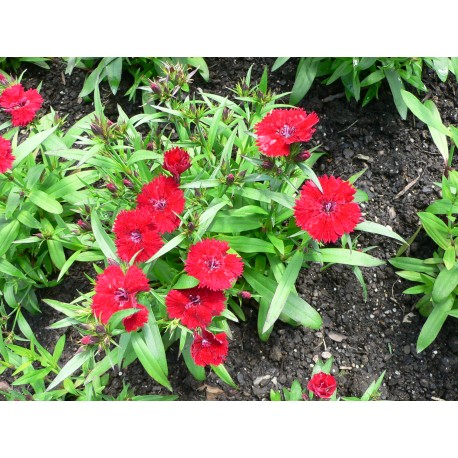 View larger
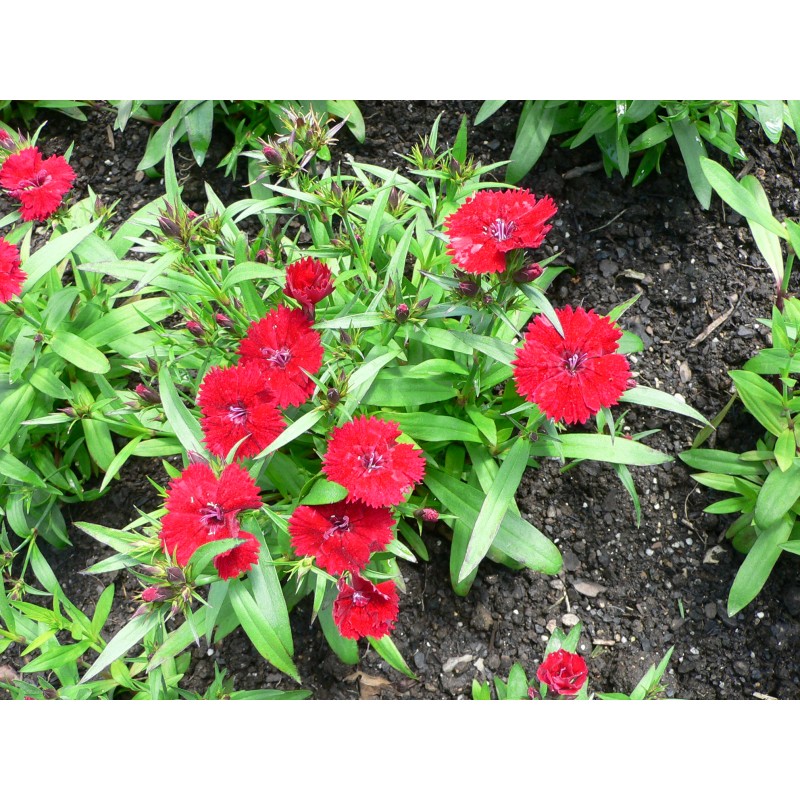
China Pink Seeds
New product
20 Items
More info
- China Pink Seeds
- The China Pink Plant
- How to Sow China Pink
- How to Grow China Pink
- Tips for Growing China Pink
- China Pink Diseases and Pests
- Uses and Curiosities of China Pink
China Pink Seeds
China Pink (Dianthus chinensis) is a herbaceous plant native to northern China, Korea and Mongolia, grown as an annual for its compact habit and abundant blooming. The flowers, 3-4 cm wide with slightly fringed petals, bloom in shades of white, pink and red from late spring to autumn.
The China Pink Plant
It belongs to the Caryophyllaceae family, the same as classic carnations, and is characterised by a compact bush 25-35 cm tall with thin, linear, greyish-green leaves. Flowers may appear singly or in small clusters at the tips of the stems.
The genus name "Dianthus" comes from Greek and means "divine flower", a testament to how highly this plant has been valued since ancient times.
How to Sow China Pink
Sow in a protected seedbed from February to March, or directly outdoors in April-May once the risk of frost has passed. Bury the seeds just a few millimetres deep.
How to Grow China Pink
It prefers ordinary, well-drained soil, even poor or stony, and a very sunny position with at least 4-6 hours of direct light a day. Water moderately, increasing only during prolonged dry spells.
Regularly deadheading spent flowers encourages new blooms and extends the plant's display in the garden or in pots.
Tips for Growing China Pink
Thanks to its compact, bushy habit it's perfect for low borders, flower beds and balcony pots. In rocky or well-drained soil it tends to self-seed abundantly if some seed pods are left to mature.
China Pink Diseases and Pests
A hardy plant rarely affected by disease when grown in well-drained soil. Waterlogging can lead to root rot; aphids may occasionally appear on young shoots.
Uses and Curiosities of China Pink
China Pink flowers are edible and sometimes used to decorate dishes and salads. In Korea they are traditionally worn or given as gifts during Parents' Day and Teachers' Day, while in China the carnation is linked to marriage symbolism.