

No products
Semi fiori ornamentali
-
Semi ortaggi
-
Summer vegetables seeds
- Garlic seeds
- Watermelon seeds
- Asparagus seeds
- Chili seeds
- Beet seeds
- Basil seeds
- Chard seeds
- Cabbage seeds
- Onion seeds
- Carrot seeds
- artichoke seeds
- Cucumber seeds
- Strawberry seeds
- Bean and green bean seeds
- Broad bean seeds
- Lettuce seeds
- Corn seed
- Eggplant seeds
- Melon seeds
- Okra seeds
- Tomato seeds
- Pea seeds
- Leek seeds
- Pepper seeds
- Radish seeds
- Arugula seeds
- Shallot seeds
- Celery seeds
- Spinach seeds
- Valerian seeds
- Pumpkin seeds
- Courgette seeds
-
Winter vegetables seeds
- broccoli seeds
- cauliflower seeds
- semi di cavolo
- fennel seeds
- Semi di lattuga
- chicory seeds
- Radicchio seeds
- Rocket seeds
- Chard and Beet Seeds
- Escarole Seeds
- Onion Seeds
- Basil Seeds
- Chard Seeds
- Artichoke Seeds
- Carrot Seeds
- Cucumber Seeds
- Bean Seeds
- Endive Seeds
- Leek Seeds
- Parsley Seeds
- Celery Seeds
- Spinach Seeds
- Valerian Seeds
-
Summer vegetables seeds
- Peperoncino secco
- Peperoncino in polvere
- Semi piante aromatiche
- Prati e tappeti erbosi
- Semi fiori ornamentali
- Fertilizzanti
- Fertilizzante solido
- Spezie
- eBook
- Bulbi
- Starter kit / Micro orto
- Idea regalo / Bomboniere
- Patate e tuberi da semina
- Buoni regalo digitali
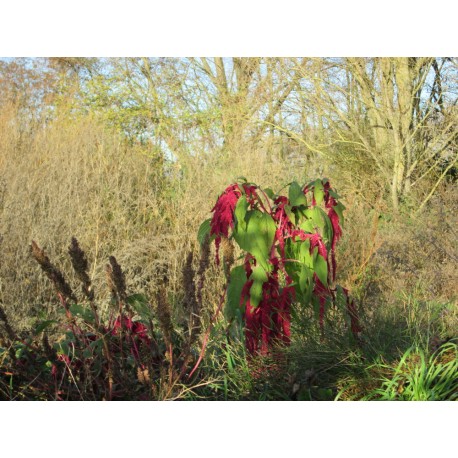 View larger
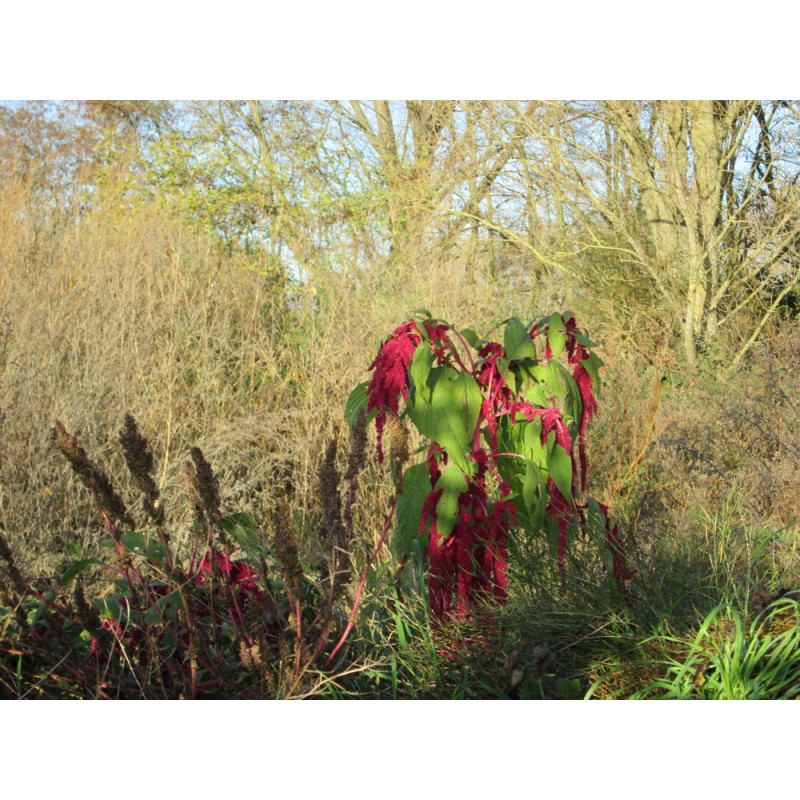
Love-Lies-Bleeding Seeds
New product
20 Items
More info
- Love-Lies-Bleeding Seeds
- The Love-Lies-Bleeding Plant
- How to Sow Love-Lies-Bleeding
- How to Grow Love-Lies-Bleeding
- Tips for Growing Love-Lies-Bleeding
- Love-Lies-Bleeding Diseases and Pests
- Uses and Curiosities of Love-Lies-Bleeding
Love-Lies-Bleeding Seeds
Love-Lies-Bleeding (Amaranthus caudatus) is an annual herbaceous plant native to South America, grown for its spectacular drooping, feathery flower spikes in deep red-purple. It can reach one metre in height and blooms from summer until the first autumn frosts.
The Love-Lies-Bleeding Plant
It belongs to the Amaranthaceae family and has a bushy habit, with large, dark green, ovate leaves. The long, drooping flower spikes hold countless tiny dark seeds and stay decorative throughout the season.
Thanks to its C4 photosynthetic metabolism, particularly efficient in heat and drought, amaranth is an extremely hardy and vigorous plant.
How to Sow Love-Lies-Bleeding
Sow from February to May in a protected seedbed, or directly outdoors from late spring once the risk of frost has passed. Bury the seeds just a few millimetres deep.
How to Grow Love-Lies-Bleeding
It prefers a sunny position, sheltered from strong winds that could damage the thin stems and drooping flower spikes. It tolerates short dry spells, but for best growth water regularly, letting the soil dry between waterings.
Its powerful roots can draw nutrients from deep in the soil, making it adaptable to different soil types.
Tips for Growing Love-Lies-Bleeding
Ideal for adding bold splashes of colour to the garden, filling flower beds, or growing in pots where its dramatic trailing spikes can be fully appreciated. It also works well as a cut or dried flower for decorative arrangements.
Love-Lies-Bleeding Diseases and Pests
A very hardy, resilient plant; aphids are the only pest that may occasionally cause damage. Avoid overwatering, which can lead to root rot.
Uses and Curiosities of Love-Lies-Bleeding
The name comes from the Greek "amarantos", meaning "unfading", hence the symbolism of immortality attached to this plant since ancient times. In some Latin American traditions the protein-rich seeds are used as a pseudocereal in soups, porridge and baked goods, while the young leaves are cooked and eaten like spinach.