

No products
Semi fiori ornamentali
-
Semi ortaggi
-
Summer vegetables seeds
- Garlic seeds
- Watermelon seeds
- Asparagus seeds
- Chili seeds
- Beet seeds
- Basil seeds
- Chard seeds
- Cabbage seeds
- Onion seeds
- Carrot seeds
- artichoke seeds
- Cucumber seeds
- Strawberry seeds
- Bean and green bean seeds
- Broad bean seeds
- Lettuce seeds
- Corn seed
- Eggplant seeds
- Melon seeds
- Okra seeds
- Tomato seeds
- Pea seeds
- Leek seeds
- Pepper seeds
- Radish seeds
- Arugula seeds
- Shallot seeds
- Celery seeds
- Spinach seeds
- Valerian seeds
- Pumpkin seeds
- Courgette seeds
-
Winter vegetables seeds
- broccoli seeds
- cauliflower seeds
- semi di cavolo
- fennel seeds
- Semi di lattuga
- chicory seeds
- Radicchio seeds
- Rocket seeds
- Chard and Beet Seeds
- Escarole Seeds
- Onion Seeds
- Basil Seeds
- Chard Seeds
- Artichoke Seeds
- Carrot Seeds
- Cucumber Seeds
- Bean Seeds
- Endive Seeds
- Leek Seeds
- Parsley Seeds
- Celery Seeds
- Spinach Seeds
- Valerian Seeds
-
Summer vegetables seeds
- Peperoncino secco
- Peperoncino in polvere
- Semi piante aromatiche
- Prati e tappeti erbosi
- Semi fiori ornamentali
- Fertilizzanti
- Fertilizzante solido
- Spezie
- eBook
- Bulbi
- Starter kit / Micro orto
- Idea regalo / Bomboniere
- Patate e tuberi da semina
- Buoni regalo digitali
- TEST posizioni
 View larger
Foxglove Seeds
New product
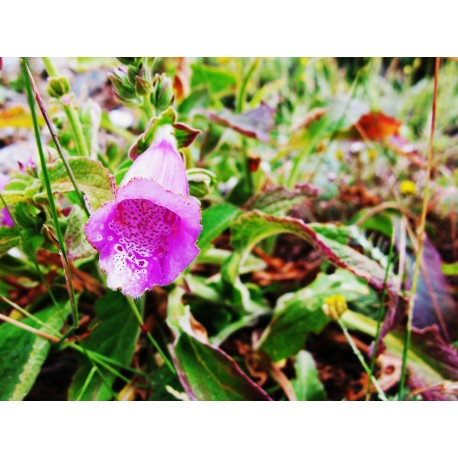
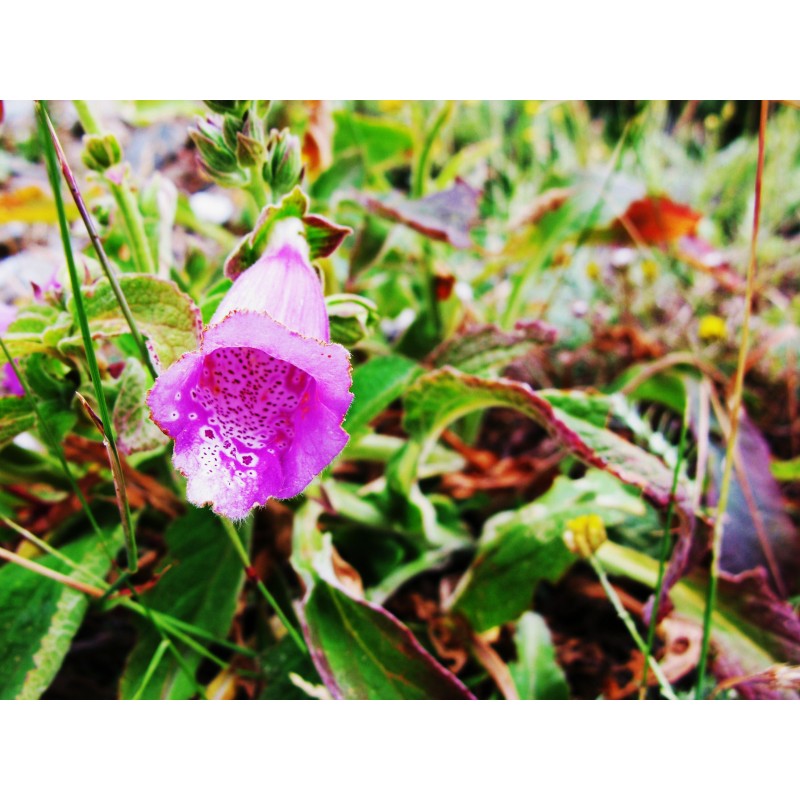
[Digitalis purpurea] Biennial plant with large bell-shaped flowers, pink-purple with a spotted throat, arranged in tall vertical spikes. Reaches 100-150 cm in height, flowering from June to July in its second year. Ideal for back borders, woodland gardens and cottage gardens: a favourite of bees and bumblebees. Note: ornamental plant, all parts are toxic if ingested, keep away from children and pets.
20 Items
More info
- Foxglove Seeds
- The Foxglove Plant
- How to Sow Foxglove
- How to Grow Foxglove
- Useful Tips
- Diseases and Pests
- Uses and Curiosities
Foxglove Seeds
Digitalis purpurea (Foxglove) seeds let you grow one of the most striking flowers of English-style gardens: tall spikes of large bell-shaped flowers, typically pink-purple with a spotted throat. Native to European woodlands and clearings, it is now a classic choice for back borders and cottage gardens.
The Foxglove Plant
It belongs to the Plantaginaceae family (formerly Scrophulariaceae). It is a biennial: in the first year it forms only a basal rosette of dark green lance-shaped leaves, and in the second year it sends up a single upright flower stalk that can reach 100-150 cm or more. The tubular flowers are arranged all around the spike, opening from the bottom upward.
How to Sow Foxglove
Sowing is done in late spring or early summer, in seed trays or directly in open ground at a very shallow depth: the seeds are extremely fine and need light to germinate, so they should just be pressed onto moist soil, not buried. They generally germinate in 2-3 weeks at about 18-20 degrees.
- Sowing period: May to early summer
- Sowing depth: surface sown, not covered
- Spacing between plants: 30-40 cm
- Exposure: partial shade or sun with afternoon shade
- Flowering: June-July of the second year
- Plant height: 100-150 cm
How to Grow Foxglove
It prefers light, well-drained soil, rich in organic matter and slightly acidic. It grows well even in shaded or partially shaded positions, unlike many other border plants. Watering should be kept regular without waterlogging, which the plant tolerates poorly.
Useful Tips
Cutting the flower stalk halfway through flowering can encourage a second, later bloom. If you want the plant to self-seed naturally, let the stems go to seed instead. In winter, the basal rosette benefits from protective mulching in colder areas.
Diseases and Pests
A fairly hardy plant, not much affected by major pests. It can be affected by fungal leaf spots or powdery mildew in conditions of high humidity and poor air circulation. Slugs and snails can damage young rosettes as soon as they emerge.
Uses and Curiosities
The scientific name comes from the Latin "digitus", referring to the thimble-like shape of the flower. Historically, foxglove was the source of cardiotonic compounds used in pharmacology, but it is important to remember that ALL parts of the plant are toxic if ingested: it should be grown for ornamental purposes only, handled with gloves and kept away from children and pets. In the garden it pairs well with ferns and ornamental grasses in shaded areas, and is much loved by bees and bumblebees.