

No products
Semi fiori ornamentali
-
Semi ortaggi
-
Summer vegetables seeds
- Garlic seeds
- Watermelon seeds
- Asparagus seeds
- Chili seeds
- Beet seeds
- Basil seeds
- Chard seeds
- Cabbage seeds
- Onion seeds
- Carrot seeds
- artichoke seeds
- Cucumber seeds
- Strawberry seeds
- Bean and green bean seeds
- Broad bean seeds
- Lettuce seeds
- Corn seed
- Eggplant seeds
- Melon seeds
- Okra seeds
- Tomato seeds
- Pea seeds
- Leek seeds
- Pepper seeds
- Radish seeds
- Arugula seeds
- Shallot seeds
- Celery seeds
- Spinach seeds
- Valerian seeds
- Pumpkin seeds
- Courgette seeds
-
Winter vegetables seeds
- broccoli seeds
- cauliflower seeds
- semi di cavolo
- fennel seeds
- Semi di lattuga
- chicory seeds
- Radicchio seeds
- Rocket seeds
- Chard and Beet Seeds
- Escarole Seeds
- Onion Seeds
- Basil Seeds
- Chard Seeds
- Artichoke Seeds
- Carrot Seeds
- Cucumber Seeds
- Bean Seeds
- Endive Seeds
- Leek Seeds
- Parsley Seeds
- Celery Seeds
- Spinach Seeds
- Valerian Seeds
-
Summer vegetables seeds
- Peperoncino secco
- Peperoncino in polvere
- Semi piante aromatiche
- Prati e tappeti erbosi
- Semi fiori ornamentali
- Fertilizzanti
- Fertilizzante solido
- Spezie
- eBook
- Bulbi
- Starter kit / Micro orto
- Idea regalo / Bomboniere
- Patate e tuberi da semina
- Buoni regalo digitali
- TEST posizioni
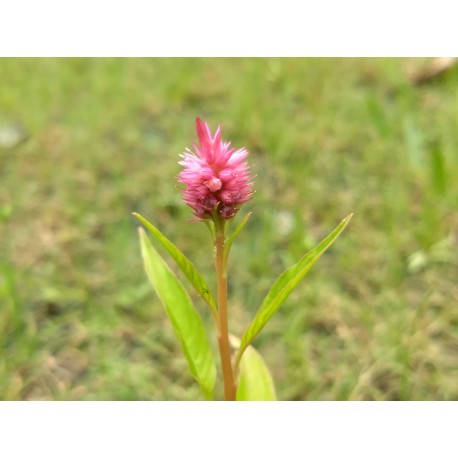 View larger
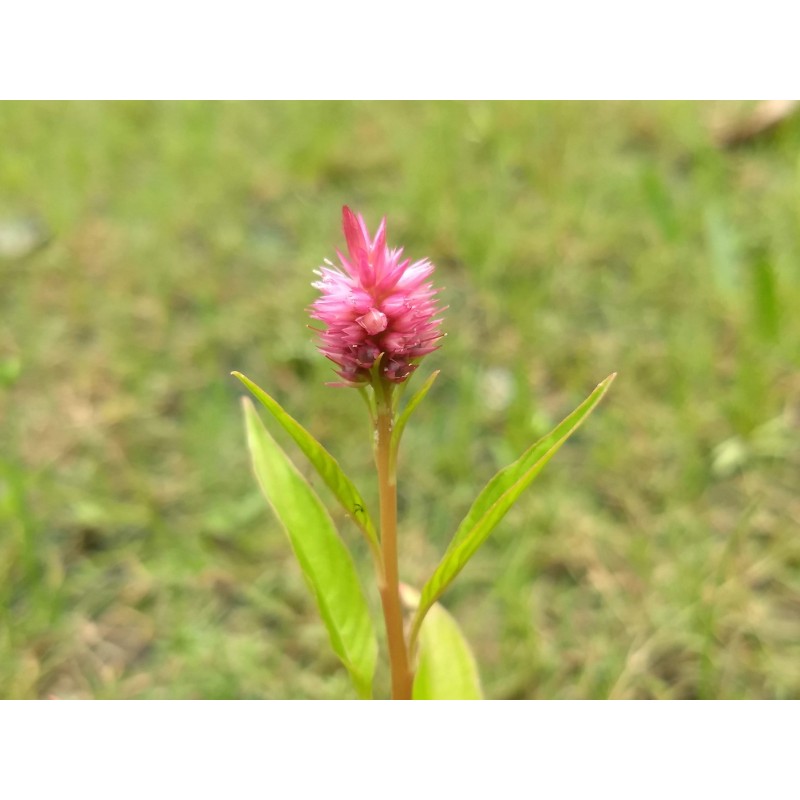
Celosia Seeds
New product
20 Items
More info
- Celosia Seeds
- The Celosia Plant
- How to Sow Celosia
- How to Grow Celosia
- Tips for Growing Celosia
- Diseases and Pests of Celosia
- Uses and Curiosities of Celosia
Celosia Seeds
Celosia (Celosia argentea) is an annual plant in the Amaranth family, grown for centuries for its striking feathery or crested flower heads. Native to tropical regions of Asia, Africa and America, it is also known as Cockscomb or Woolflower for the shape of its blooms.
The Celosia Plant
The most common varieties all derive from Celosia argentea: the Cristata group produces compact, wavy flower heads resembling a rooster's comb, while the Plumosa group produces light, feathery plumes like small colorful flames. The flowers, gathered into dense terminal inflorescences, can last up to eight weeks on the plant.
The leaves are lance-shaped, green and sometimes bronze-red depending on the variety, and flower colors range from bright red to yellow, orange, pink and purple.
How to Sow Celosia
Sow from February in a heated seedbed (around 20°C) or directly outdoors from April, once frost danger has passed, as Celosia is frost-tender and does not tolerate temperatures below 12°C. Sow the seeds just a few millimeters deep in light, well-drained soil.
How to Grow Celosia
Celosia prefers sunny spots and fertile, well-drained soil. Water regularly but avoid waterlogging, increasing frequency during the hottest months. Deadheading spent flowers encourages new blooms and extends flowering from summer into autumn.
It is ideal both for flower beds and borders and for container growing on balconies and terraces.
Tips for Growing Celosia
Taller varieties may need staking to support the weight of the flower heads. In areas with very hot summers, some afternoon shade is beneficial. The flowers are also excellent for drying, keeping their color for long-lasting decorative arrangements.
Diseases and Pests of Celosia
Celosia is generally resistant, but in poorly drained soil it can be affected by root rot and the fungus Rhizoctonia solani, which causes the plant to decline. Good drainage and avoiding standing water are key to preventing these issues.
Uses and Curiosities of Celosia
The name Celosia comes from the Greek "keleos", meaning burnt, referring to the flame-like colors of its flowers. In the language of flowers it symbolizes immortality. It is widely used as a cut and dried flower for its long-lasting vivid colors, and in several Asian and African cuisines the young leaves and flowers are also eaten as a vegetable.