

No products
Strawberry seeds
-
Semi ortaggi
-
Summer vegetables seeds
- Garlic seeds
- Watermelon seeds
- Asparagus seeds
- Chili seeds
- Beet seeds
- Basil seeds
- Chard seeds
- Cabbage seeds
- Onion seeds
- Carrot seeds
- artichoke seeds
- Cucumber seeds
- Strawberry seeds
- Bean and green bean seeds
- Broad bean seeds
- Lettuce seeds
- Corn seed
- Eggplant seeds
- Melon seeds
- Okra seeds
- Tomato seeds
- Pea seeds
- Leek seeds
- Pepper seeds
- Radish seeds
- Arugula seeds
- Shallot seeds
- Celery seeds
- Spinach seeds
- Valerian seeds
- Pumpkin seeds
- Courgette seeds
-
Winter vegetables seeds
- broccoli seeds
- cauliflower seeds
- semi di cavolo
- fennel seeds
- Semi di lattuga
- chicory seeds
- Radicchio seeds
- Rocket seeds
- Chard and Beet Seeds
- Escarole Seeds
- Onion Seeds
- Basil Seeds
- Chard Seeds
- Artichoke Seeds
- Carrot Seeds
- Cucumber Seeds
- Bean Seeds
- Endive Seeds
- Leek Seeds
- Parsley Seeds
- Celery Seeds
- Spinach Seeds
- Valerian Seeds
-
Summer vegetables seeds
- Peperoncino secco
- Peperoncino in polvere
- Semi piante aromatiche
- Prati e tappeti erbosi
- Semi fiori ornamentali
- Fertilizzanti
- Fertilizzante solido
- Spezie
- eBook
- Bulbi
- Starter kit / Micro orto
- Idea regalo / Bomboniere
- Patate e tuberi da semina
- Buoni regalo digitali
- TEST posizioni
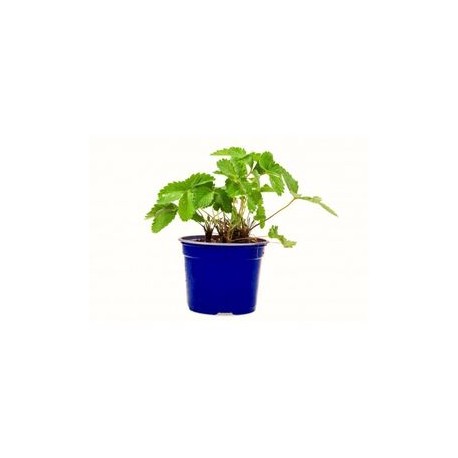 View larger
White Pineberry Strawberry Seeds
New product
Unique white-fleshed strawberry with red seeds and a flavor reminiscent of pineapple. Non-remontant perennial, cold-hardy.
100 Items
More info
- White Pineberry Strawberry
- The White Pineberry Strawberry Plant
- How to Sow White Pineberry Strawberry
- How to Grow White Pineberry Strawberry
- Tips for Growing White Pineberry Strawberry
- Diseases and Pests of the White Pineberry Strawberry
- Properties of the White Pineberry Strawberry
- Nutritional Values of the White Pineberry Strawberry (per 100 g)
White Pineberry Strawberry
Also known as Pineberry, the White Pineberry Strawberry is a surprising fruit: the flesh stays white or very pale pink even at full ripeness, dotted with red seeds in striking color contrast. The flavor recalls pineapple combined with a sweet, slightly tangy strawberry taste.
The White Pineberry Strawberry Plant
Its botanical name is Fragaria x ananassa, belonging to the Rosaceae family. It is a non-remontant, single-crop variety, a small perennial shrub about 15-30 cm tall, forming clumps of basal trifoliate leaves in bright green.
In spring it produces small white or pinkish-white five-petaled flowers, followed by the characteristic white false fruits. The pale color is not an anomaly, but results from the low presence of the Fra a1 protein, responsible for red pigmentation in common strawberries.
How to Sow White Pineberry Strawberry
Sowing takes place from late winter to early spring, in a protected seedbed, or in autumn in mild-climate areas. Transplanting outdoors occurs once the seedlings have developed a few true leaves.
How to Grow White Pineberry Strawberry
It prefers cool, shaded or partly shaded spots, with soil rich in organic matter and well drained. It is cold-hardy: even in harsh winters, the above-ground part may die back but the plant regrows without problems in spring.
Being non-remontant, it flowers only once in spring, producing fruit between May and July.
Tips for Growing White Pineberry Strawberry
Mulching the soil is recommended to retain moisture and protect the small fruits from direct contact with the ground. Regular watering, without waterlogging, promotes optimal fruit development and enhances the characteristic pineapple aroma.
Diseases and Pests of the White Pineberry Strawberry
Like other strawberries, it can be subject to attacks by aphids, mites and slugs, as well as grey mold (Botrytis) in excessively humid conditions. Good air circulation between plants and removal of damaged fruit help prevent fungal infections.
Properties of the White Pineberry Strawberry
Thanks to its low acidity it is particularly easy to digest, and due to the absence of the Fra a1 protein it may be better tolerated by those allergic to traditional strawberries (it is still advisable to consult a doctor in case of known allergies).
Nutritional Values of the White Pineberry Strawberry (per 100 g)
- Calories: 32 kcal
- Protein: 0.7 g
- Fat: 0.3 g
- Carbohydrates: 7.7 g
- Fiber: 2 g
- Vitamin C: 59 mg
- Potassium: 153 mg