

No products
Tomato seeds
-
Semi ortaggi
-
Summer vegetables seeds
- Garlic seeds
- Watermelon seeds
- Asparagus seeds
- Chili seeds
- Beet seeds
- Basil seeds
- Chard seeds
- Cabbage seeds
- Onion seeds
- Carrot seeds
- artichoke seeds
- Cucumber seeds
- Strawberry seeds
- Bean and green bean seeds
- Broad bean seeds
- Lettuce seeds
- Corn seed
- Eggplant seeds
- Melon seeds
- Okra seeds
- Tomato seeds
- Pea seeds
- Leek seeds
- Pepper seeds
- Radish seeds
- Arugula seeds
- Shallot seeds
- Celery seeds
- Spinach seeds
- Valerian seeds
- Pumpkin seeds
- Courgette seeds
-
Winter vegetables seeds
- broccoli seeds
- cauliflower seeds
- semi di cavolo
- fennel seeds
- Semi di lattuga
- chicory seeds
- Radicchio seeds
- Rocket seeds
- Chard and Beet Seeds
- Escarole Seeds
- Onion Seeds
- Basil Seeds
- Chard Seeds
- Artichoke Seeds
- Carrot Seeds
- Cucumber Seeds
- Bean Seeds
- Endive Seeds
- Leek Seeds
- Parsley Seeds
- Celery Seeds
- Spinach Seeds
- Valerian Seeds
-
Summer vegetables seeds
- Peperoncino secco
- Peperoncino in polvere
- Semi piante aromatiche
- Prati e tappeti erbosi
- Semi fiori ornamentali
- Fertilizzanti
- Fertilizzante solido
- Spezie
- eBook
- Bulbi
- Starter kit / Micro orto
- Idea regalo / Bomboniere
- Patate e tuberi da semina
- Buoni regalo digitali
- TEST posizioni
 View larger
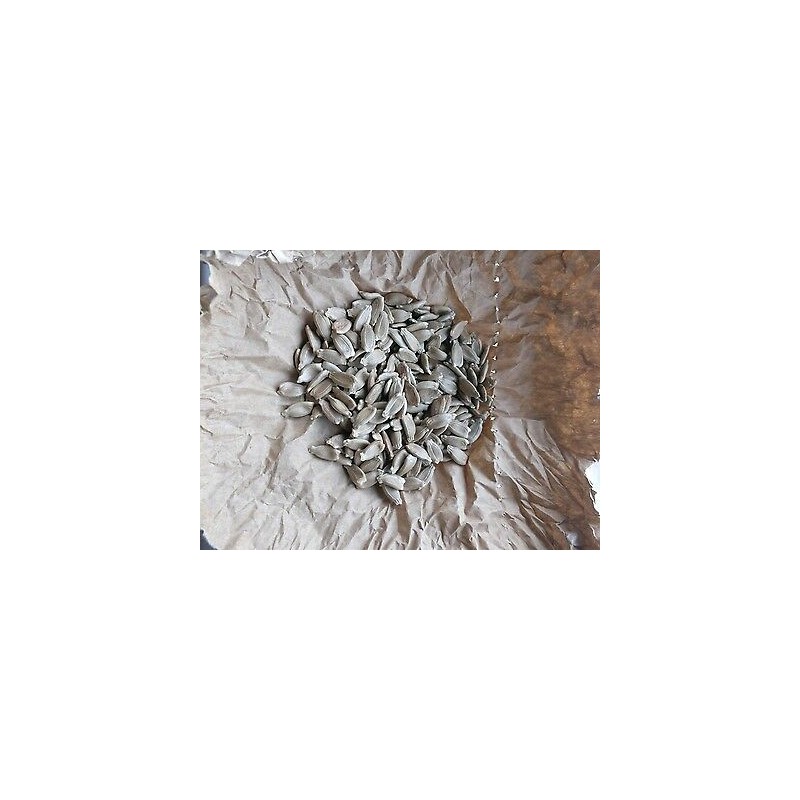
Corleone tomato seeds
New product
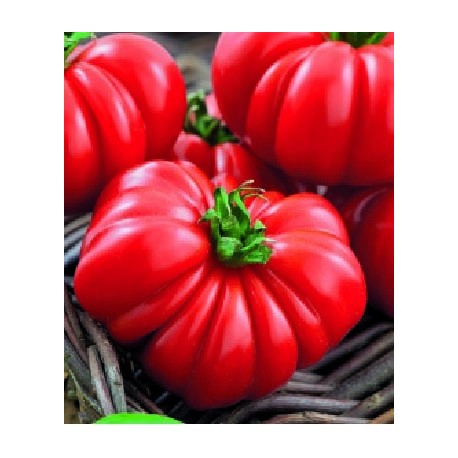
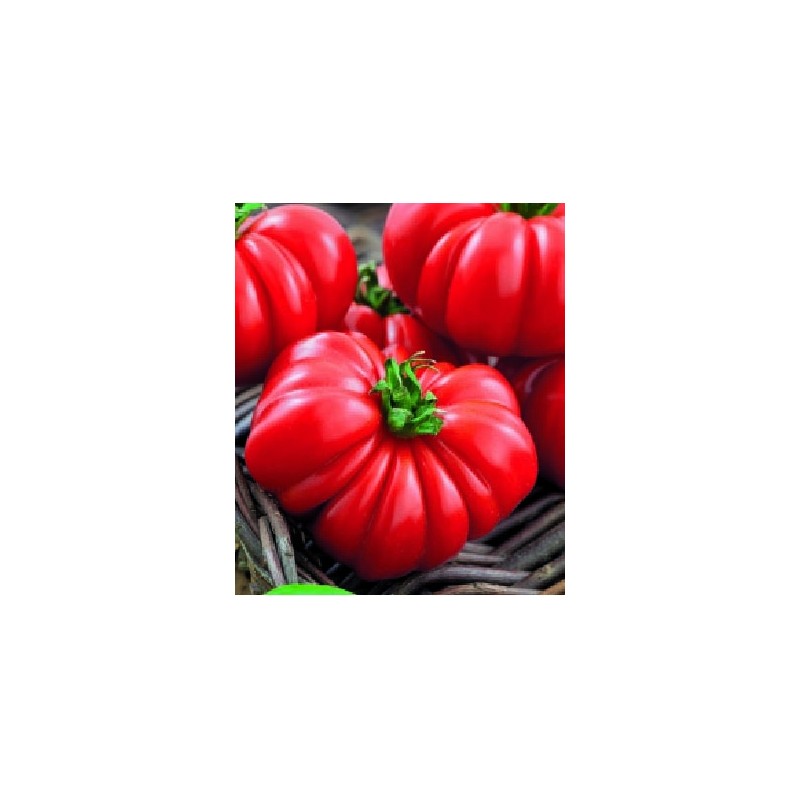
Suited to open-field growing, this rustic, medium-cycle variety produces tomatoes weighing between 100 and 120 g, with a flattened, ribbed shape and meaty red flesh.
96 Items
More info
Origin and characteristics
The Corleone tomato is a traditional variety grown mainly in Sicily, particularly around Palermo and Trapani, from which the town of Corleone gives it its name. The fruits are round and flattened, strongly ribbed, and typically weigh between 100 and 120 grams. The flesh is red, meaty and full of old-fashioned flavour, prized both for eating fresh and for making sauces.
The plant
This is a rustic, hardy variety with a medium growth cycle and determinate growth habit. The plant is particularly well suited to open-field cultivation, where it best expresses its rusticity and productivity.
Sowing and transplanting
Sow from February to March, indoors in seedbeds or in a heated greenhouse, using a soft, fertile, well-drained and moist potting soil. Scatter the seeds or sow in rows spaced 10-15 cm apart, covering with a thin layer of soil. Keep a steady temperature of 18-20°C and water regularly with lukewarm water. Transplant outdoors between April and May, once seedlings reach 10-15 cm in height with at least 4-5 true leaves.
Growing
The Corleone tomato is grown outdoors from April to September, in a sunny position sheltered from wind. Choose soil rich in organic matter, well irrigated, neutral, well-drained and medium-textured. Fertilise at least 20 days before transplanting with well-rotted manure or compost and/or slow-release mineral fertilisers, with a balanced ratio of nitrogen, phosphorus and potassium.
Useful tips
For a good harvest, choose healthy, sturdy seedlings free of disease or pest signs, and avoid transplanting too early or too late, which can hinder development. Protect plants from late frosts and heatwaves with covers or tunnels, and avoid water stress, which can cause fruit cracking or flower drop. Harvest when fruits are fully ripe but still firm, and store them in a cool, dry place away from direct light.
Diseases and pests
The Corleone tomato is a rustic, generally resistant variety, but it can still be affected by fungal diseases such as alternaria and downy mildew, especially in humid conditions. Common pests include aphids and tuta absoluta. Proper crop rotation and preventive treatments help reduce the risks.
Culinary uses
Thanks to its meaty flesh and bold flavour, the Corleone tomato is perfect for traditional-style sauces and passata, as well as for fresh use in salads, where its firm texture and authentic taste are especially appreciated.
Quick facts
- Botanical name: Solanum lycopersicum
- Origin: Sicily (Palermo and Trapani areas)
- Sowing: February - March (seedbed)
- Transplanting: April - May
- Field growing: April - September
- Fruit weight: 100-120 g