

No products
Tomato seeds
-
Semi ortaggi
-
Summer vegetables seeds
- Garlic seeds
- Watermelon seeds
- Asparagus seeds
- Chili seeds
- Beet seeds
- Basil seeds
- Chard seeds
- Cabbage seeds
- Onion seeds
- Carrot seeds
- artichoke seeds
- Cucumber seeds
- Strawberry seeds
- Bean and green bean seeds
- Broad bean seeds
- Lettuce seeds
- Corn seed
- Eggplant seeds
- Melon seeds
- Okra seeds
- Tomato seeds
- Pea seeds
- Leek seeds
- Pepper seeds
- Radish seeds
- Arugula seeds
- Shallot seeds
- Celery seeds
- Spinach seeds
- Valerian seeds
- Pumpkin seeds
- Courgette seeds
-
Winter vegetables seeds
- broccoli seeds
- cauliflower seeds
- semi di cavolo
- fennel seeds
- Semi di lattuga
- chicory seeds
- Radicchio seeds
- Rocket seeds
- Chard and Beet Seeds
- Escarole Seeds
- Onion Seeds
- Basil Seeds
- Chard Seeds
- Artichoke Seeds
- Carrot Seeds
- Cucumber Seeds
- Bean Seeds
- Endive Seeds
- Leek Seeds
- Parsley Seeds
- Celery Seeds
- Spinach Seeds
- Valerian Seeds
-
Summer vegetables seeds
- Peperoncino secco
- Peperoncino in polvere
- Semi piante aromatiche
- Prati e tappeti erbosi
- Semi fiori ornamentali
- Fertilizzanti
- Fertilizzante solido
- Spezie
- eBook
- Bulbi
- Starter kit / Micro orto
- Idea regalo / Bomboniere
- Patate e tuberi da semina
- Buoni regalo digitali
 View larger

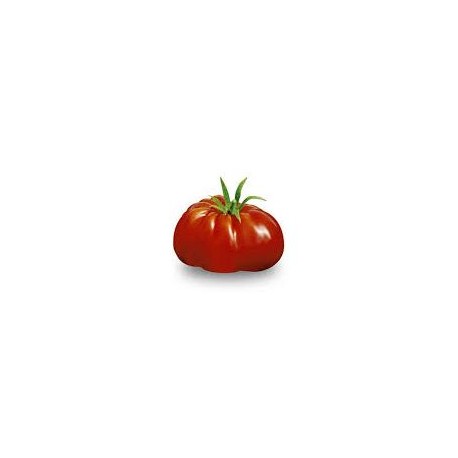
Tomato Patataro seeds
New product
These seeds grow a variety with leaves very similar to those of a potato plant, which is where its name comes from. It needs to be transplanted into mineral-rich soil. The tomatoes have an excellent flavour, reach a considerable weight and are deep red in colour.
94 Items
More info
- Patataro Tomato Seeds
- The Patataro Plant
- How to Sow Patataro
- How to Grow Patataro
- Tips for Growing Patataro
- Diseases and Pests of Patataro
- Properties of Patataro
- Nutritional Values of Patataro (per 100 g)
Patataro Tomato Seeds
The Patataro tomato, also called Kilotto, owes its name to leaves shaped like those of a potato plant and to the weight of its fruit, which at full ripeness can easily exceed one kilogram. It is an old variety, much loved in central Italy for its bold flavour and generous yield.
The Patataro Plant
It belongs to the Solanaceae family, with an upright habit and indeterminate growth: it is a sturdy, healthy plant with excellent leaf cover that naturally shields the fruit from sun scald.
The fruit is irregular and ribbed in shape, deep red in colour, with firm, low-water, low-acidity flesh that is almost seedless: ideal both for fresh eating and for sauces and preserves.
How to Sow Patataro
Sow in seedbeds in February, sheltered from the cold; transplant into open ground from late March, protected with plastic film or white row cover, up to mid-April for later plantings.
How to Grow Patataro
It prefers fertile, well-worked, loose soil, with about 50 cm between rows and 40 cm between plants in the row. Given the plant's high nutritional demands, regular organic fertilising is needed.
Being indeterminate, it needs a sturdy stake from transplanting onward to support the considerable weight of the fruit throughout the growing cycle.
Tips for Growing Patataro
Avoid growing it after aubergine, pepper or potato in the same rotation. Transplanting can be done deep, even burying half the stem, adding organic soil rich in copper, potassium, zinc and magnesium near the root.
Diseases and Pests of Patataro
Fairly resistant to early blight, anthracnose and septoria, it can still be affected by downy mildew, fusarium wilt and verticillium wilt: prevent with crop rotation, base watering and good airflow between plants.
Properties of Patataro
Rich in water, lycopene and minerals, the Patataro tomato supports hydration and overall wellbeing. Its firm, low-water flesh makes it perfect for thick sauces and long-lasting preserves.
Nutritional Values of Patataro (per 100 g)
- Energy: 18 kcal
- Protein: 0.9 g
- Fat: 0.2 g
- Carbohydrates: 3.9 g
- Fibre: 1.2 g
- Vitamin C: 14 mg
- Potassium: 237 mg