

No products
Watermelon seeds
-
Semi ortaggi
-
Summer vegetables seeds
- Garlic seeds
- Watermelon seeds
- Asparagus seeds
- Chili seeds
- Beet seeds
- Basil seeds
- Chard seeds
- Cabbage seeds
- Onion seeds
- Carrot seeds
- artichoke seeds
- Cucumber seeds
- Strawberry seeds
- Bean and green bean seeds
- Broad bean seeds
- Lettuce seeds
- Corn seed
- Eggplant seeds
- Melon seeds
- Okra seeds
- Tomato seeds
- Pea seeds
- Leek seeds
- Pepper seeds
- Radish seeds
- Arugula seeds
- Shallot seeds
- Celery seeds
- Spinach seeds
- Valerian seeds
- Pumpkin seeds
- Courgette seeds
-
Winter vegetables seeds
- broccoli seeds
- cauliflower seeds
- semi di cavolo
- fennel seeds
- Semi di lattuga
- chicory seeds
- Radicchio seeds
- Rocket seeds
- Chard and Beet Seeds
- Escarole Seeds
- Onion Seeds
- Basil Seeds
- Chard Seeds
- Artichoke Seeds
- Carrot Seeds
- Cucumber Seeds
- Bean Seeds
- Endive Seeds
- Leek Seeds
- Parsley Seeds
- Celery Seeds
- Spinach Seeds
- Valerian Seeds
-
Summer vegetables seeds
- Peperoncino secco
- Peperoncino in polvere
- Semi piante aromatiche
- Prati e tappeti erbosi
- Semi fiori ornamentali
- Fertilizzanti
- Fertilizzante solido
- Spezie
- eBook
- Bulbi
- Starter kit / Micro orto
- Idea regalo / Bomboniere
- Patate e tuberi da semina
- Buoni regalo digitali
- TEST posizioni
 View larger
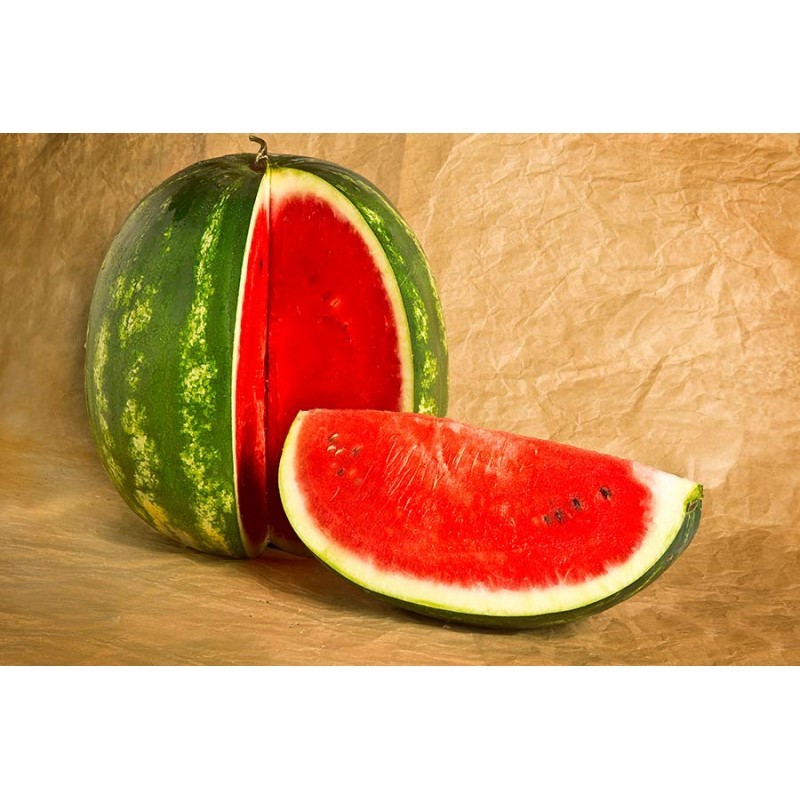
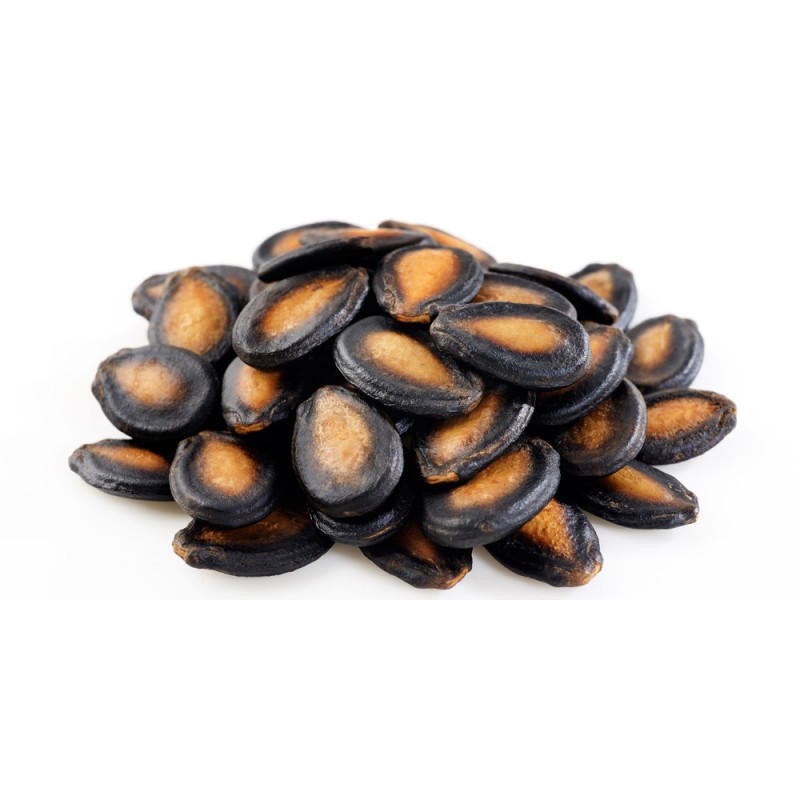
Crimson Sweet Watermelon
New product
A vigorous, high-yielding plant producing fruits up to 15 kg, with a thick light green rind streaked in dark green and firm, fine-textured red flesh.
100 Items
More info
- Crimson Sweet Watermelon Seeds
- The Crimson Sweet watermelon plant
- How to sow Crimson Sweet watermelon
- How to grow Crimson Sweet watermelon
- Tips for growing Crimson Sweet watermelon
- Diseases and pests of Crimson Sweet watermelon
- Properties of Crimson Sweet watermelon
- Nutritional values of Crimson Sweet watermelon (per 100 g)
Crimson Sweet Watermelon Seeds
Crimson Sweet watermelon seeds produce the most iconic and recognizable watermelon variety, the one with the classic light green rind striped in dark green that everyone associates with summer. It's the ideal choice for anyone seeking an authentic-tasting watermelon with deep red, sweet flesh, rewarding both beginner gardeners and experienced growers thanks to its adaptability and easy cultivation.
The Crimson Sweet watermelon plant
This is a cucurbit (Citrullus lanatus) with a trailing, vine-like habit, with moderately jagged, hairy leaves of deep green that develop along vigorous vines capable of stretching several meters. The plant branches uniformly and adapts easily to different soil types, a trait that makes it one of the most widespread and popular varieties among both hobby and professional growers.
The fruit is round, medium-to-large in size, generally weighing between 10 and 12 kg but capable of reaching up to 15 kg under the best conditions. The rind, smooth and of good thickness, is light green striped with dark green; the flesh inside is deep red, fine-textured, firm and free of hollow cavities, with a sweet, sugary taste and generally high sugar content.
How to sow Crimson Sweet watermelon
Protected seedbed sowing takes place between February and March, while open-field sowing is recommended from April to May, with a minimum soil temperature of at least 20°C. Seeds should be buried 2-4 cm deep, spaced 80-120 cm apart along the row, with 120-170 cm between rows given the vigor of the vines. The optimal germination temperature is around 20-25°C, and the first seedlings usually appear within 7-10 days under favorable conditions.
How to grow Crimson Sweet watermelon
Crimson Sweet prefers a warm temperate climate, ideally dry during the fruit ripening stage, with an optimal temperature of around 25°C and a minimum of 15°C below which growth slows noticeably. The ideal soil has a pH between 5.5 and 6.5, and should be loose, deep, cool, fertile and well-draining to avoid root rot. The growing cycle is medium-early, with fruit ripening generally occurring around 82-85 days after sowing.
Watering should be regular during vegetative growth and fruit swelling, gradually reduced as harvest approaches to concentrate sugars in the flesh. Harvest extends from July to October depending on climate zone and sowing date, and the variety shows fair resistance to splitting, making it well suited for sale and transport too.
Tips for growing Crimson Sweet watermelon
Given how vigorous the vines are, it's important to allow enough space between plants from the start, avoiding overcrowding that limits air circulation and encourages fungal diseases. Placing a support (straw or a board) under developing fruit helps protect them from direct contact with damp soil. In particularly rainy seasons, mulching the soil with black sheeting or straw helps keep the rind clean and limits excess humidity around the fruit.
Diseases and pests of Crimson Sweet watermelon
Crimson Sweet is also valued for its natural resistance to diseases like anthracnose and fusarium wilt, a real advantage compared to more delicate varieties. It's still worth monitoring for powdery mildew and downy mildew during humid periods, applying preventive copper-based treatments if needed. Common pests include aphids and spider mites, which can be managed with regular foliage checks and, if necessary, treatments based on potassium soap or neem oil.
Properties of Crimson Sweet watermelon
The red flesh of Crimson Sweet is largely made up of water, making it extremely hydrating and refreshing, perfect on the hottest summer days. It's naturally low in calories and easy to digest, while providing readily absorbed simple sugars that account for its sweet taste and immediate energy boost. It also contains lycopene, a powerful antioxidant against free radicals, along with a good amount of potassium and vitamin C.
Nutritional values of Crimson Sweet watermelon (per 100 g)
- Calories: 30 kcal
- Protein: 0.6 g
- Fat: 0.2 g
- Carbohydrates: 7.6 g
- Fiber: 0.4 g
- Vitamin C: 8 mg
- Potassium: 112 mg