

No products
Watermelon seeds
-
Semi ortaggi
-
Summer vegetables seeds
- Garlic seeds
- Watermelon seeds
- Asparagus seeds
- Chili seeds
- Beet seeds
- Basil seeds
- Chard seeds
- Cabbage seeds
- Onion seeds
- Carrot seeds
- artichoke seeds
- Cucumber seeds
- Strawberry seeds
- Bean and green bean seeds
- Broad bean seeds
- Lettuce seeds
- Corn seed
- Eggplant seeds
- Melon seeds
- Okra seeds
- Tomato seeds
- Pea seeds
- Leek seeds
- Pepper seeds
- Radish seeds
- Arugula seeds
- Shallot seeds
- Celery seeds
- Spinach seeds
- Valerian seeds
- Pumpkin seeds
- Courgette seeds
-
Winter vegetables seeds
- broccoli seeds
- cauliflower seeds
- semi di cavolo
- fennel seeds
- Semi di lattuga
- chicory seeds
- Radicchio seeds
- Rocket seeds
- Chard and Beet Seeds
- Escarole Seeds
- Onion Seeds
- Basil Seeds
- Chard Seeds
- Artichoke Seeds
- Carrot Seeds
- Cucumber Seeds
- Bean Seeds
- Endive Seeds
- Leek Seeds
- Parsley Seeds
- Celery Seeds
- Spinach Seeds
- Valerian Seeds
-
Summer vegetables seeds
- Peperoncino secco
- Peperoncino in polvere
- Semi piante aromatiche
- Prati e tappeti erbosi
- Semi fiori ornamentali
- Fertilizzanti
- Fertilizzante solido
- Spezie
- eBook
- Bulbi
- Starter kit / Micro orto
- Idea regalo / Bomboniere
- Patate e tuberi da semina
- Buoni regalo digitali
- TEST posizioni
 View larger
Elongated Watermelon
New product
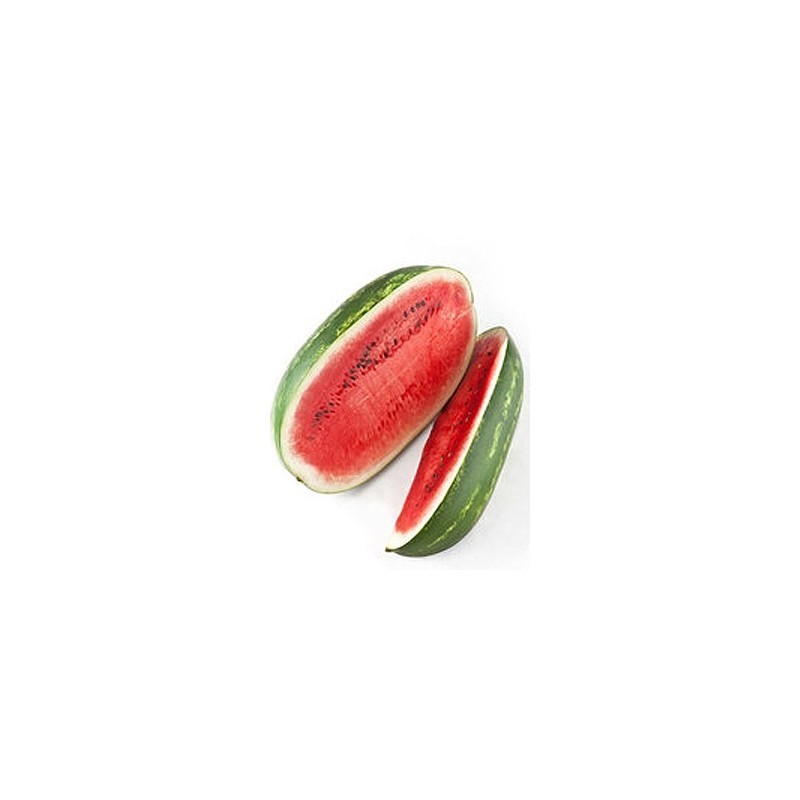
A late-cycle hybrid plant, high-yielding with dense foliage, producing very regular oblong fruit; the bright green rind is thick and sturdy, the flesh sweet.
100 Items
More info
- Elongated Watermelon Seeds
- The elongated watermelon plant
- How to sow elongated watermelon
- How to grow elongated watermelon
- Tips for growing elongated watermelon
- Diseases and pests of elongated watermelon
- Properties of elongated watermelon
- Nutritional values of elongated watermelon (per 100 g)
Elongated Watermelon Seeds
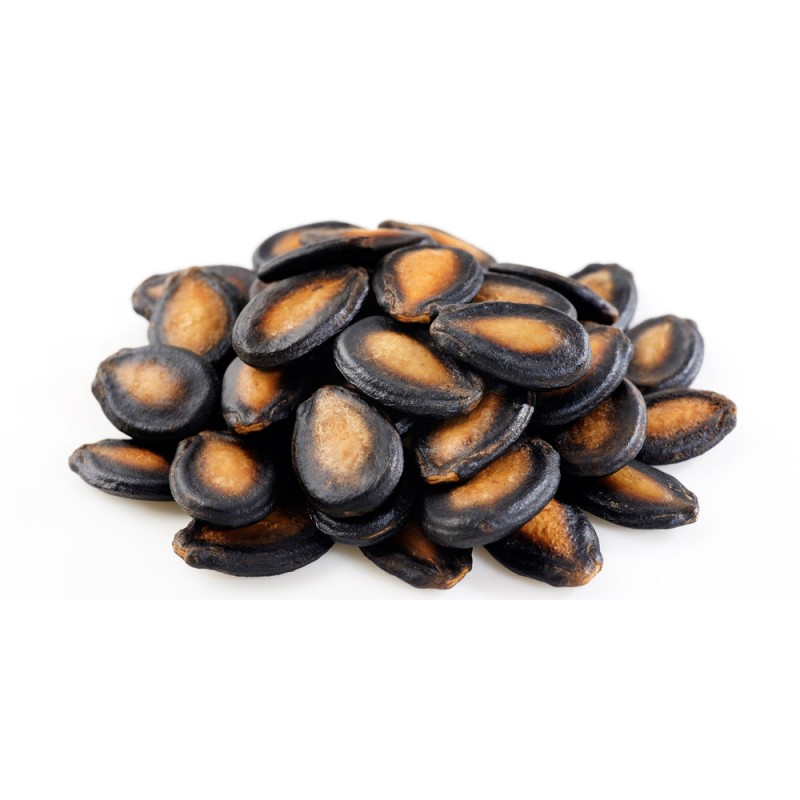
Elongated watermelon seeds produce a hybrid variety with a late cycle, high productivity and dense foliage, giving oblong, very regularly shaped fruit. It's one of the most valued selections for those seeking the classic elongated watermelon with full flavor, known for keeping good size uniformity across the whole harvest.
The elongated watermelon plant
This is a cucurbit (Citrullus lanatus) with a trailing, vine-like habit, characterized by particularly dense foliage that effectively shields developing fruit from direct sun exposure. The vines are sturdy and spread several meters, easily supporting the oblong fruit typical of this late-cycle variety.
The fruit has an elongated, very regular shape, with a bright green rind, thick and sturdy, which makes it easier to store and transport. Inside, the flesh is sweet, firm and juicy, with an intense red color that makes it visually appealing as well as pleasant to eat, keeping a compact texture right through to full ripeness.
How to sow elongated watermelon
Being a late-cycle variety, sowing should be planned with a bit of a head start compared to earlier varieties: in a protected seedbed from February to March, or directly in the open field from April with a minimum soil temperature of around 18-20°C. Seeds should be buried 2-3 cm deep, spaced at least 100 cm apart along the row and 150-180 cm between rows, to allow room for the dense foliage. Germination usually takes place within 7-10 days at temperatures between 22 and 28°C.
How to grow elongated watermelon
Given its late cycle, this variety needs a fairly long, warm season to complete its development: it prefers temperatures between 22 and 32°C, with growth slowing markedly below 15°C. The ideal soil is fertile, deep and well-draining, enriched with organic matter before sowing to support the vigorous vegetative growth and dense foliage typical of the variety.
Watering should stay regular throughout growth and fruit swelling, then be reduced toward the end of the cycle to help concentrate sugars in the flesh. Given the plant's high productivity, it's worth monitoring how many fruits have set per plant and thinning out any excess, in order to get more even, uniform sizes.
Tips for growing elongated watermelon
The elongated shape of the fruit calls for extra care during growth: placing a support (straw or a board) under each fruit prevents irregular curving and reduces direct contact with damp soil, helping to prevent rot. The dense foliage, while offering good sun protection, should still be monitored to ensure good airflow within the plant, an important factor in preventing excess humidity and fungal disease.
Diseases and pests of elongated watermelon
Like all cucurbits, this variety can be affected by powdery mildew and downy mildew, especially where foliage is very dense and airflow is limited: lightly thinning the innermost leaves in more humid areas can help prevent these issues. Common pests include aphids and spider mites, manageable with regular checks and treatments based on potassium soap or neem oil if needed. Crop rotation remains the most effective preventive practice against soil-borne pathogens.
Properties of elongated watermelon
The red flesh of this variety is largely made up of water, making it extremely hydrating and refreshing, ideal on the warm days of late summer when this late-cycle variety reaches ripeness. It's naturally low in calories and easy to digest, while providing readily absorbed simple sugars that explain its sweet taste. It also contains lycopene, a powerful antioxidant, along with a good supply of potassium and vitamin C.
Nutritional values of elongated watermelon (per 100 g)
- Calories: 30 kcal
- Protein: 0.6 g
- Fat: 0.2 g
- Carbohydrates: 7.6 g
- Fiber: 0.4 g
- Vitamin C: 8 mg
- Potassium: 112 mg