

No products
broccoli seeds
-
Semi ortaggi
-
Summer vegetables seeds
- Garlic seeds
- Watermelon seeds
- Asparagus seeds
- Chili seeds
- Beet seeds
- Basil seeds
- Chard seeds
- Cabbage seeds
- Onion seeds
- Carrot seeds
- artichoke seeds
- Cucumber seeds
- Strawberry seeds
- Bean and green bean seeds
- Broad bean seeds
- Lettuce seeds
- Corn seed
- Eggplant seeds
- Melon seeds
- Okra seeds
- Tomato seeds
- Pea seeds
- Leek seeds
- Pepper seeds
- Radish seeds
- Arugula seeds
- Shallot seeds
- Celery seeds
- Spinach seeds
- Valerian seeds
- Pumpkin seeds
- Courgette seeds
-
Winter vegetables seeds
- broccoli seeds
- cauliflower seeds
- semi di cavolo
- fennel seeds
- Semi di lattuga
- chicory seeds
- Radicchio seeds
- Rocket seeds
- Chard and Beet Seeds
- Escarole Seeds
- Onion Seeds
- Basil Seeds
- Chard Seeds
- Artichoke Seeds
- Carrot Seeds
- Cucumber Seeds
- Bean Seeds
- Endive Seeds
- Leek Seeds
- Parsley Seeds
- Celery Seeds
- Spinach Seeds
- Valerian Seeds
-
Summer vegetables seeds
- Peperoncino secco
- Peperoncino in polvere
- Semi piante aromatiche
- Prati e tappeti erbosi
- Semi fiori ornamentali
- Fertilizzanti
- Fertilizzante solido
- Spezie
- eBook
- Bulbi
- Starter kit / Micro orto
- Idea regalo / Bomboniere
- Patate e tuberi da semina
- Buoni regalo digitali
- TEST posizioni
 View larger

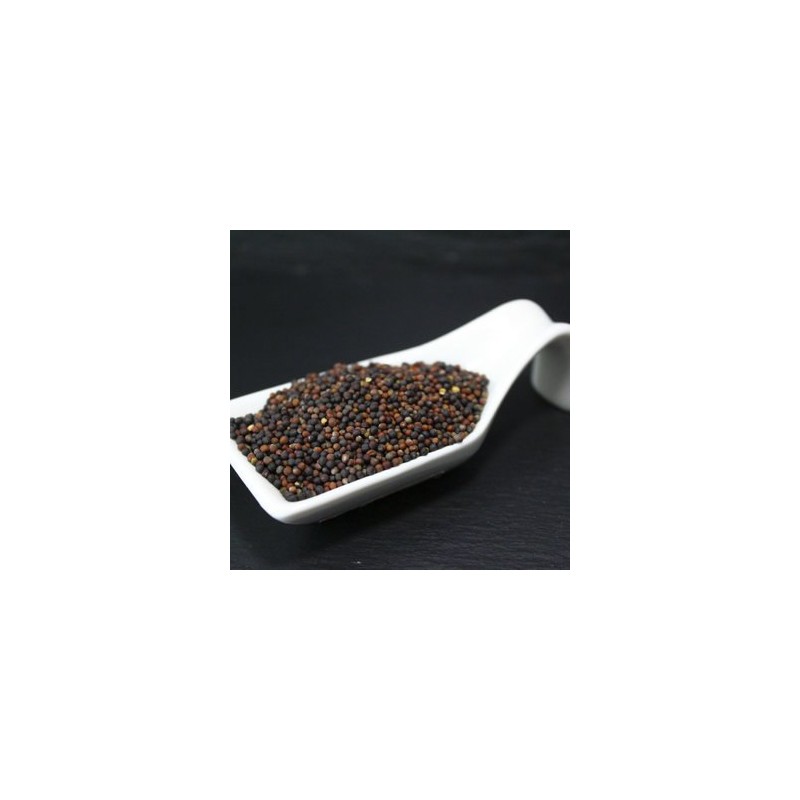
Roman Broccoli White Gold Seeds
New product
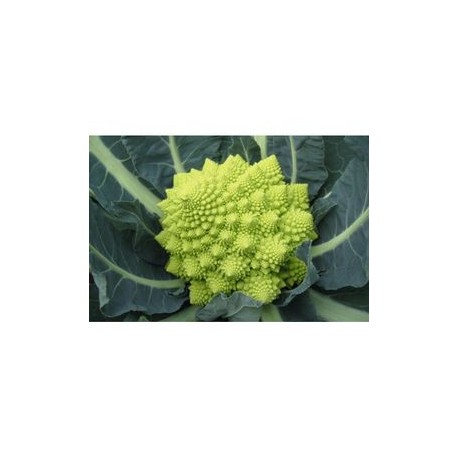
Roman broccoli White Gold is a hybrid, medium-early plant, capable of producing a large amount of florets. Once mature, the broccoli takes on the classic pyramidal shape and a bright green colour that fades over time.
100 Items
More info
- Roman broccoli White Gold seeds
- The Roman broccoli White Gold plant
- How to sow Roman broccoli White Gold
- How to grow Roman broccoli White Gold
- Tips for growing Roman broccoli White Gold
- Diseases and pests of Roman broccoli White Gold
- Properties of Roman broccoli White Gold
- Nutritional values of Roman broccoli White Gold (per 100 g)
Roman broccoli White Gold seeds
As mentioned, White Gold Roman broccoli is a highly productive hybrid plant with medium earliness. Roman broccoli, also called romanesco, is the typical Lazio variety of the large Brassica oleracea family, the same one that includes cabbage, savoy cabbage and Brussels sprouts. What is eaten from this plant is its characteristic inflorescence, harvested while still slightly immature, with a unique fractal shape that makes it one of the most recognizable and striking vegetables in the Italian garden.
The Roman broccoli White Gold plant
Its botanical name is Brassica oleracea var. italica, belonging to the Cruciferae family (Brassicaceae). As mentioned, the White Gold variety produces a vigorous, highly productive plant: once mature, the broccoli takes on the classic pyramidal shape with a surface made up of countless small conical florets arranged in a spiral, and displays a bright green colour that tends to lighten as it matures further.
Compared to cauliflower, Roman broccoli has a milder flavour and a slightly crunchier texture, appreciated by home cooks and Michelin-starred chefs alike for its versatility in the kitchen.
How to sow Roman broccoli White Gold
Sowing is generally done in seed trays between June and July for autumn-winter crops, burying the seeds about half a centimeter deep in soft, well-drained soil. Transplanting into open ground happens once the seedlings have developed 4-5 true leaves, keeping a spacing of about 50-60 centimeters between plants to ensure proper development of the inflorescence.
How to grow Roman broccoli White Gold
Roman broccoli prefers fertile, organically rich, well-drained soil, in a sunny or partially shaded position in warmer climates. Watering should be regular and consistent, avoiding waterlogging which can encourage root rot. Balanced feeding, with nitrogen in the early growth stages and potassium during inflorescence formation, helps the plant fully develop its characteristic head.
Harvest should take place while the inflorescence is still compact and tightly closed, before the individual flower buds start to become visible: if left to mature too long, the broccoli retains its properties but should be consumed quickly.
Tips for growing Roman broccoli White Gold
It is advisable to cut the central head by slicing through the base with a sharp knife: this often encourages the plant to produce additional, smaller side shoots, extending the harvest over time. It can be grown in pots only if the container is large enough, given the robust habit of the mature plant.
Diseases and pests of Roman broccoli White Gold
Like all Cruciferae, Roman broccoli can be attacked by cabbage white caterpillars and cutworms, green larvae effectively controlled with Bacillus thuringiensis treatments applied in the evening. Whitefly and aphids can also affect the crop: natural garlic or nettle macerates, applied regularly to the foliage, are effective against the latter.
Properties of Roman broccoli White Gold
Roman broccoli is a vegetable rich in beneficial properties: it boasts a high content of vitamin C, fiber and antioxidant compounds, along with a good supply of calcium and potassium. It is particularly suited to a balanced diet thanks to its low calorie content combined with a notable satiating effect, and has long been valued in Lazio cuisine for its versatility, equally good boiled or sauteed.
Nutritional values of Roman broccoli White Gold (per 100 g)
- Calories: 28 kcal
- Protein: 2.9 g
- Fat: 0.4 g
- Carbohydrates: 3.5 g
- Fiber: 2.5 g
- Vitamin C: 65 mg
- Potassium: 340 mg